Quick answer: Dry skin describes lower oil production; dehydrated skin describes insufficient water in the outer skin layer. They can occur together, and observable patterns are more useful than one online test.
Understand the concern before choosing a product
Dryness is often persistent and may affect several body areas. Dehydration can be temporary and appear even on oily skin, especially after over-cleansing, dry weather or an overloaded active routine. Neither label replaces medical assessment.
A practical approach
Understand the difference between water content and oil production
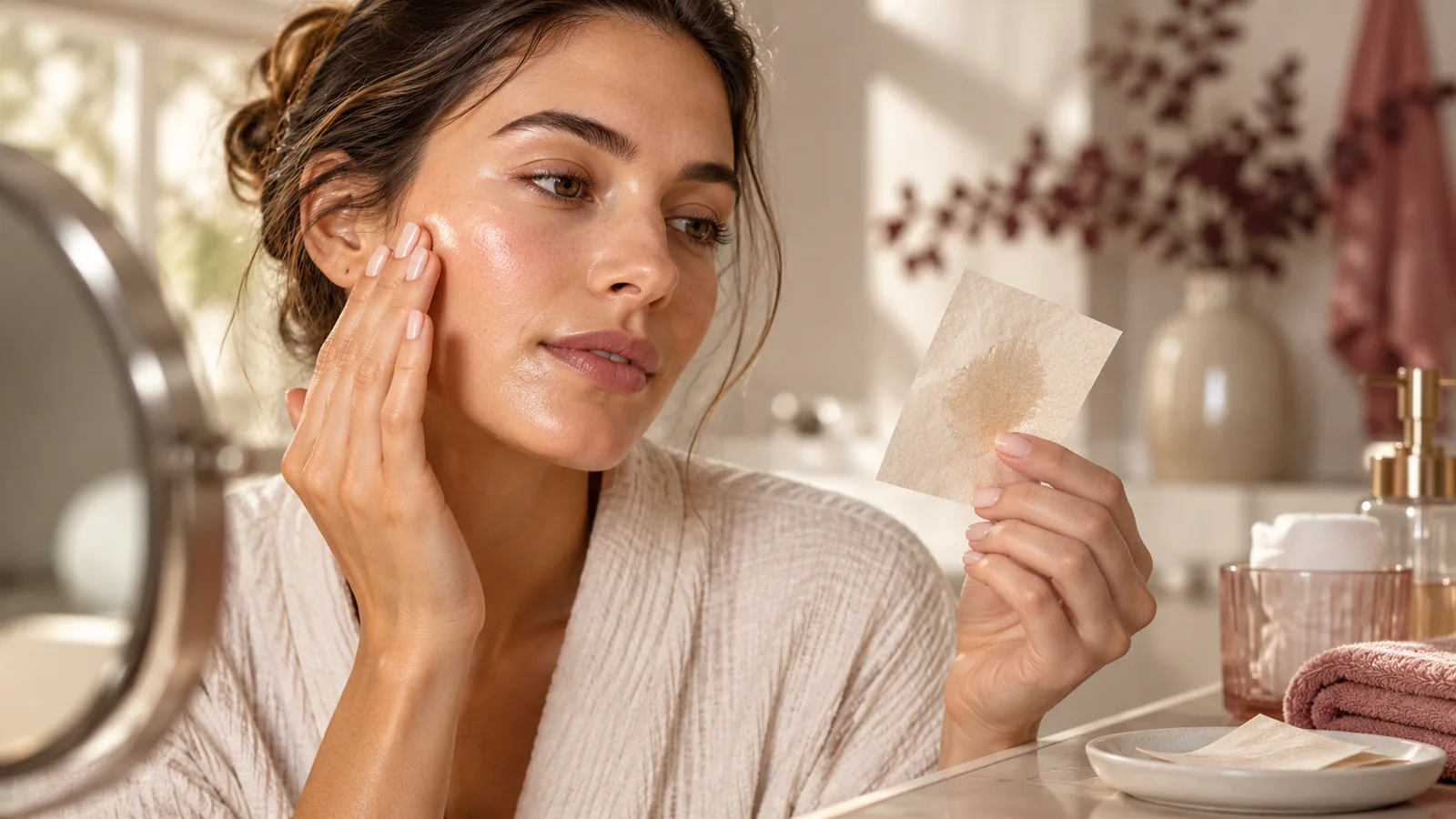
Oil helps slow water loss but is not water itself. Dry skin may feel rough and need richer emollients; dehydrated oily skin may feel tight while still becoming shiny. The same person can move between patterns with climate and routine changes.
Look at how skin behaves across the day

Note comfort after cleansing, shine by midday, flaking location and response to moisturizer. A one-time pinch test is not a diagnosis. Repeated observations across normal days are more informative than examining skin immediately after a hot shower.
Review cleansing, climate and active-product habits

Frequent foaming washes, hot water, indoor heating, low humidity and simultaneous acids or retinoids can contribute to tightness. Change one likely factor first. If the whole routine feels irritating, use the simplified barrier routine.
Add hydration and moisture in compatible layers
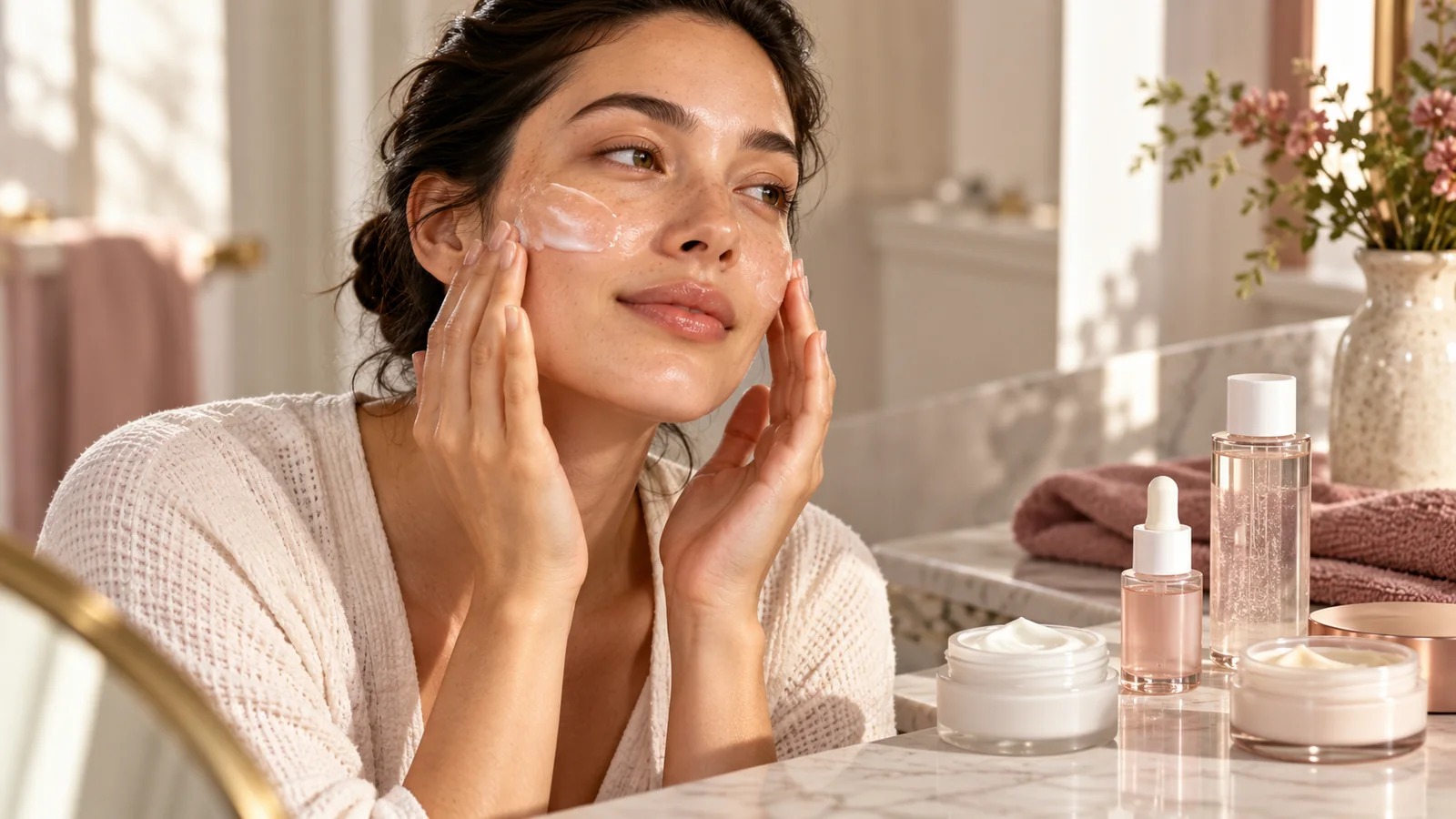
Apply a water-based hydrating layer to damp skin if desired, then moisturizer to reduce water loss. Dry skin may prefer a cream with lipids; oily but dehydrated skin may prefer a lighter lotion. Product texture should support consistency.
Reduce steps that repeatedly leave skin uncomfortable

A product that stings every time or leaves hours of tightness is not made appropriate by a popular ingredient. Pause it, review directions and avoid compensating with many new serums at once.
Ask a qualified professional about persistent cracking, rash or inflammation
Flaking around the nose, painful cracks, intense itch or spreading redness can have causes beyond ordinary dryness. Seek assessment rather than repeatedly exfoliating what appears to be “dead skin.”
Routine priorities by pattern
| Pattern | Useful priority |
|---|---|
| Persistent low oil and roughness | Gentle cleansing plus richer moisturizer |
| Oil with tightness | Reduce stripping steps; light hydration and lotion |
| Temporary weather-related discomfort | Adjust cleanser and moisturizer to climate |
| Inflammation or cracking | Professional assessment |
For lipid-focused label reading, see the ceramide moisturizer guide.
Frequently asked questions
Can oily skin be dehydrated?
Yes. Surface oil and water content are different, so shine can coexist with tightness.
Does drinking more water fix dehydrated skin?
General hydration supports health, but skincare-related dehydration is not reliably solved by drinking excessive water.
Should flaky skin always be exfoliated?
No. Flaking can signal irritation. Restore comfort and identify the cause before adding exfoliation.
The bottom line
Use behavior over time to guide the routine. Support water with gentle care and support low oil with suitable emollients, while treating persistent inflammation as more than a cosmetic label.