Quick answer: Humidity challenges makeup through moisture, heat and oil. Lasting wear comes from fewer compatible layers, strategic shine control and careful touch-ups—not from coating the entire face in powder.
Start with the surface, finish and setting you actually have
Separate humidity from sweat. Humid air slows evaporation, while sweat introduces water and salt at the skin surface. Makeup must flex across both without becoming a thick paste. No routine remains perfectly unchanged, so plan for graceful wear and repair.
Test the complete combination before an important day. A sunscreen, primer and foundation may perform well individually yet pill or separate when stacked.
A practical method
Use a lightweight morning routine and allow each layer to settle
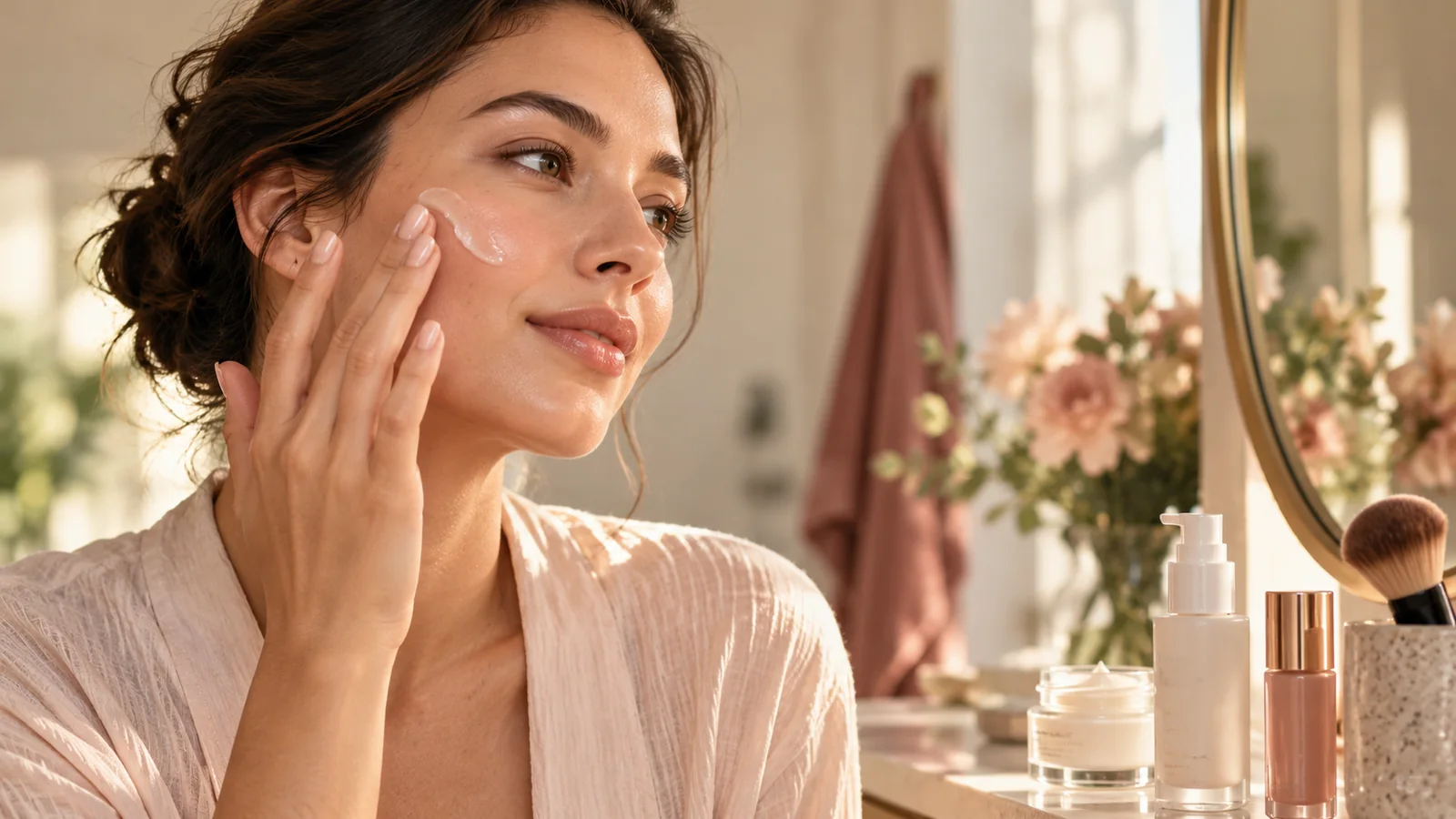
Choose skincare you already know works, apply sunscreen evenly as directed, and let the surface settle before makeup. Avoid adding an unfamiliar rich cream for insurance; extra emollient material can increase movement once the skin becomes warm.
Apply gripping products only where makeup usually breaks down
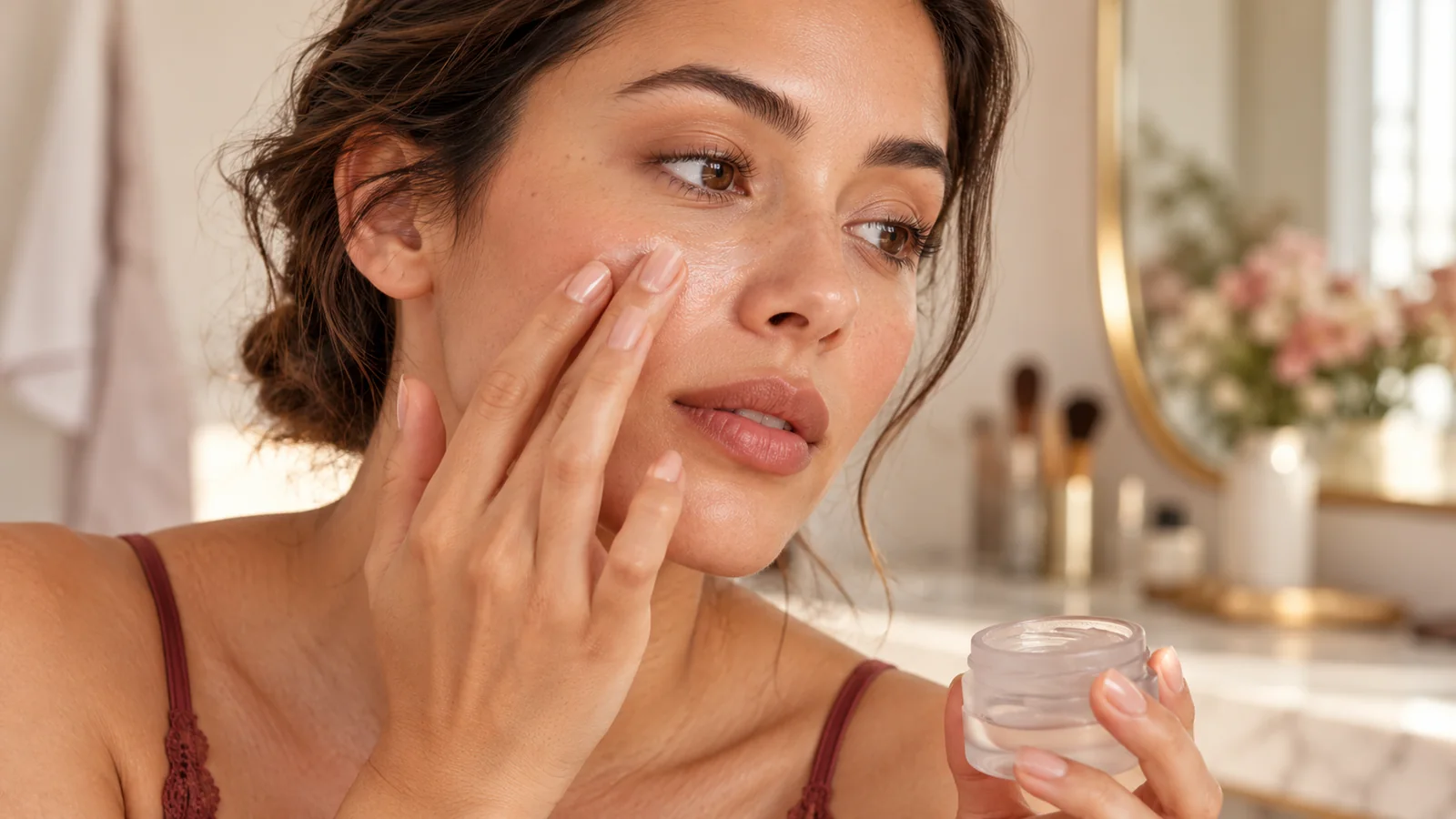
Use gripping primer around the nose, chin or other areas where base disappears first. A smoothing or hydrating product may suit the cheeks instead. Thin regional placement avoids creating one tacky film over the whole face.
Choose flexible base coverage in thin sections
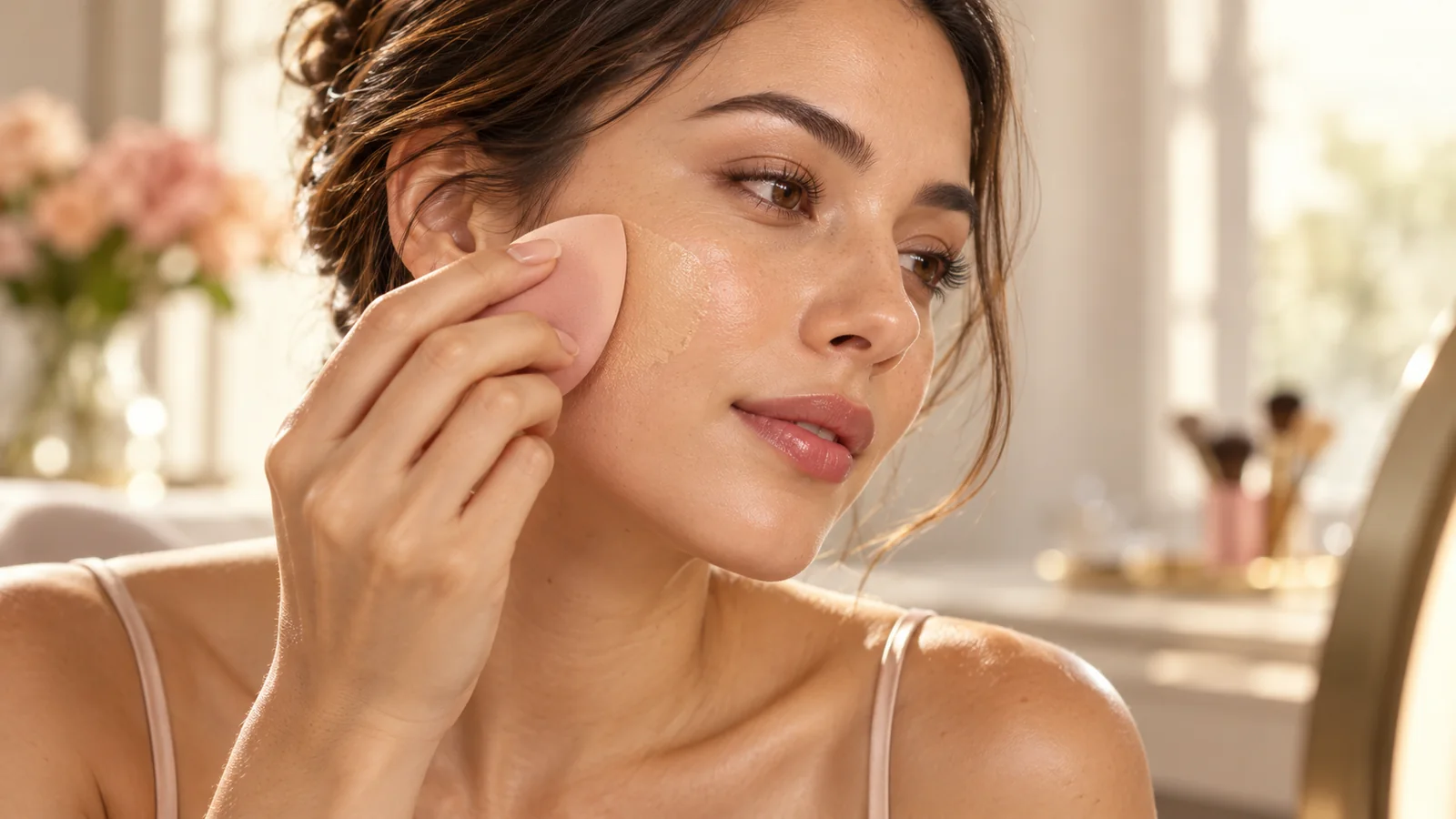
Use a skin tint or foundation that remains comfortable rather than the thickest formula available. Press a small amount into one zone, blend the edge, and move on. Compare coverage categories in the complexion formula guide.
Control shine strategically rather than mattifying the entire face
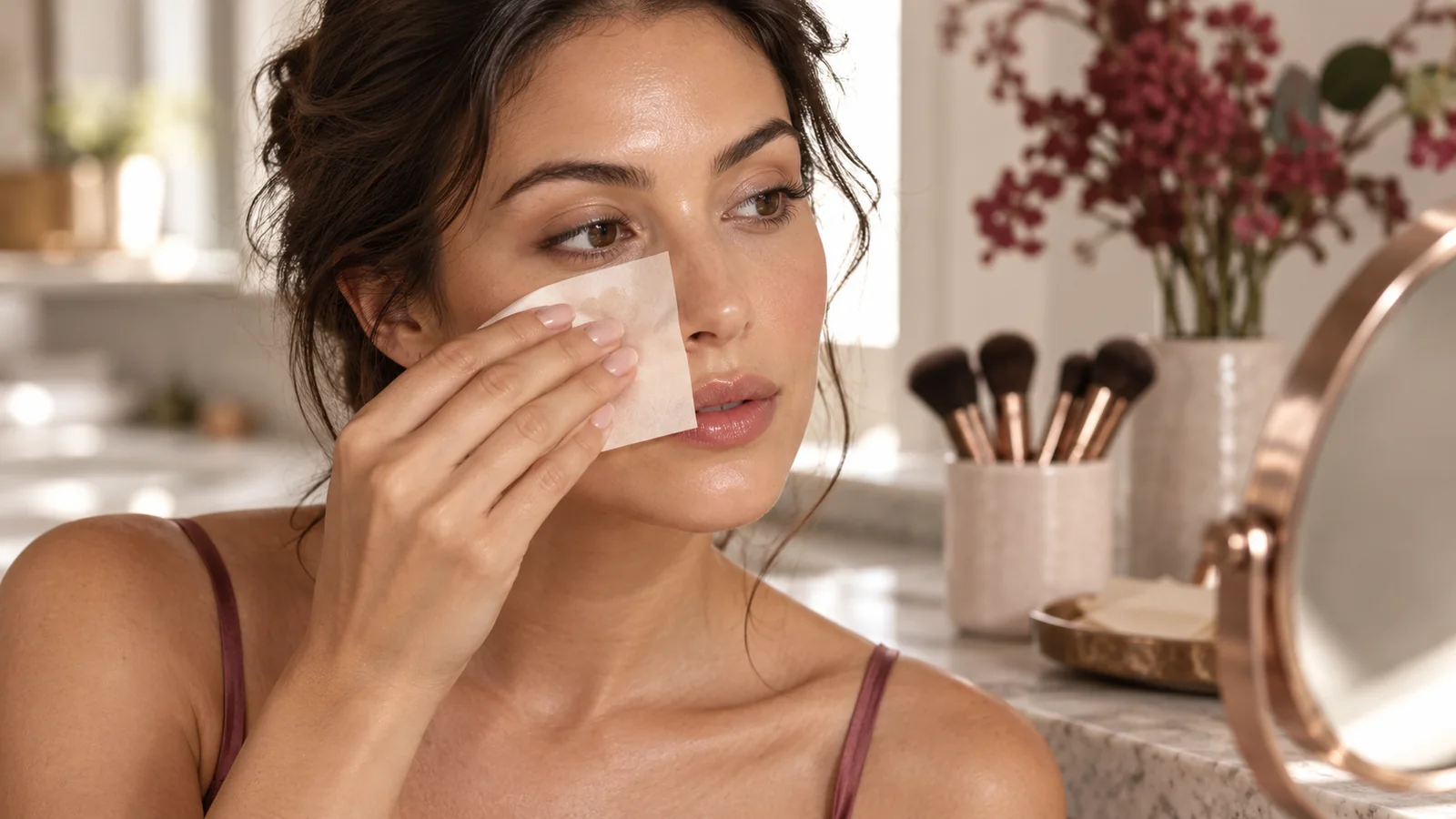
Press a small amount of powder into the center of the forehead, sides of the nose and chin. Leave naturally drier areas flexible. If shine appears later, blot moisture first; adding powder directly onto a damp surface creates uneven buildup.
Use long-wear color products on high-movement areas
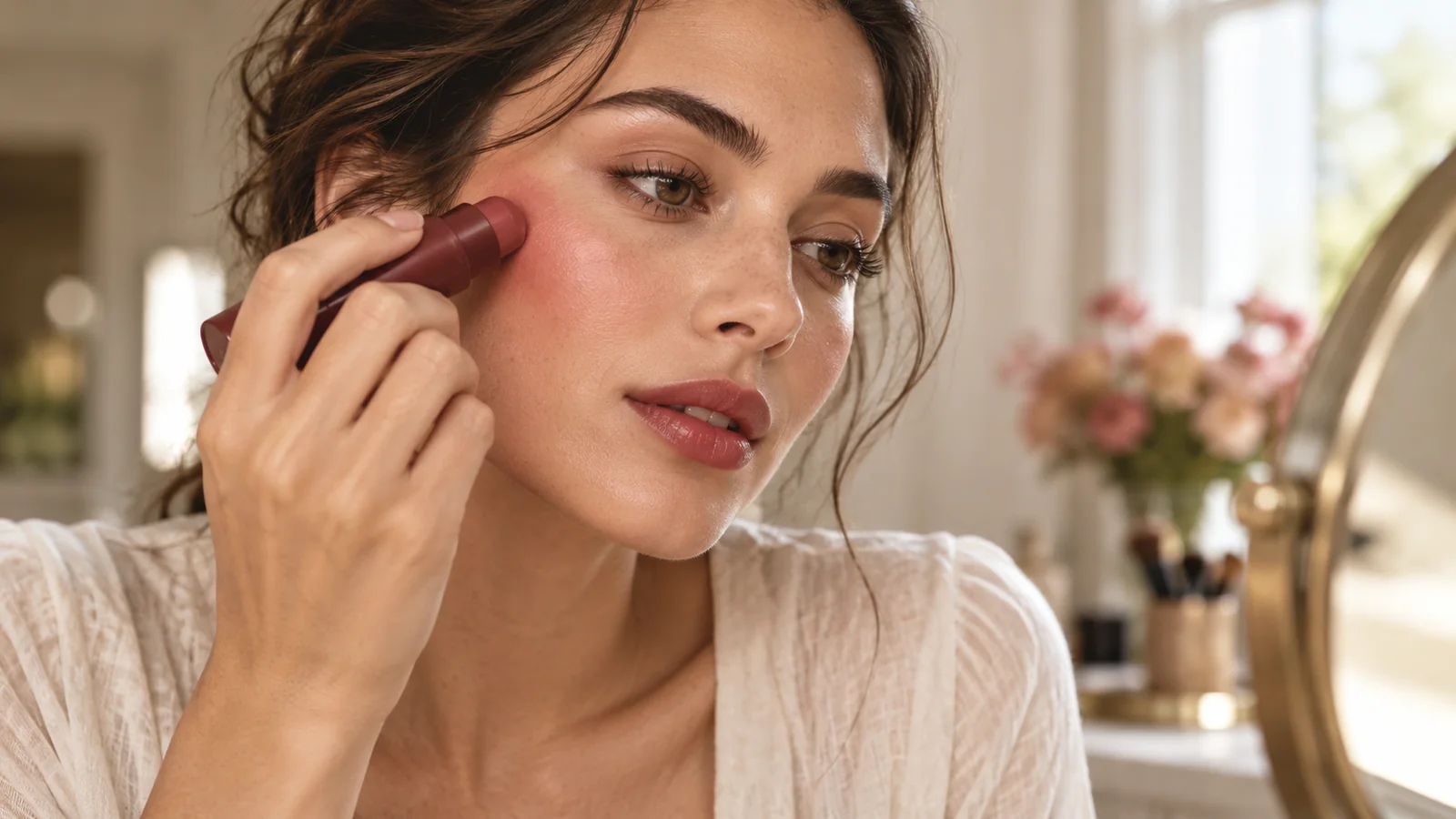
A stain, set pencil or thin cream-to-powder layer can resist fading better than a thick glossy coating. Waterproof mascara is useful when water exposure matters, while tubing mascara can help with ordinary transfer; choose using the mascara comparison.
Pack a minimal touch-up kit that removes moisture before adding product
Carry blotting paper or tissue, a clean small sponge, pressed powder and one lip product. Press away sweat—do not wipe—then smooth separated edges before replacing color. A repair kit should correct the likely failure, not recreate the entire routine.
A humidity-friendly order of operations
- Apply concise skincare and sufficient sunscreen.
- Let layers settle while styling hair or getting dressed.
- Prime only breakdown zones.
- Use thin complexion coverage and targeted concealer.
- Set selectively, then finish eyes, cheeks and lips.
- Allow setting spray to dry without fanning or touching the face.
What usually makes humid-weather makeup heavier
- Layering multiple primers with overlapping jobs.
- Baking powder across already dry areas.
- Applying fresh foundation over sweat during a touch-up.
- Using a mist as a substitute for blotting and smoothing.
Frequently asked questions
Should I skip moisturizer in humid weather?
Not automatically. Use an amount and texture that keeps your skin comfortable, then allow it to settle before sunscreen and makeup.
Does setting spray make makeup waterproof?
Most do not. Read the exact claim; a setting spray may improve cohesion or wear without making every layer waterproof.
How do I touch up around the nose?
Blot, press separated product smooth with a clean sponge, then add a tiny amount of concealer or powder only if needed.
The bottom line
For humid conditions, edit the routine before strengthening it. Thin compatible layers and moisture-first touch-ups usually look fresher than an all-over matte barrier.