Quick answer: Skin tint offers sheer tone evening; tinted moisturizer combines light color with a moisturizer-style format; foundation generally offers the broadest coverage range. Product names overlap, so judge the actual formula and finish.
Define the result before choosing the method
There is no regulated universal coverage threshold separating these categories. A high-coverage tint may outperform a sheer foundation, and a tinted moisturizer may still require normal skincare underneath.
A practical approach
Start with the amount of visible coverage you want
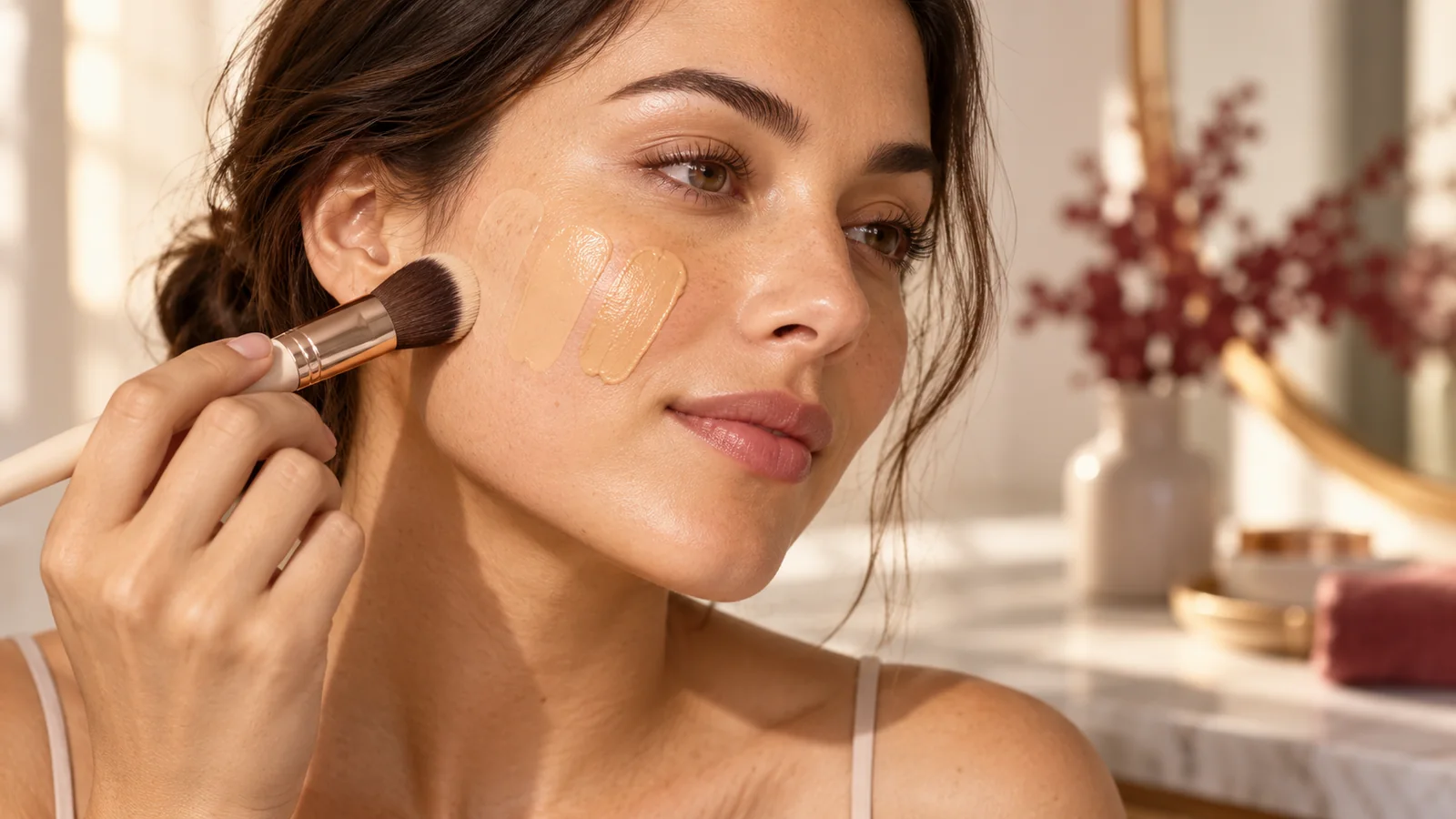
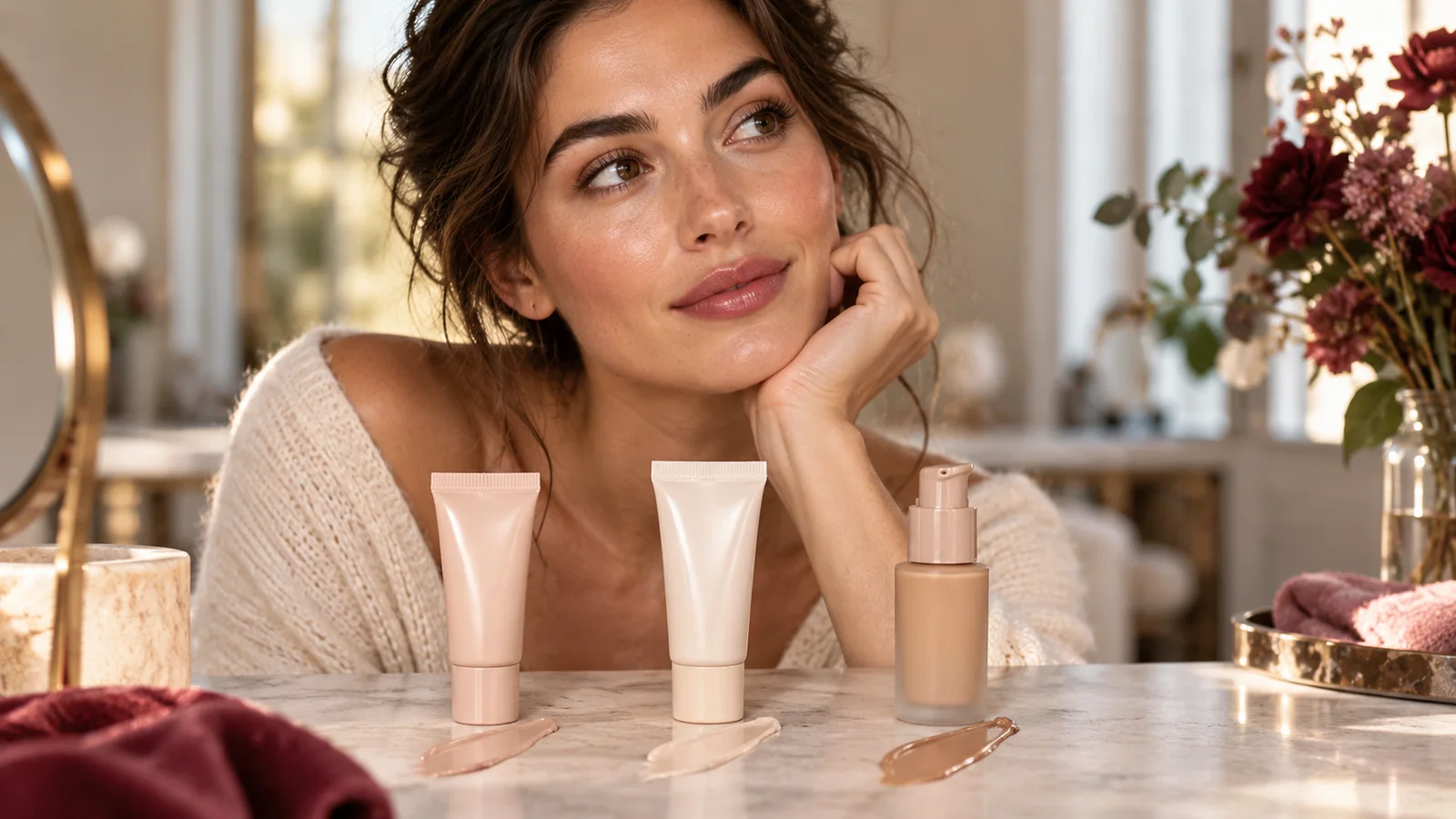
Choose a tint when freckles and natural variation should remain obvious, tinted moisturizer for a one-step-feeling light base, and foundation when adjustable medium or full coverage is central. Use concealer separately if only small areas need more correction.
Compare skincare positioning with actual wear expectations
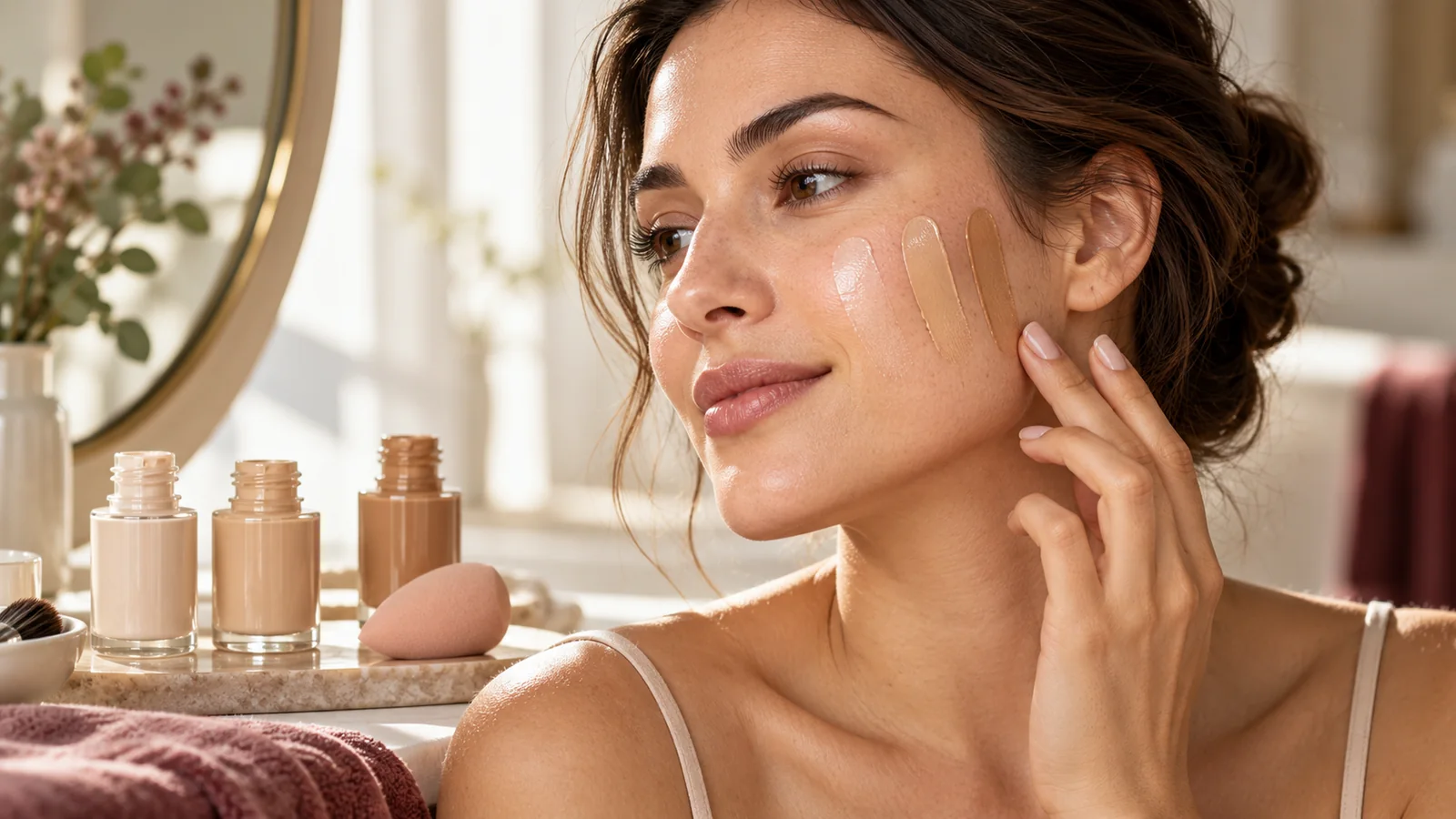
Words such as hydrating or serum do not replace moisturizer for everyone. Read ingredients and directions, then judge comfort through the day. A makeup formula containing skincare ingredients remains makeup unless its label states another tested function.
Consider finish and flexibility across the day
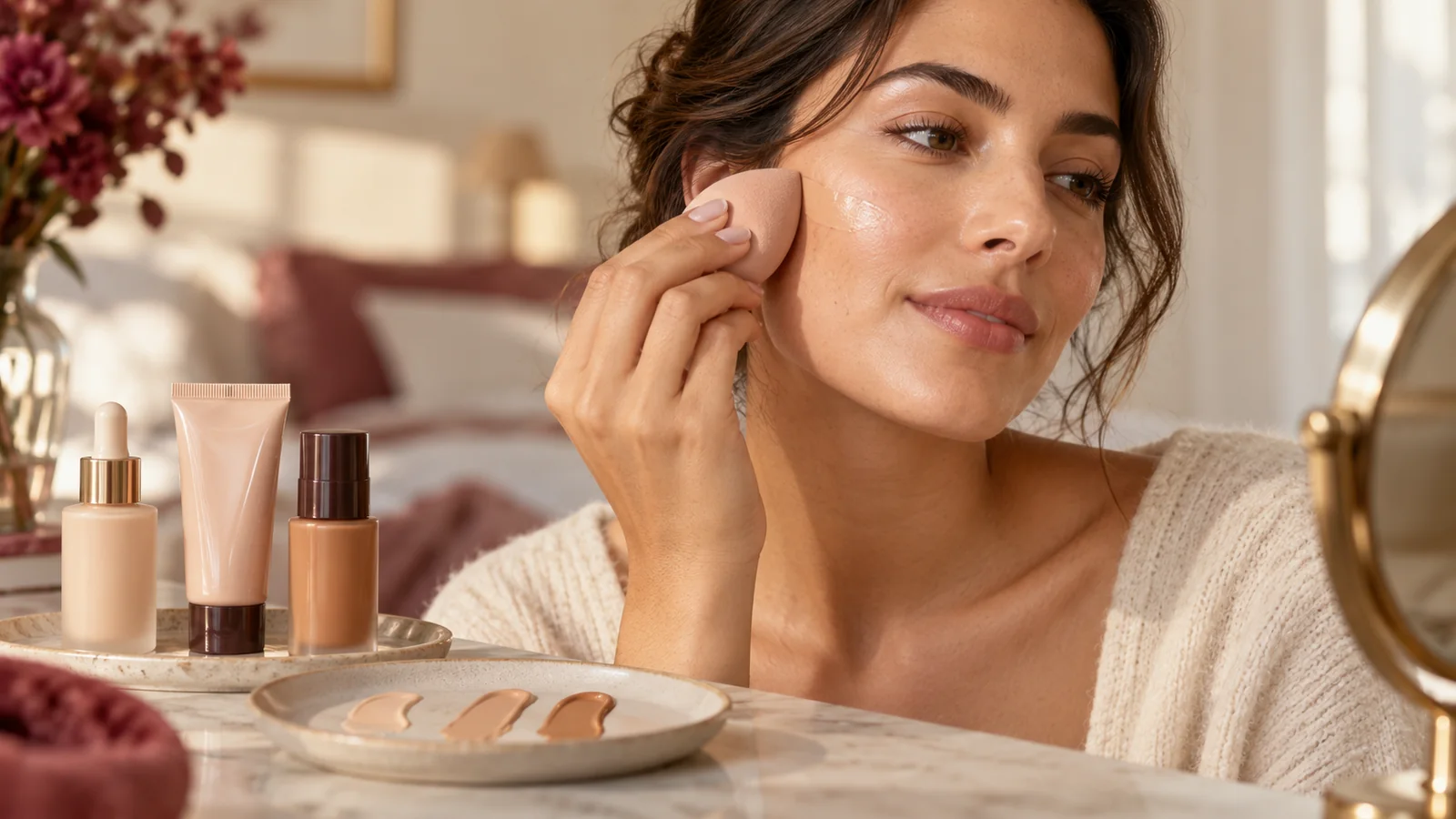
Tints often remain flexible and luminous; tinted moisturizers may feel emollient; foundations range from dewy to matte and long-wearing. Climate, oil and powder placement can change the result more than the category name.
Check shade range and undertone before formula claims
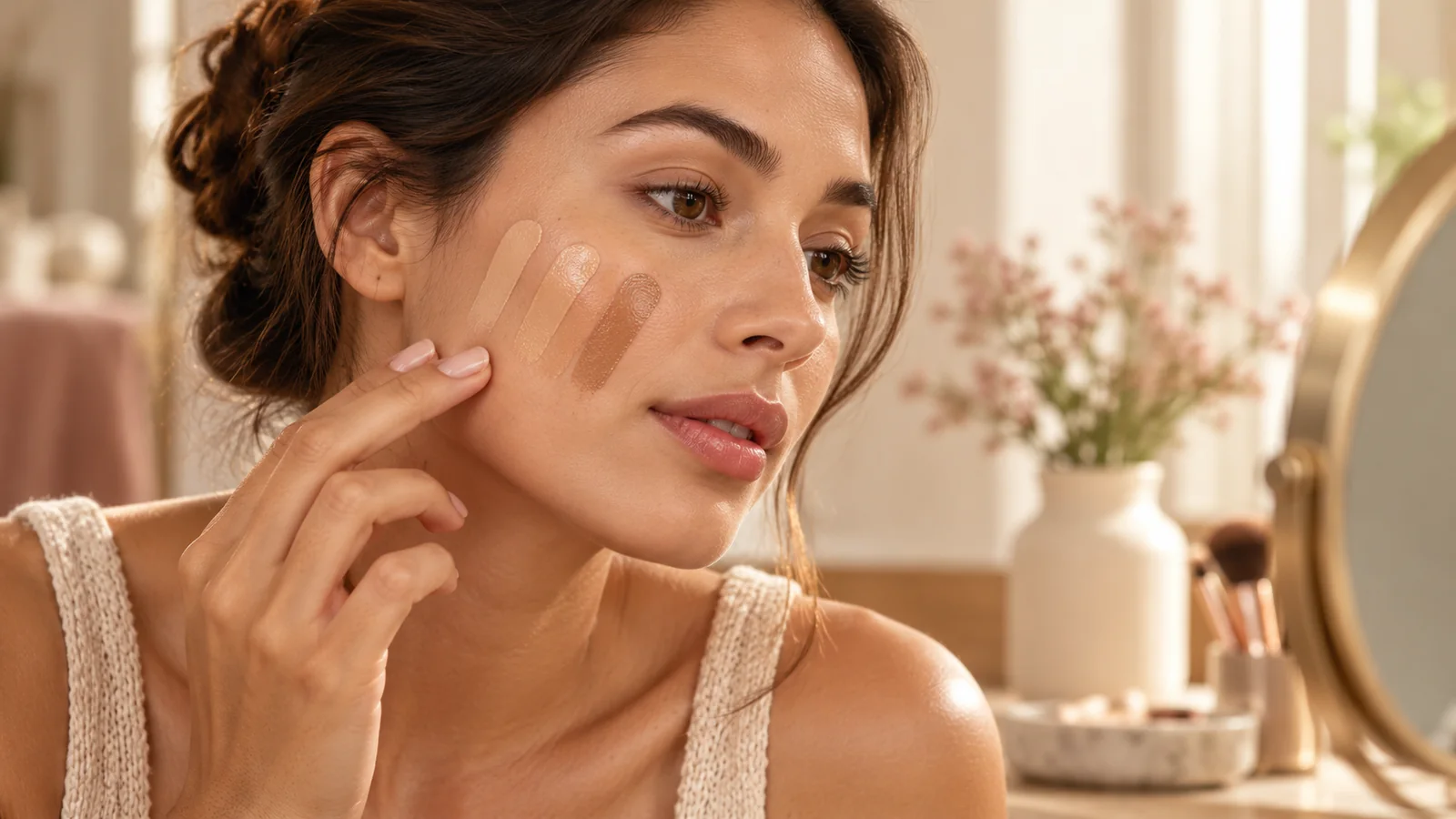
Sheer coverage is forgiving but not invisible when the undertone is wrong. Swatch along the jaw and let it settle. The undertone guide explains why multiple comparisons are better than one vein test.
Test compatibility with sunscreen and primer
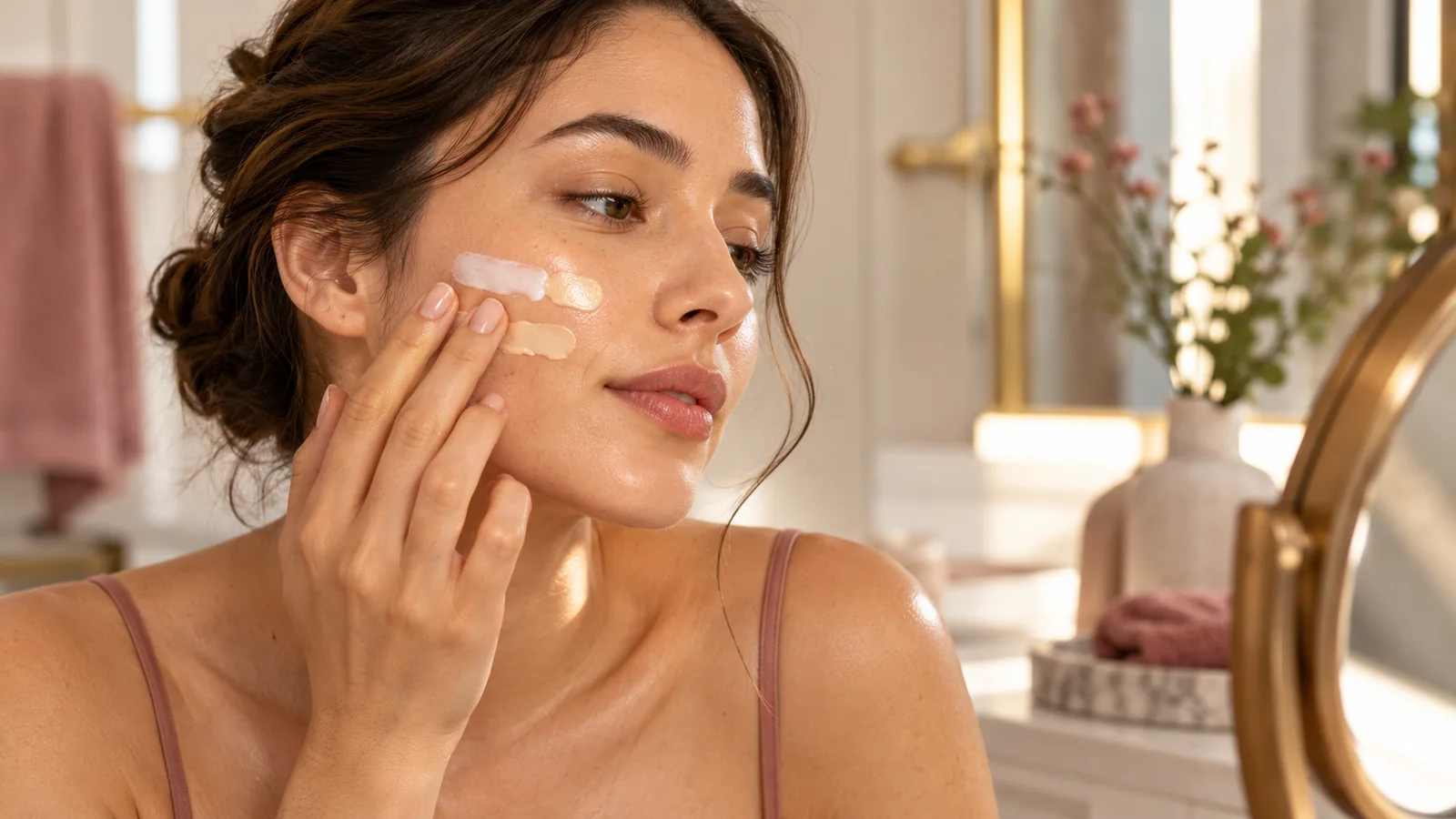
Apply the required sunscreen amount first, allow it to settle and test base on one section. If layers roll, reduce unnecessary products and use the troubleshooting steps in the makeup pilling guide.
Choose the lightest category that reliably meets your goal
If a tint plus spot concealer produces the finish you want, fuller foundation adds no value. If widespread discoloration requires repeated tint layers, one thin foundation layer may look lighter overall.
Category comparison
| Category | Typical role | Check before buying |
|---|---|---|
| Skin tint | Sheer tone evening | Shade, flexibility and finish |
| Tinted moisturizer | Light color in an emollient format | Actual moisture and sunscreen needs |
| Foundation | Wider coverage and finish range | Buildability and wear |
Always read the exact label; the product name alone cannot guarantee coverage.
Frequently asked questions
Is tinted moisturizer enough moisturizer?
Sometimes, but dry skin may still need separate moisturizer. Judge comfort and follow product directions.
Does a skin tint look more natural than foundation?
Not automatically. A thin, well-matched foundation can look more natural than several layers of tint.
Can I mix foundation with moisturizer?
Mixing changes the tested formula and may affect wear or SPF. A purpose-made tint offers more predictable performance.
The bottom line
Begin with coverage, then evaluate finish, shade and compatibility. The best category is the one that reaches the goal in the fewest thin layers.