
Quick answer: A home patch test is a limited screening step: apply one new product to a small area as directed, repeat for the suggested period and observe immediate and delayed reactions before broader use.
Begin with the actual purpose
Patch testing cannot guarantee that the face will tolerate a product and cannot diagnose allergy. Formal allergy patch testing is a medical procedure performed by qualified professionals and is different from a cautious home trial.
A practical method
Read the ingredient list and usage warnings first
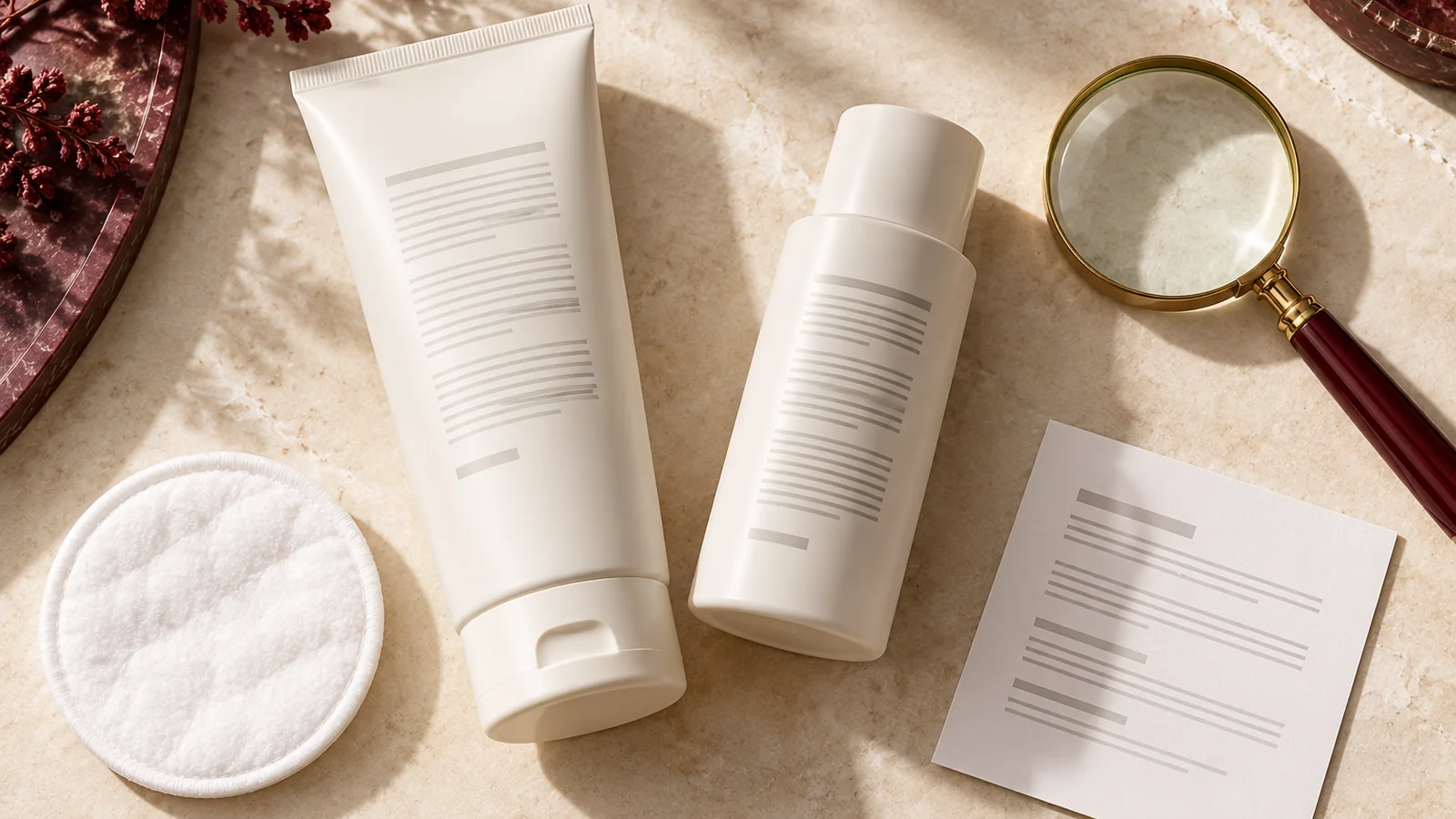
Confirm application area, frequency, rinse instructions and exclusions. Do not home-test a product on skin when the label warns against it, and do not test known allergens simply to see whether a reaction still occurs.
Choose a small area that can be monitored
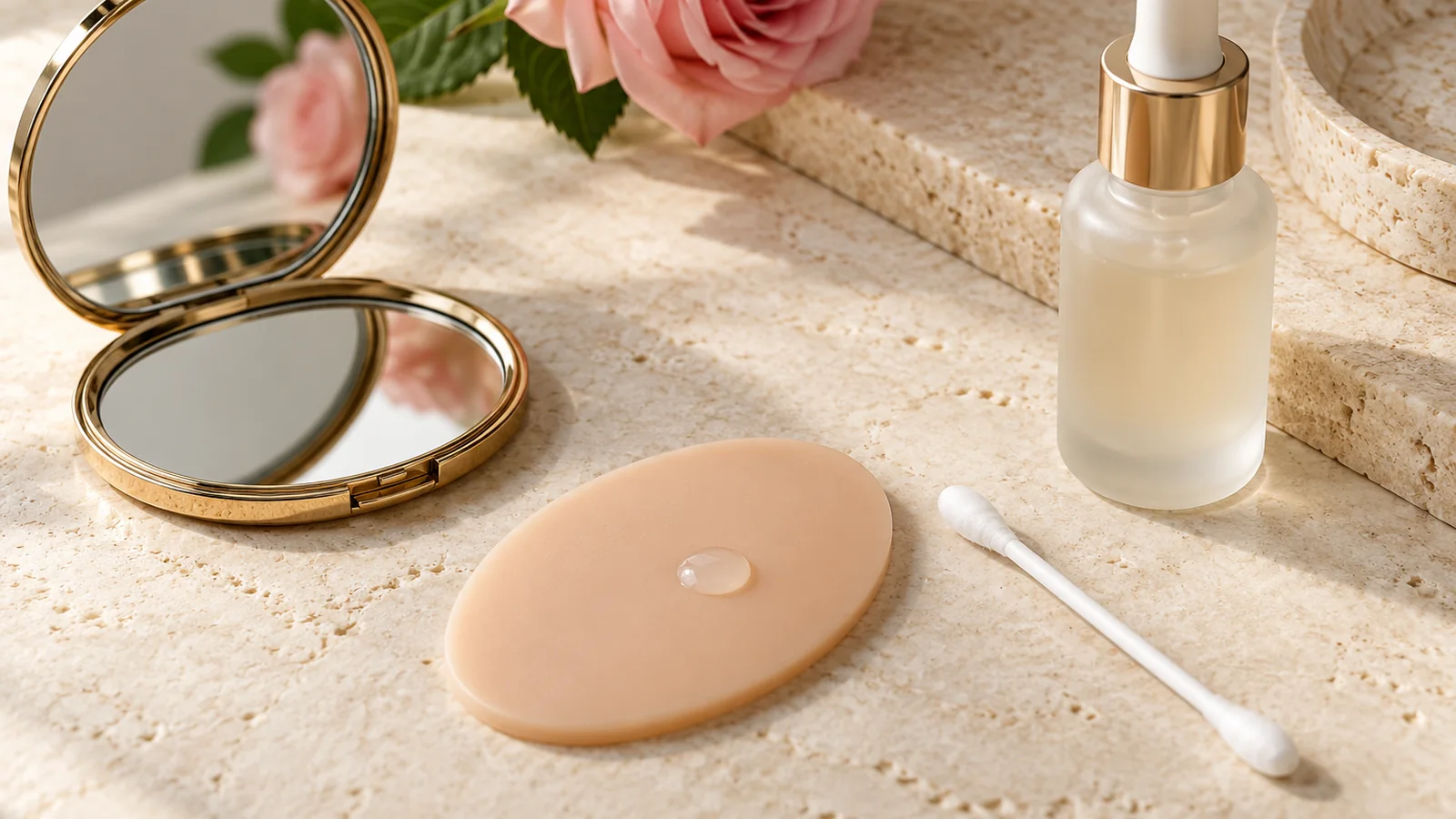
Use the inner forearm, behind the ear or another location recommended by the brand. The site should be intact, not freshly shaved, sunburned or already irritated. Keep the test area consistent and easy to inspect.
Apply the product consistently with its intended use

A rinse-off cleanser should be rinsed; a leave-on serum should remain only as directed. Use a small normal amount rather than an exaggerated dose. Occluding the test beneath a bandage can intensify exposure and should not be improvised.
Observe immediate and delayed reactions

Look for burning, swelling, hives, persistent itch, blistering or spreading redness. Some reactions appear after repeated applications, so follow the brand’s patch-test period rather than judging only the first hour.
Introduce only one new facial product at a time
After a comfortable patch test, add the product to a small facial area or low frequency if appropriate. Keep the rest of the routine stable. The barrier-support guide explains how to simplify if irritation develops.
Stop use and seek medical help for significant swelling, pain or breathing symptoms
Wash off the product and stop using it after a concerning reaction. Breathing difficulty, facial or throat swelling and severe symptoms require urgent medical attention. Persistent dermatitis needs professional assessment.
Home screening versus medical patch testing
| Home product trial | Medical patch testing |
|---|---|
| Screens one finished product informally | Evaluates selected allergens under supervision |
| Cannot diagnose allergy | Interpreted by a clinician |
| Uses product as directed | Uses standardized materials and timing |
When testing an active such as retinol, use the cautious introduction principles in the beginner retinol guide.
Frequently asked questions
How many days should a patch test last?
Follow the product or brand directions. Several repeated applications may reveal delayed irritation that one short test misses.
Can a negative patch test guarantee no reaction?
No. Facial skin, larger-area exposure and combinations with other products can behave differently.
Should I patch test sunscreen?
A small trial can screen comfort, but sunscreen must still be tested for even application and used as directed across exposed skin.
The bottom line
Patch testing reduces uncertainty; it does not certify safety. Use a small intact area, reproduce intended use, change one product at a time and act promptly on significant symptoms.