Quick answer: Sunscreen sticks are portable and useful for controlled reapplication, but an even protective film requires multiple deliberate passes and careful coverage around contours. Convenience does not guarantee sufficient application.
Begin with the actual purpose
A solid stick can reduce spills and simplify small-area use. It may be less reliable where facial hair, hairlines, curves or makeup make full contact difficult. Always follow the exact product directions.
A practical method
Understand the practical strengths of a solid format
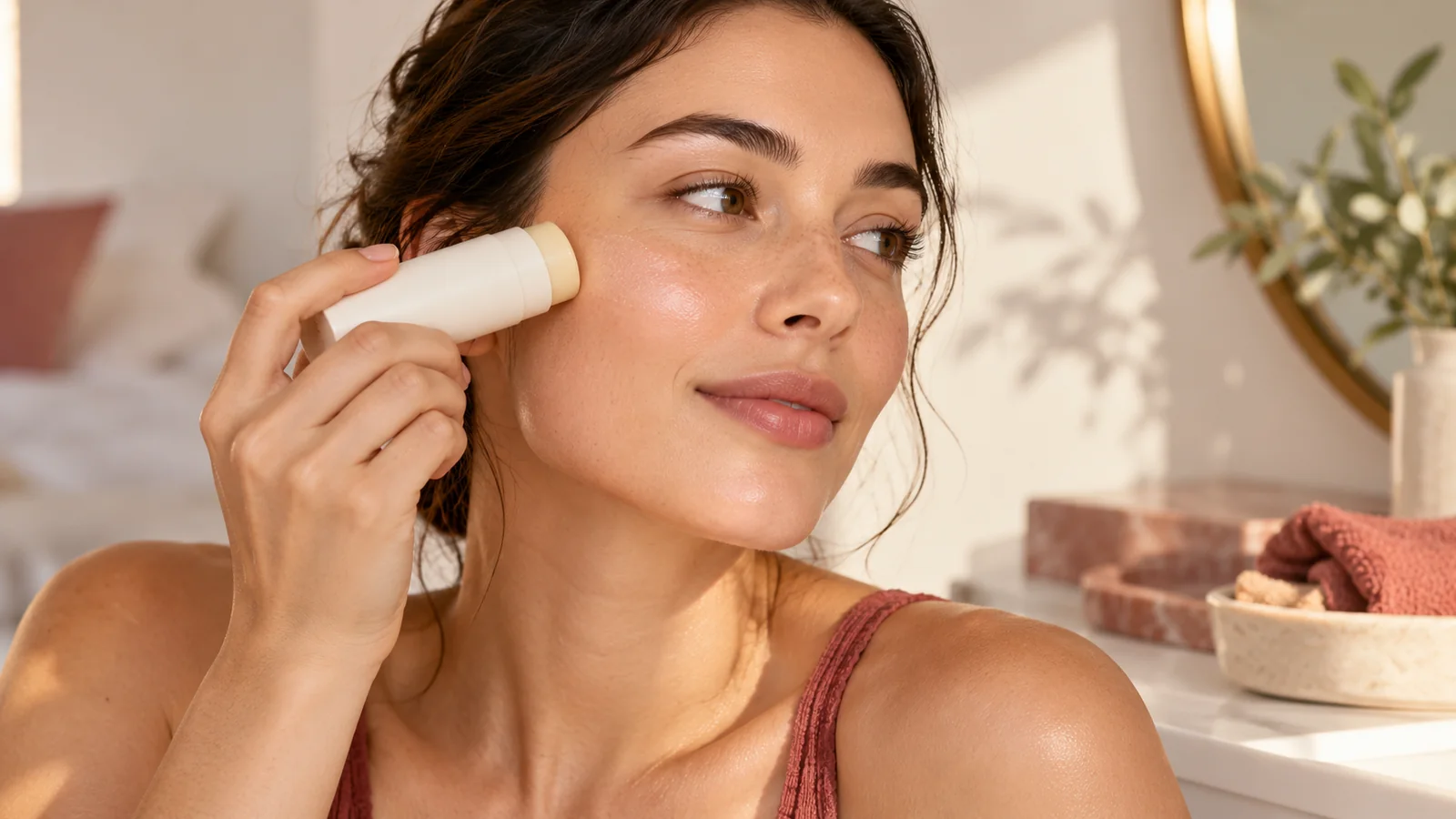
Sticks travel well, allow direct placement and can be convenient on ears, nose or small exposed areas. They are not automatically cleaner: the surface contacts skin repeatedly and still needs sensible handling and storage.
Read directions and water-resistance information
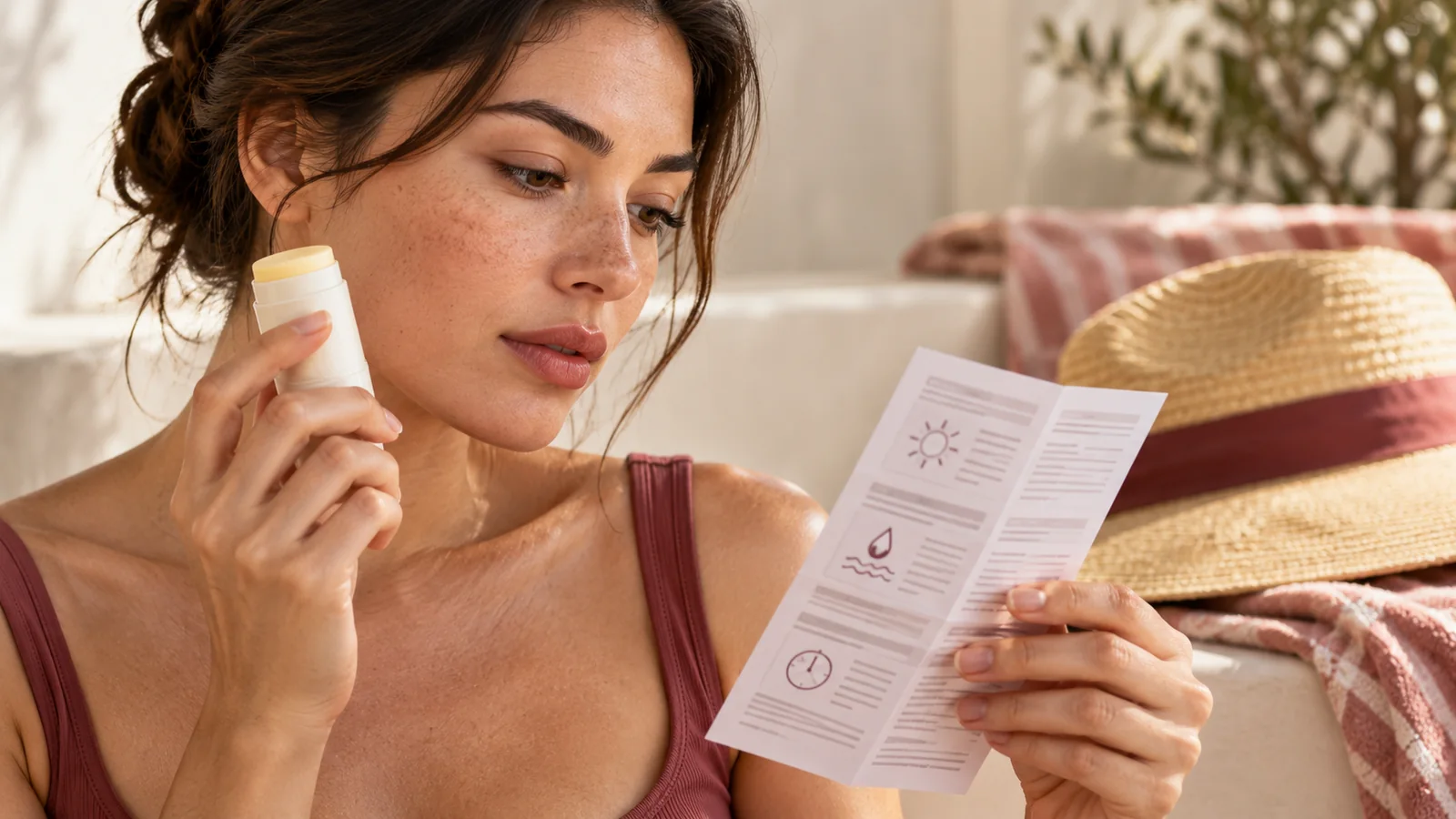
Check broad-spectrum labeling, SPF, application instructions and the tested water-resistance period. A stick intended for face and body may still require different numbers of passes by area. Do not invent a universal swipe count.
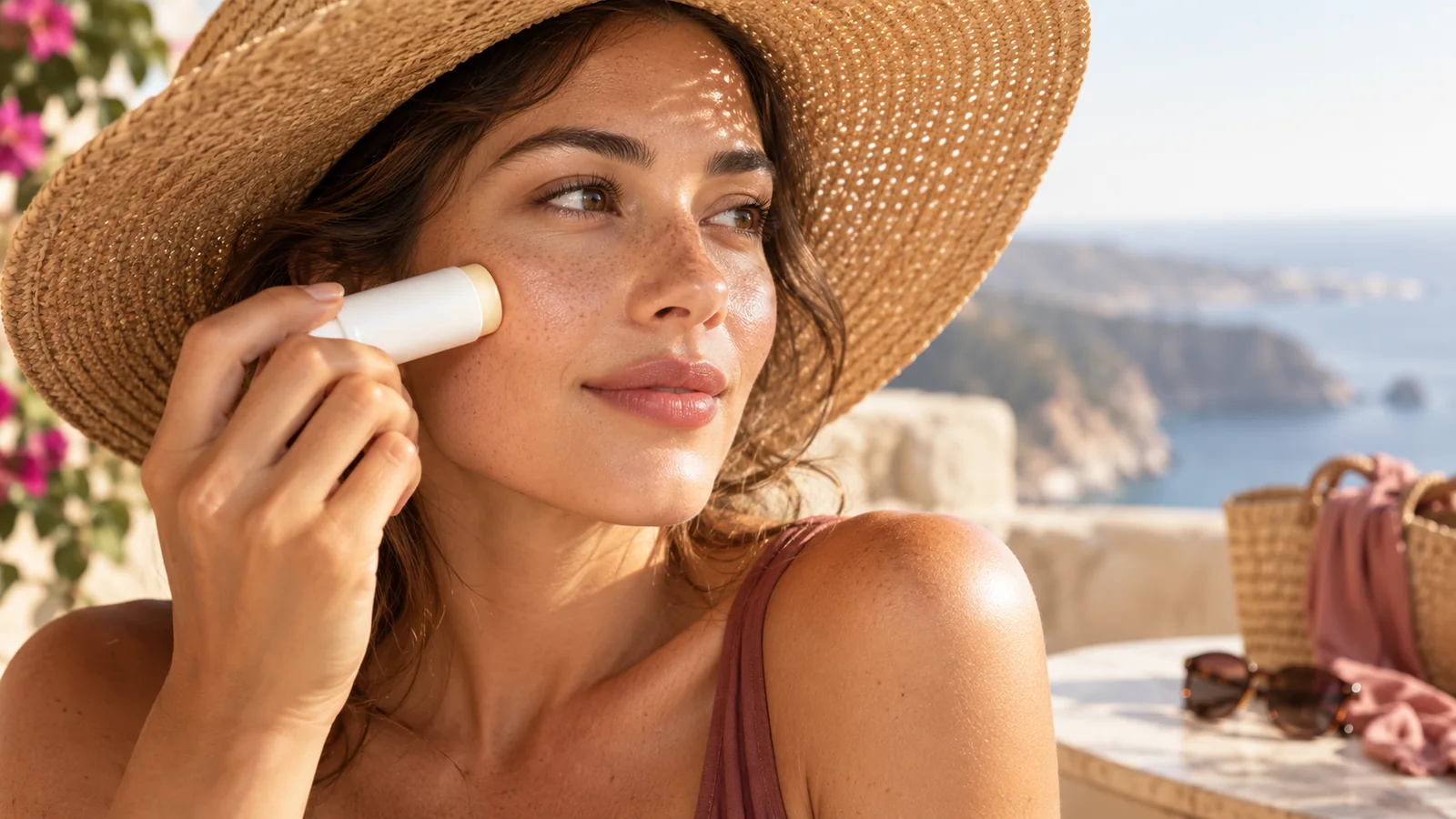
Apply multiple deliberate passes to exposed areas
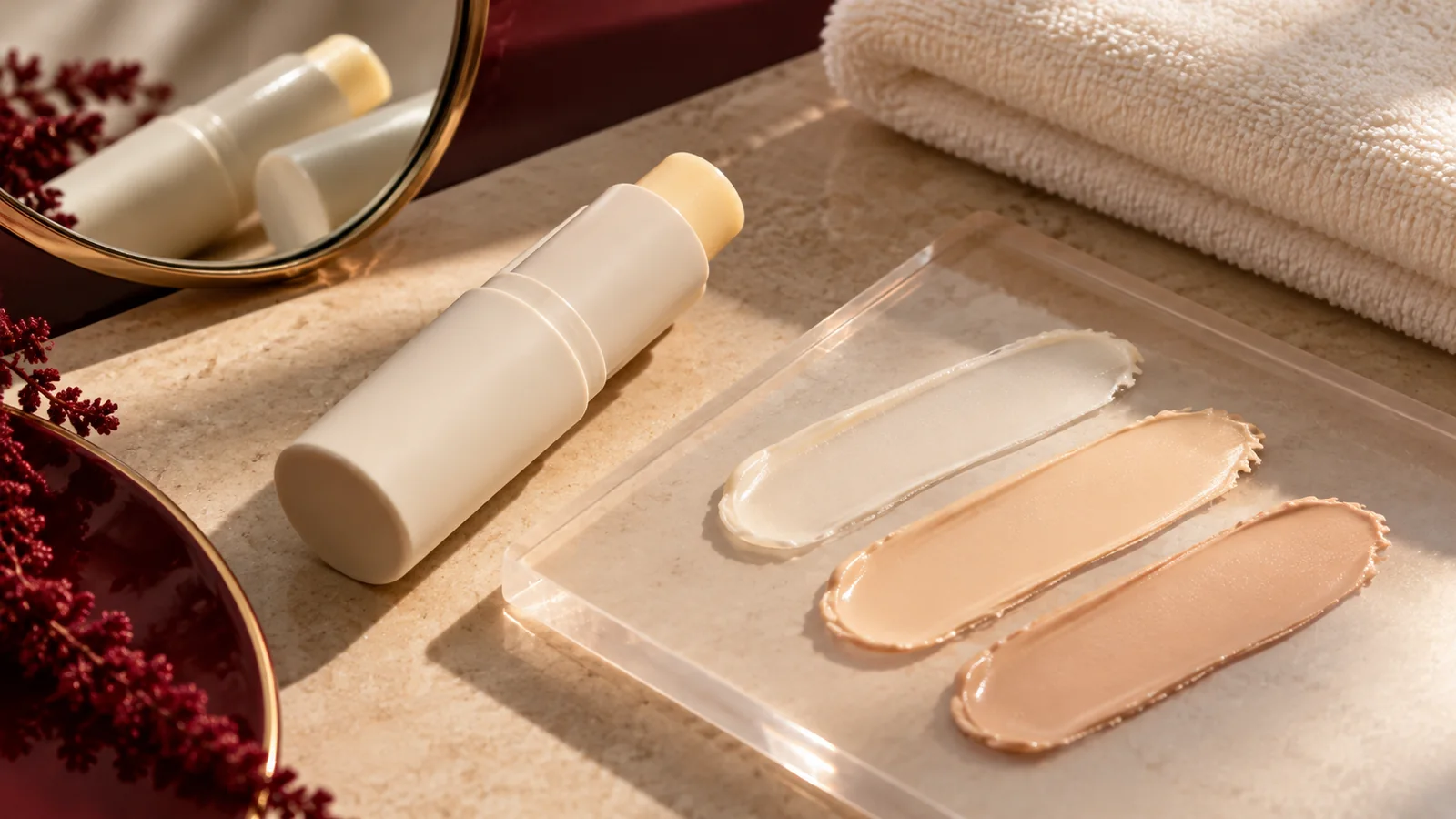
Move slowly with overlapping strokes, then use clean fingers if the label allows to even the film. Fast single swipes leave gaps. For a first morning layer, lotion may be easier to distribute across the entire face and neck.
Blend around contours, hairlines and facial hair
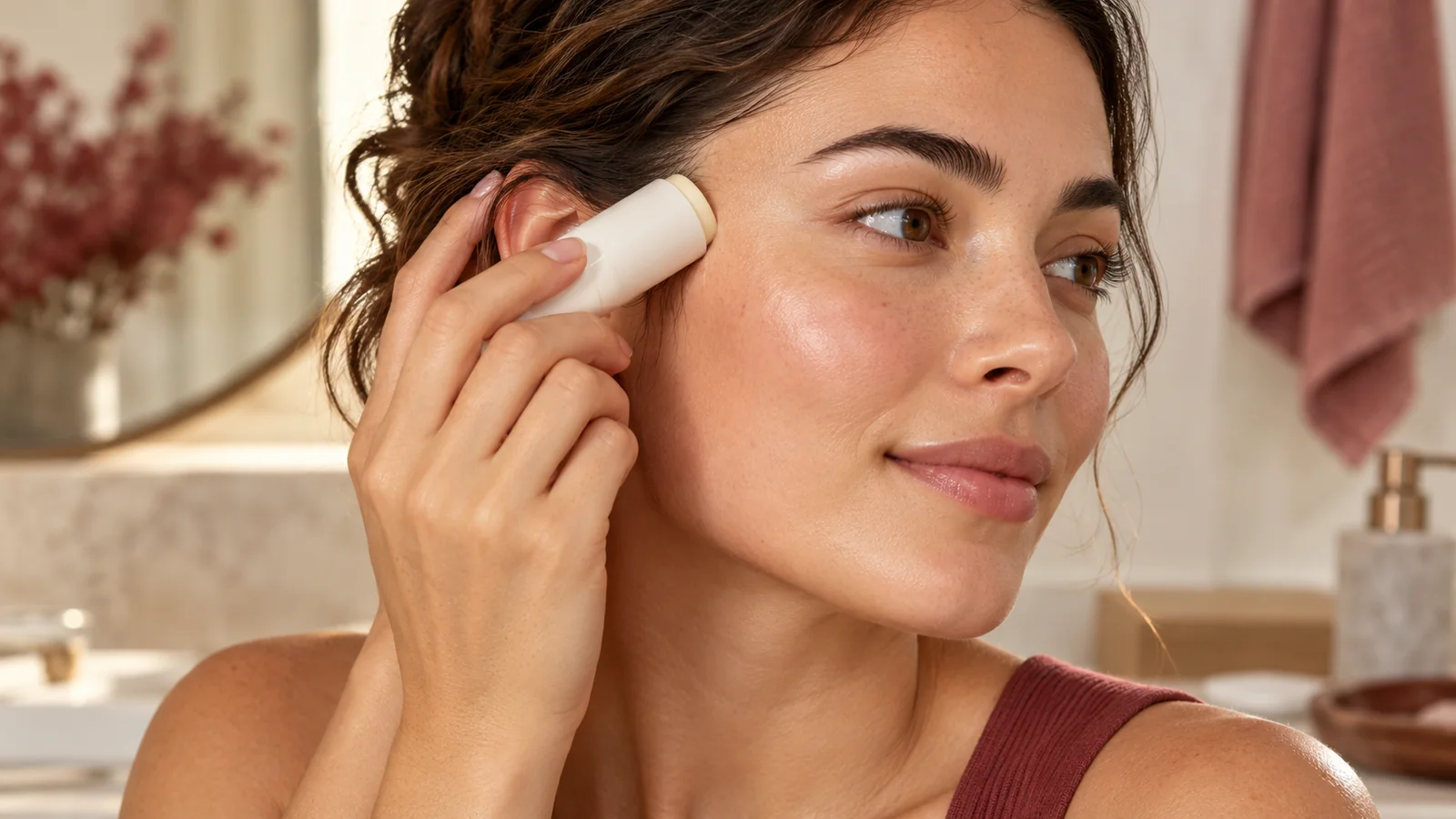
Use smaller movements beside the nose, ears and jaw. Sticks can skip over coarse hair or curved surfaces. Inspect in a mirror from several angles and add coverage where the solid did not make contact.
Use a primary lotion or cream when it better supports even coverage
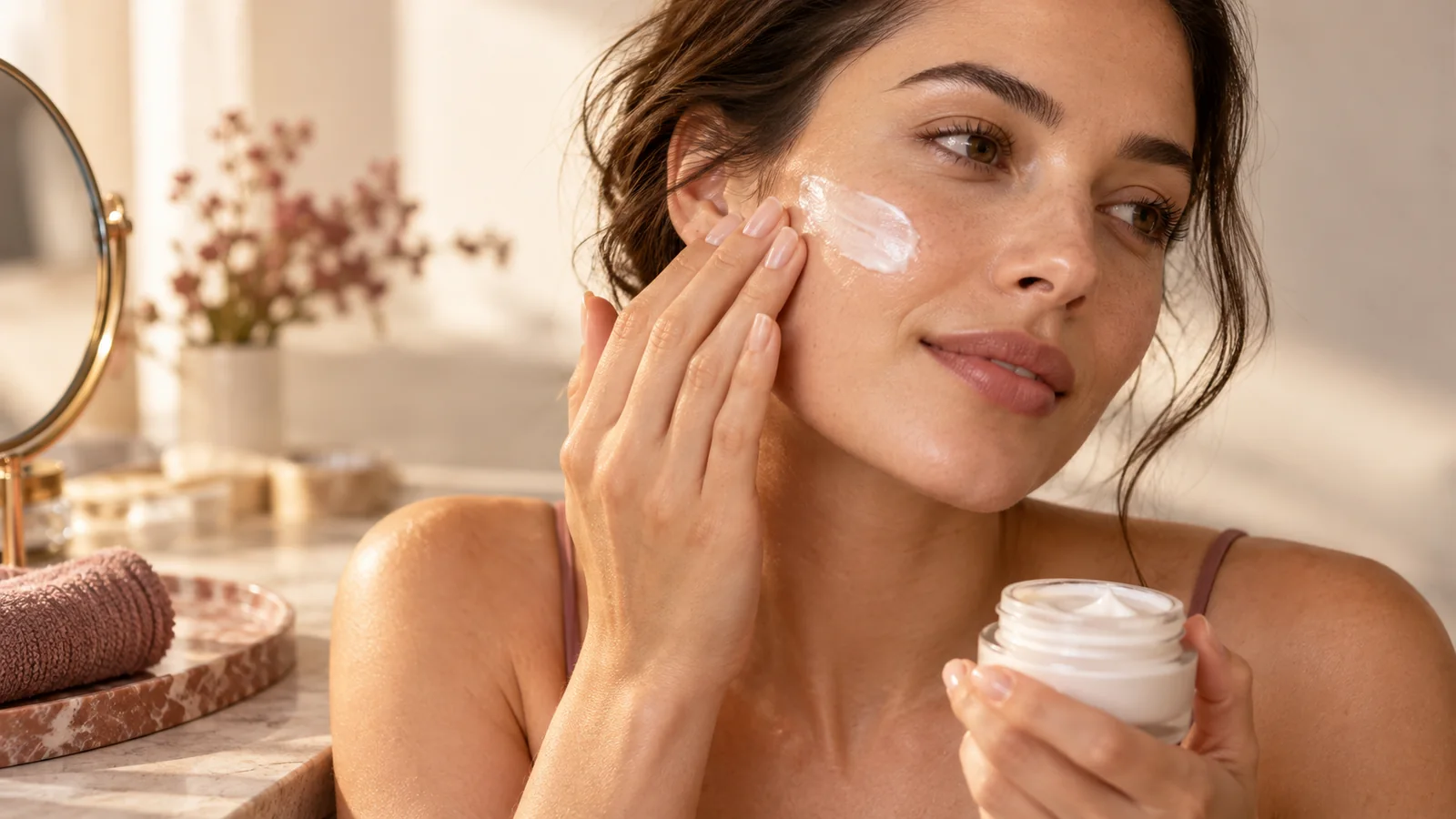
A stick can complement rather than replace another sunscreen. Select the primary formula with the criteria in the mineral and chemical sunscreen guide, then reserve the stick for portable touch-ups.
Keep the stick clean and protected from excessive heat
Close the cap, avoid sharing and do not leave it in a hot car where the texture may change. Follow brand cleaning guidance rather than wiping with unapproved disinfectants that could alter the surface.
Where a stick helps most
- Small exposed areas such as ears and nose
- Portable reapplication when hands are clean
- Travel where spill resistance matters
- As a companion to an even lotion base
Where it needs extra care
Hairlines, beards, brows, curved jawlines and full-face first applications are easy to under-cover. When using it above makeup, follow the over-makeup reapplication guide.
Frequently asked questions
How many passes are enough?
Follow the specific label. Use slow overlapping passes and check for missed areas rather than relying on a universal number.
Can a sunscreen stick replace lotion?
It can when applied exactly as directed, but lotion is often easier for broad even first application.
Should I rub the stick in?
Follow product directions. Gentle blending may improve evenness but does not compensate for too little product.
The bottom line
Use sticks for their genuine strength—portable, controlled placement—while respecting the challenge of even coverage. The label, overlapping application and inspection matter more than speed.