Quick answer: Reapplying sunscreen over makeup is a coverage problem before it is a cosmetic one. Remove sweat or excess oil, work in small sections and use enough of a labeled sunscreen to form an even layer.
Start with the real decision
No over-makeup method makes application invisible or guarantees the same coverage as a careful bare-skin layer. Exposure, label directions and willingness to disturb the finish should guide the choice.
A practical method
Begin with a reliable sunscreen layer under makeup
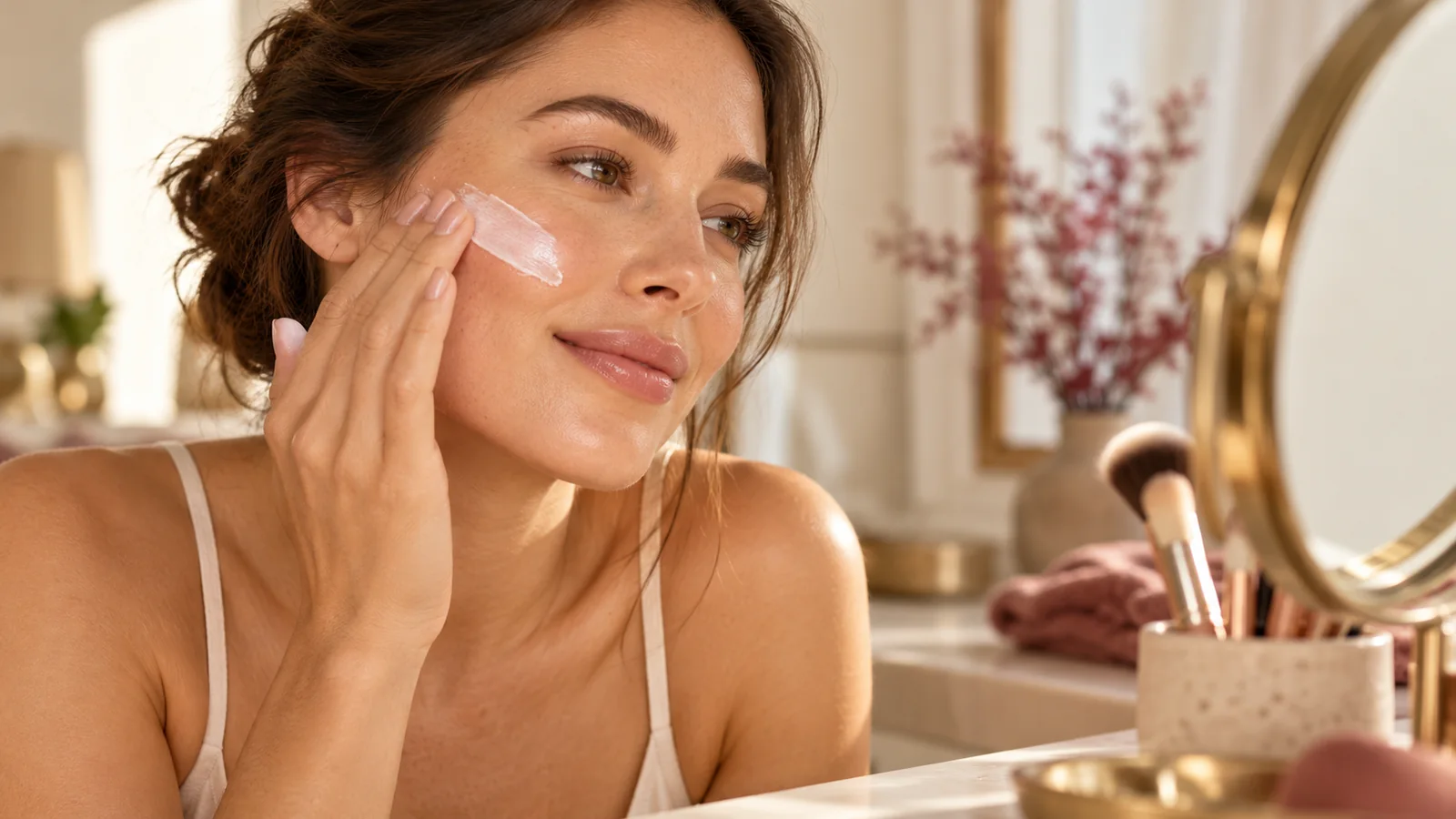
Apply broad-spectrum sunscreen evenly as the final skincare step and let it settle before makeup. A solid morning layer reduces reliance on an improvised touch-up. Makeup with SPF is usually applied too thinly to serve as the only protection.
Choose reapplication timing according to exposure
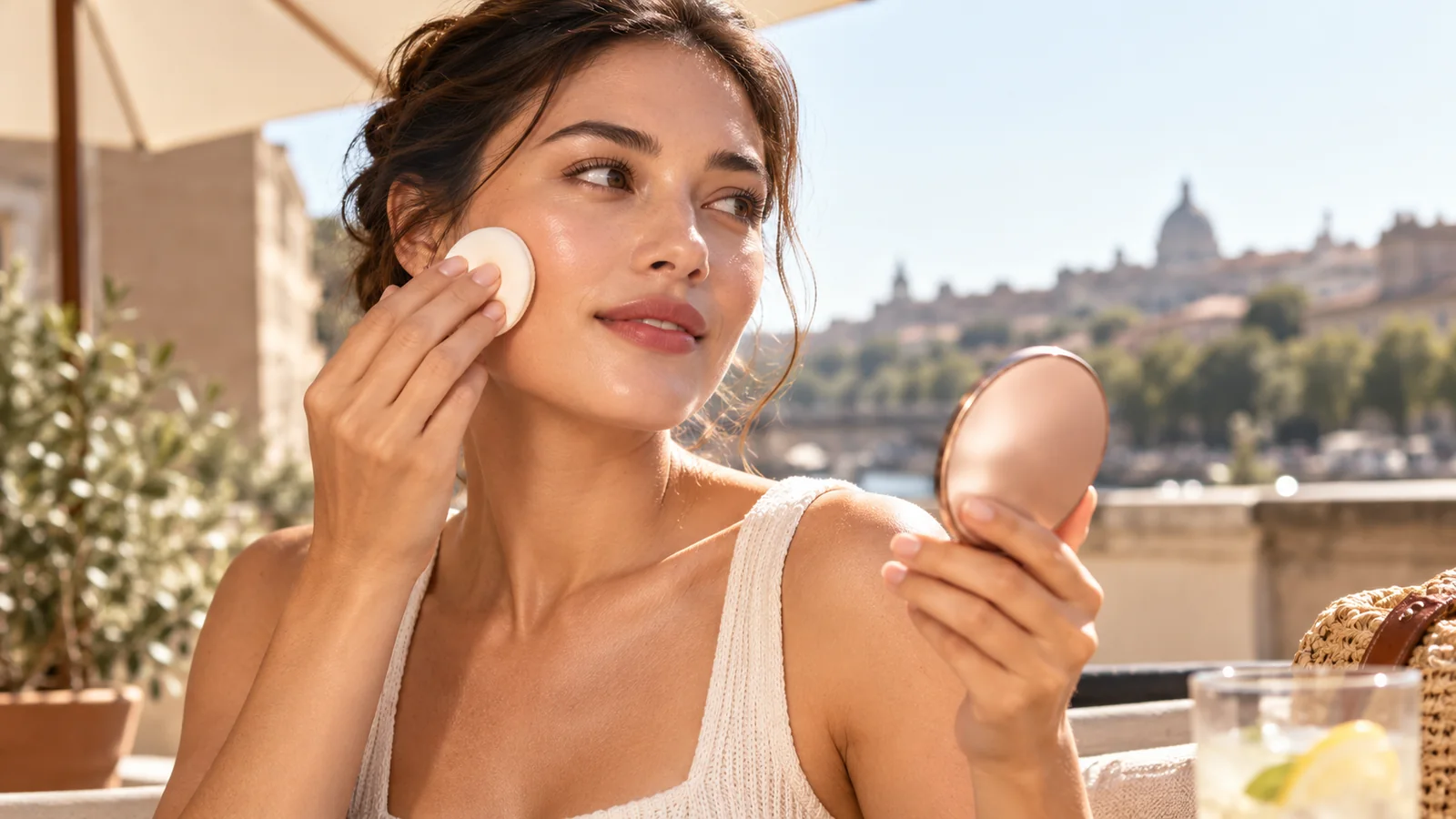
Follow the product label and reapply after swimming, sweating or toweling. Someone beside a sunny window or outdoors needs a different plan from someone away from daylight. Hats, shade and protective clothing reduce direct exposure but do not make sunscreen irrelevant.
Remove surface moisture and excess oil first
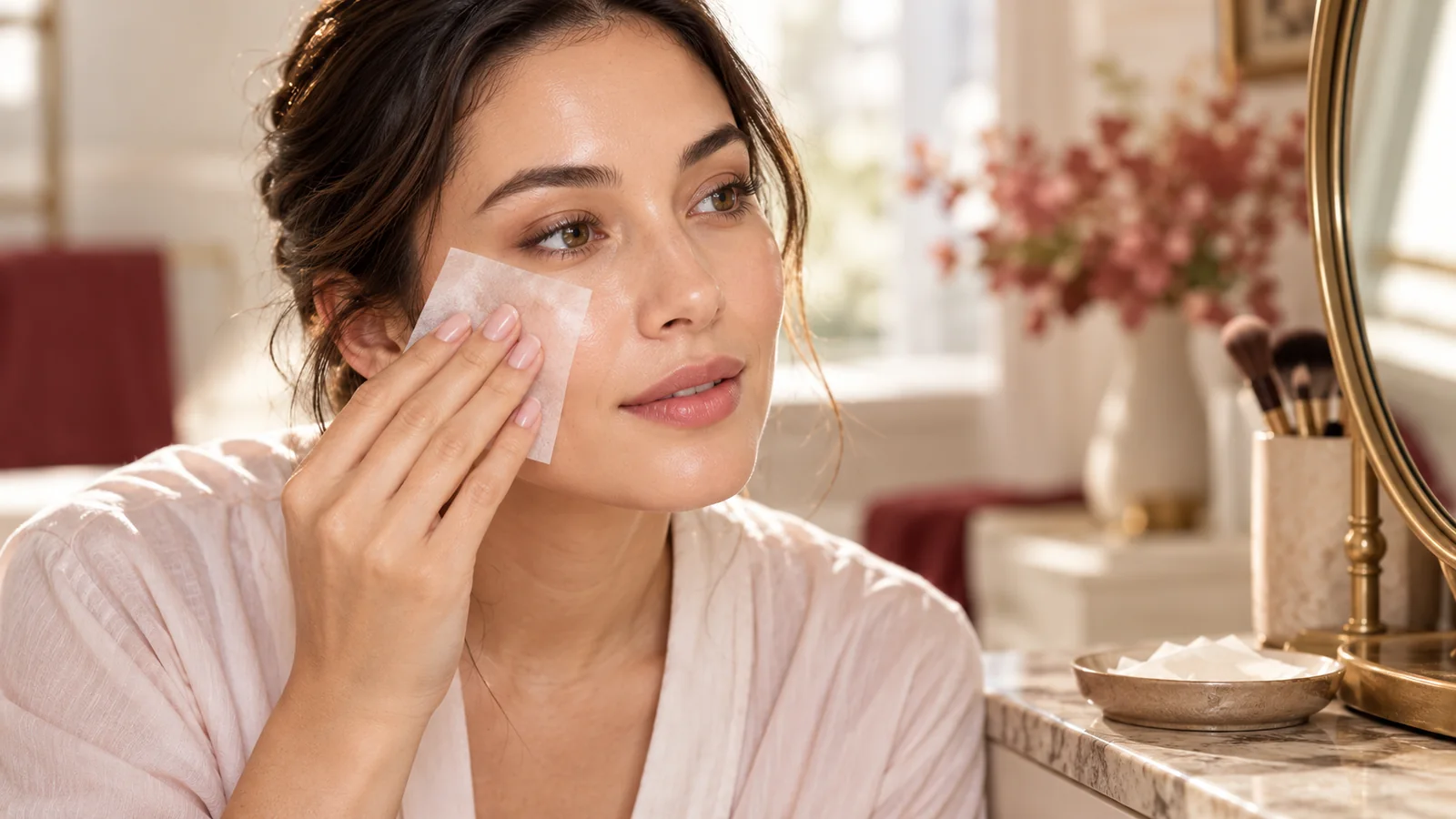
Blot—do not wipe—sweat and oil with clean tissue. Applying sunscreen directly onto a wet or greasy surface can create gaps and move foundation. Smooth obvious separation with a clean sponge before adding another layer.
Press a compatible sunscreen over makeup in small sections
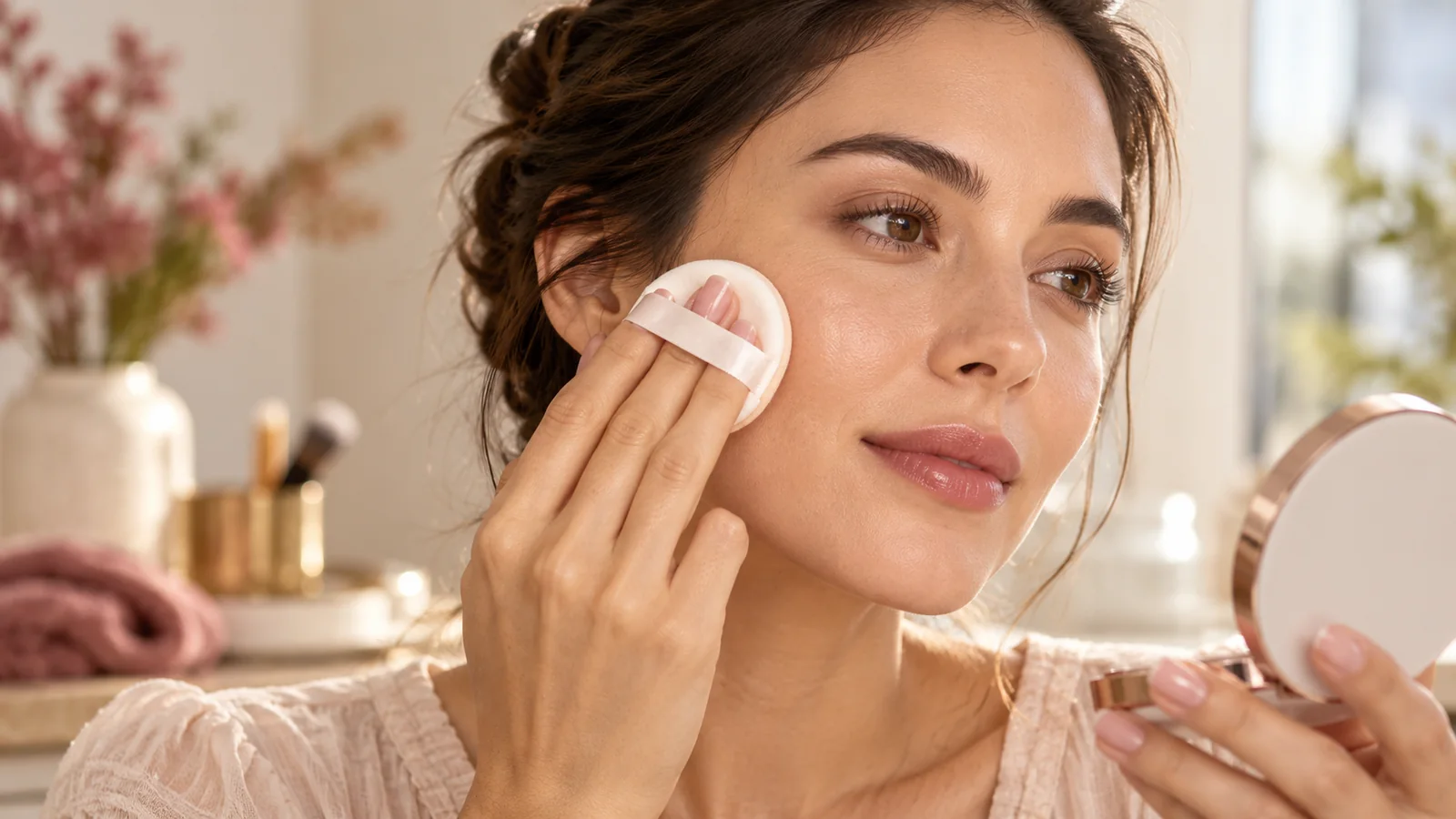
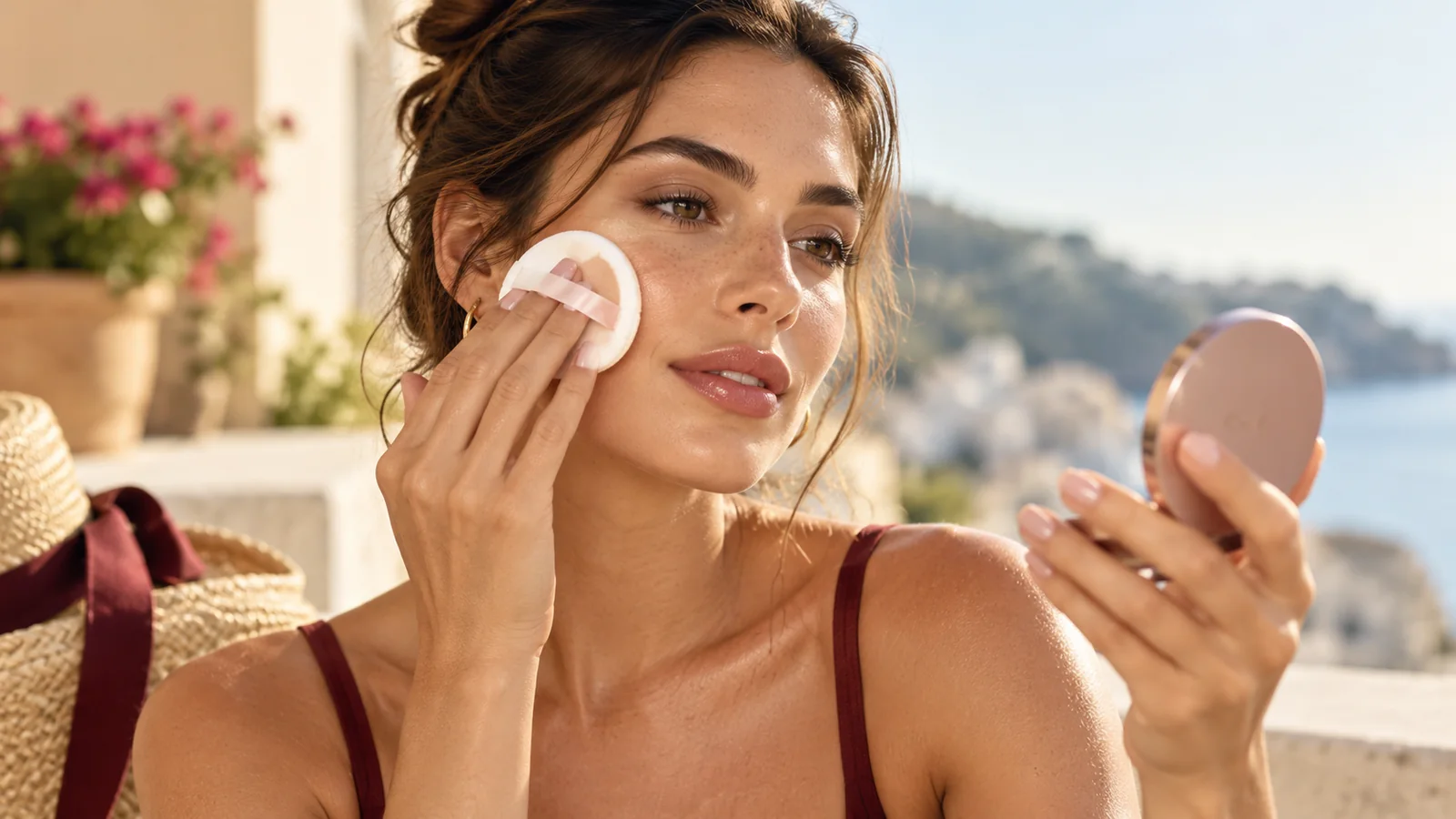
Dispense lotion onto clean fingers or a sponge and press across one area at a time. Avoid vigorous circular rubbing. Expect some change to coverage; after the sunscreen settles, correct only the small areas that genuinely need makeup.
Treat powders and mists as format choices rather than automatic coverage guarantees
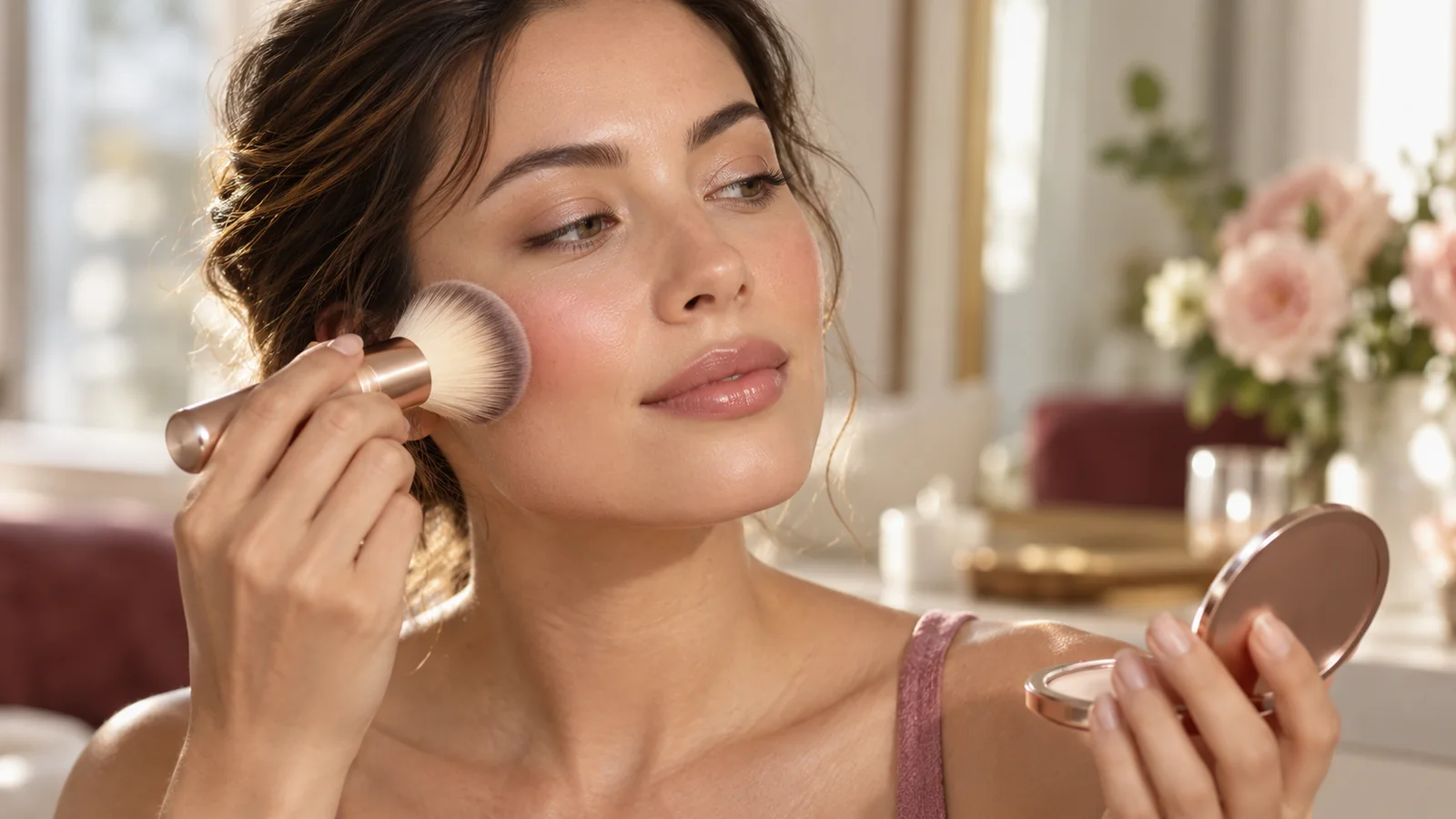
Powder and spray can be convenient, but even, sufficient application is difficult to judge. Read the exact label and do not assume a few passes equal tested SPF coverage. A lotion, fluid or carefully applied stick may provide a more observable film.
Check the label and prioritize even application over a perfect finish
Use a mirror to inspect hairline, nose, ears and jaw. If makeup becomes patchy, protection takes priority; repair color afterward. Compare base formulas in the sunscreen selection guide.
Format trade-offs over makeup
| Format | Advantage | Watch for |
|---|---|---|
| Fluid or lotion | Coverage is easier to see | May disturb base |
| Stick | Portable and controlled | Missed contours or too few passes |
| Powder | Reduces shine | Uneven or insufficient layer |
| Mist | Fast application | Inhalation and coverage gaps |
For stick-specific technique, read the sunscreen stick guide.
Frequently asked questions
Can setting spray with SPF replace reapplication?
Only if its label supports that use and you apply the tested amount evenly; a light cosmetic mist should not be assumed sufficient.
How do I reapply around the eyes?
Use a formula labeled for facial use, avoid direct eye contact and press carefully rather than spraying toward the face.
Should I remove all makeup first?
Not always. For prolonged intense exposure, starting with a fresh even sunscreen layer may be more reliable than preserving makeup.
The bottom line
Plan reapplication around actual exposure and an even film. A slightly altered makeup finish is preferable to a beautifully preserved but incomplete sunscreen layer.