Quick answer: Mineral and chemical sunscreens can both provide effective labeled protection when properly formulated and applied. Choose by broad-spectrum labeling, SPF, water resistance, finish and the likelihood that you will use enough.
Define the practical goal
“Mineral” usually refers to zinc oxide and titanium dioxide filters; “chemical” is a broad consumer term for other approved organic UV filters. Hybrid formulas combine categories in some markets. The label and local regulation are more informative than fear-based marketing.
A focused method
Understand that filter category is only one part of performance
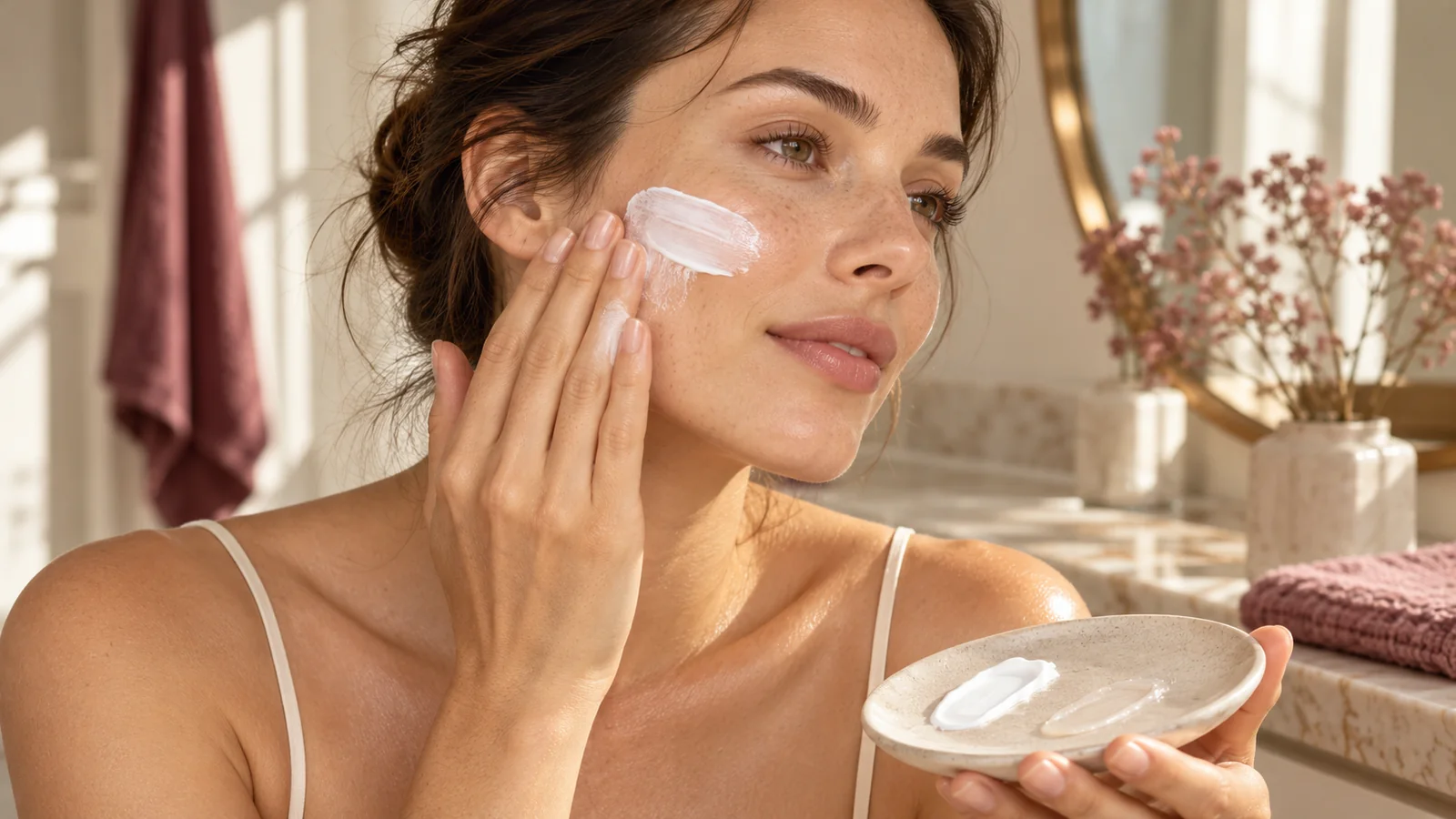
SPF describes UVB protection under standardized testing, while broad-spectrum labeling addresses UVA requirements. Film formation, stability and even application affect real use. A mineral label does not automatically mean stronger, safer or more suitable for every sensitive skin.
Consider finish, cast and compatibility with your skin tone
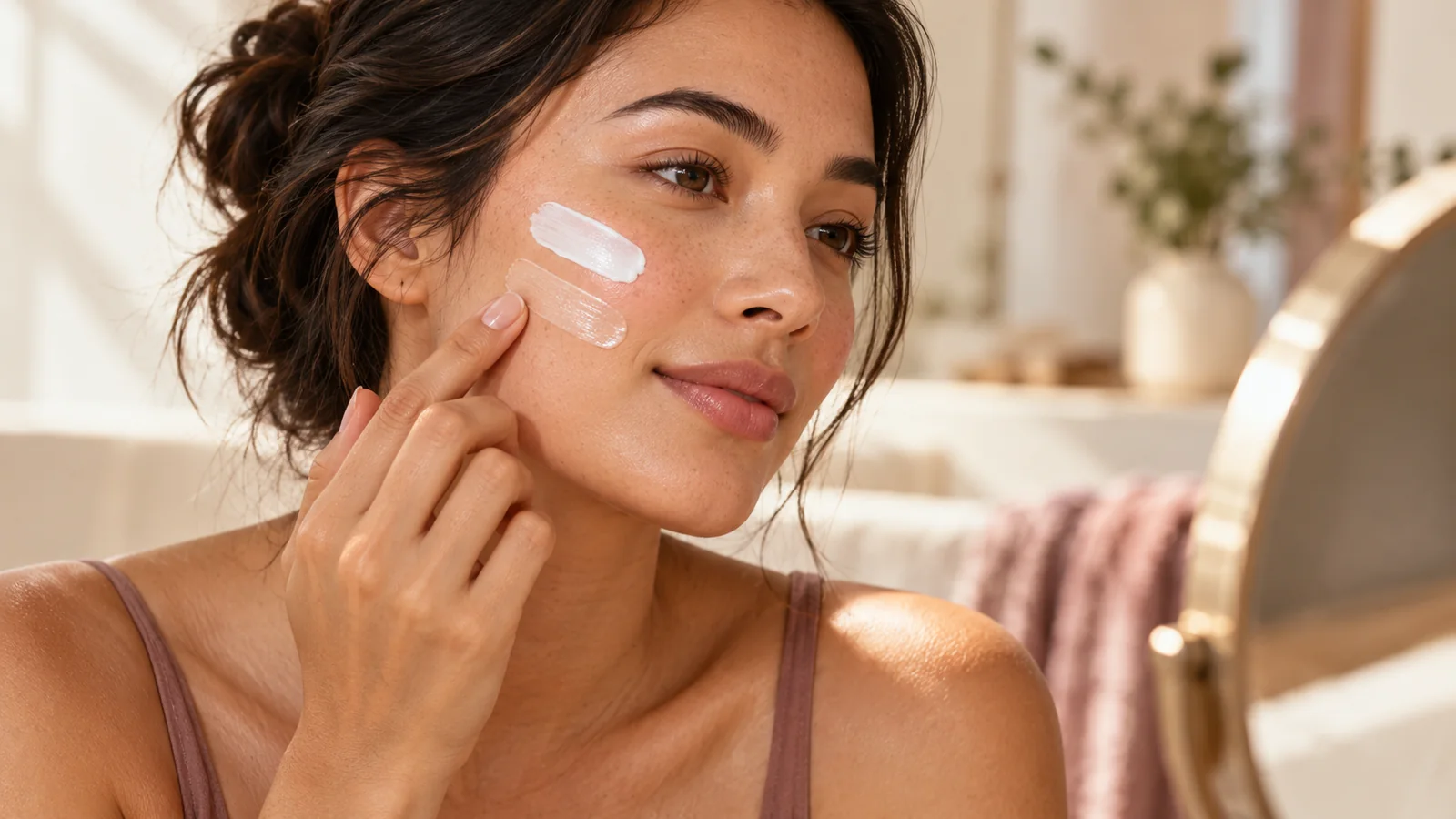
Zinc-rich formulas may leave a visible cast, particularly on deeper skin tones, though tinted versions can help. Organic-filter formulas may be more transparent but can sting some eyes. Test color and comfort in daylight before relying on a product.
Check whether the texture works under your usual makeup

Apply the sunscreen amount directed, let it settle, then test foundation on one section. Rolling product may come from excess layers or rubbing rather than filter category. Use the makeup pilling guide to isolate the layer.
Use a sufficient and even application
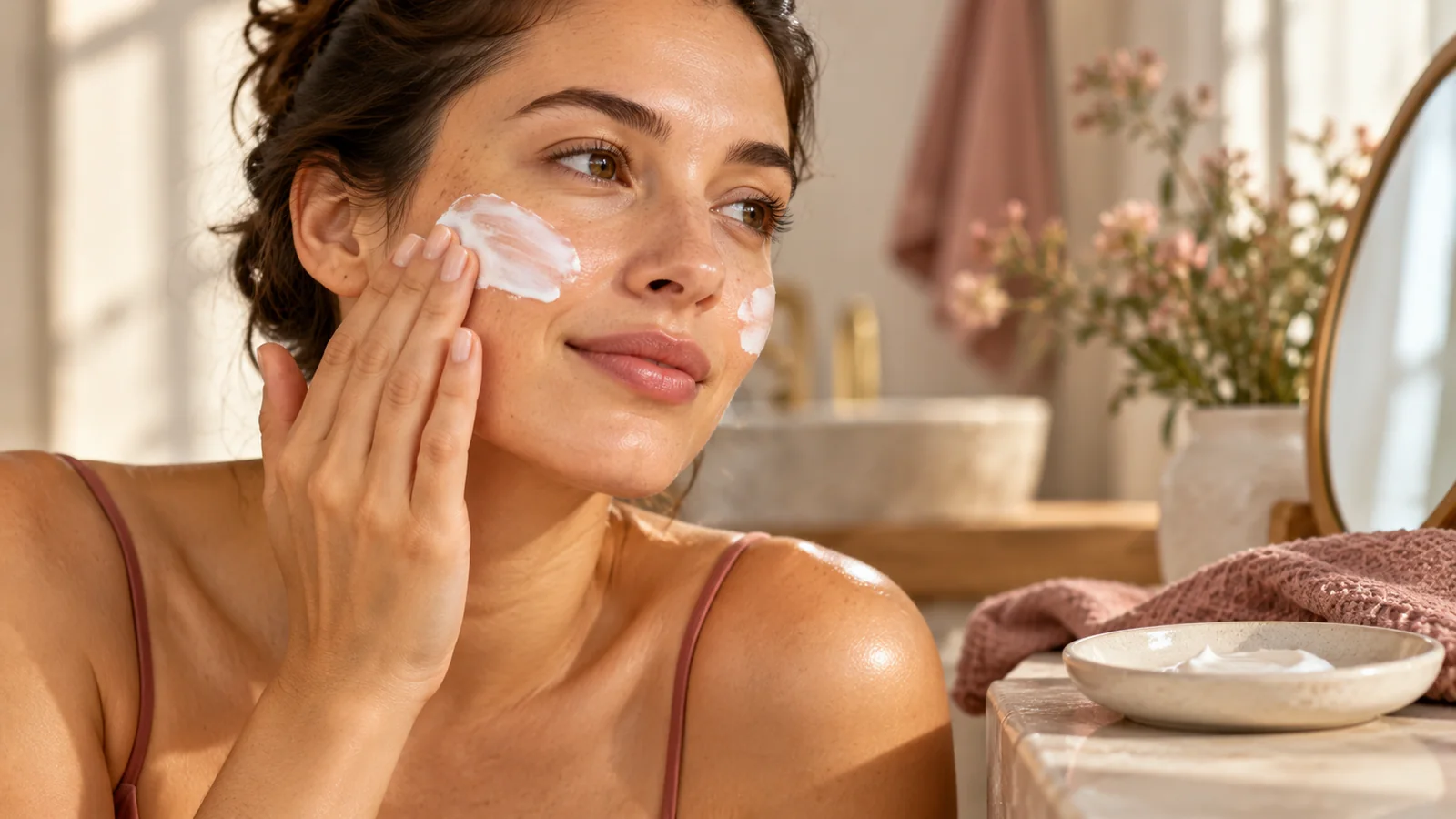
Cover exposed skin evenly, including ears, hairline and neck where appropriate. Do not mix sunscreen with foundation or moisturizer because that can disrupt the tested film. Follow the product directions for amount and timing.
Plan realistic reapplication for your day
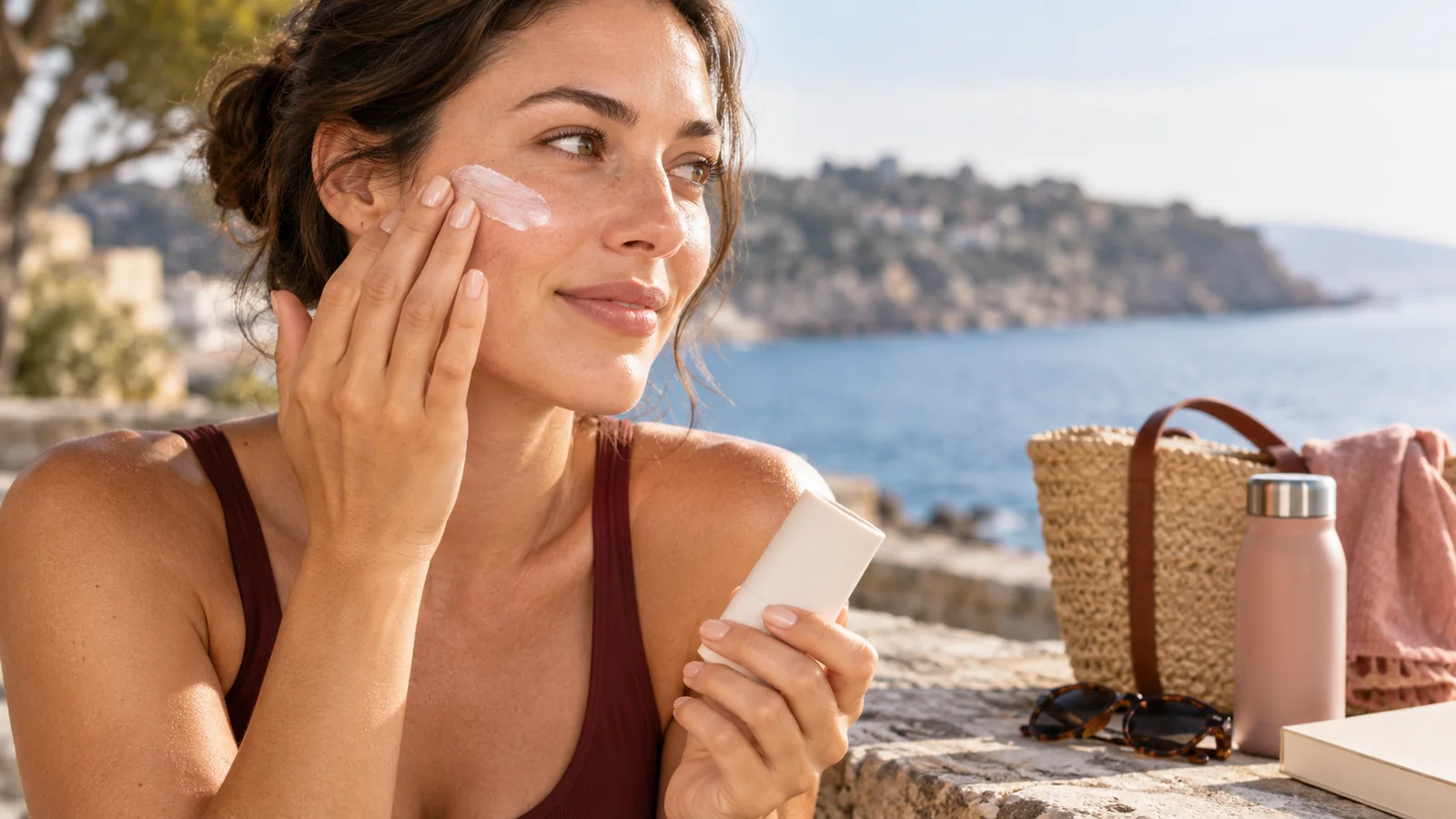
Reapply according to label directions and after swimming, sweating or toweling. Over makeup, use a compatible lotion or other labeled format and prioritize even coverage; the reapplication guide compares practical methods.
Choose water resistance when activity or weather requires it
Water-resistant labeling is important for swimming and sweating, but it lasts only for the stated tested period. Reapply afterward. For an ordinary indoor day, comfort and consistent use may matter more than choosing the most tenacious film.
Decision table
| Priority | What to test |
|---|---|
| No visible cast | Transparent or well-matched tinted finish |
| Eye comfort | Careful application around eyes; compare formulas |
| Under makeup | Settling, pilling and surface finish |
| Outdoor activity | Water-resistance duration and reapplication |
Do not infer protection from texture or whiteness. Use the labeled product correctly.
Frequently asked questions
Is mineral sunscreen always better for sensitive skin?
No. Some people prefer it, but the full formula—including fragrance and other ingredients—affects tolerance.
Can makeup with SPF replace sunscreen?
Usually makeup is applied too thinly for dependable labeled protection. Use a dedicated sunscreen underneath.
Do darker skin tones need sunscreen?
Yes. UV exposure affects every skin tone, although individual risks and visible effects differ.
The bottom line
The best category is the one that delivers verified broad-spectrum protection in a finish you can apply generously and reapply. Compare complete formulas, not filter labels in isolation.