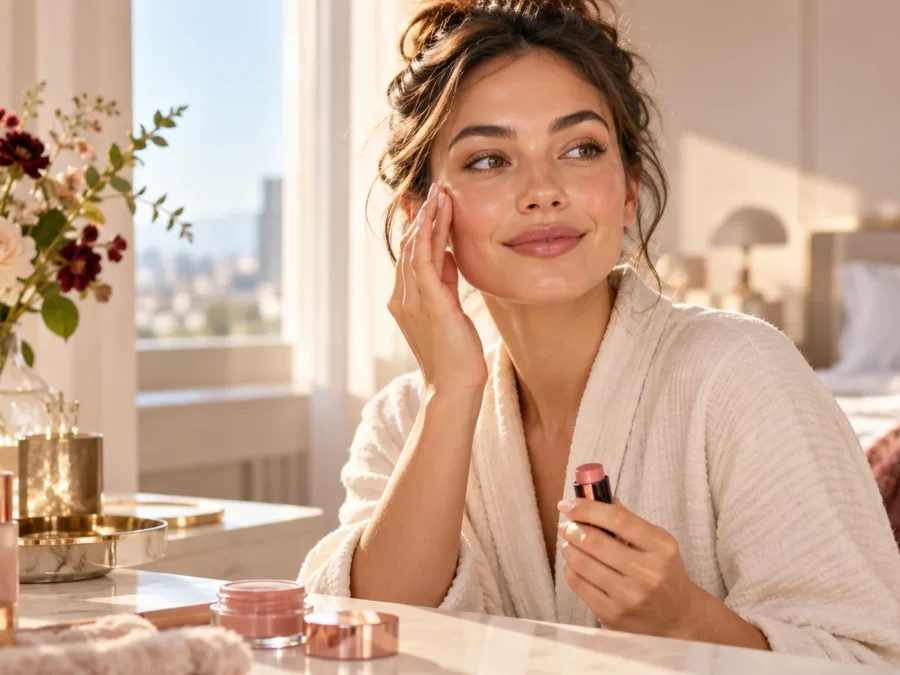
Quick answer: Use the period-after-opening symbol, opening date, storage and changes in smell, texture or performance together. Expiration decisions are especially conservative for eye products and anything used during an infection.
Start with the real decision
An unopened shelf-life date and the small open-jar symbol answer different questions. The jar—such as 6M or 12M—usually indicates the recommended period after opening. Regulations and labels vary, so check the package.
A practical method
Find the period-after-opening symbol and record opening dates
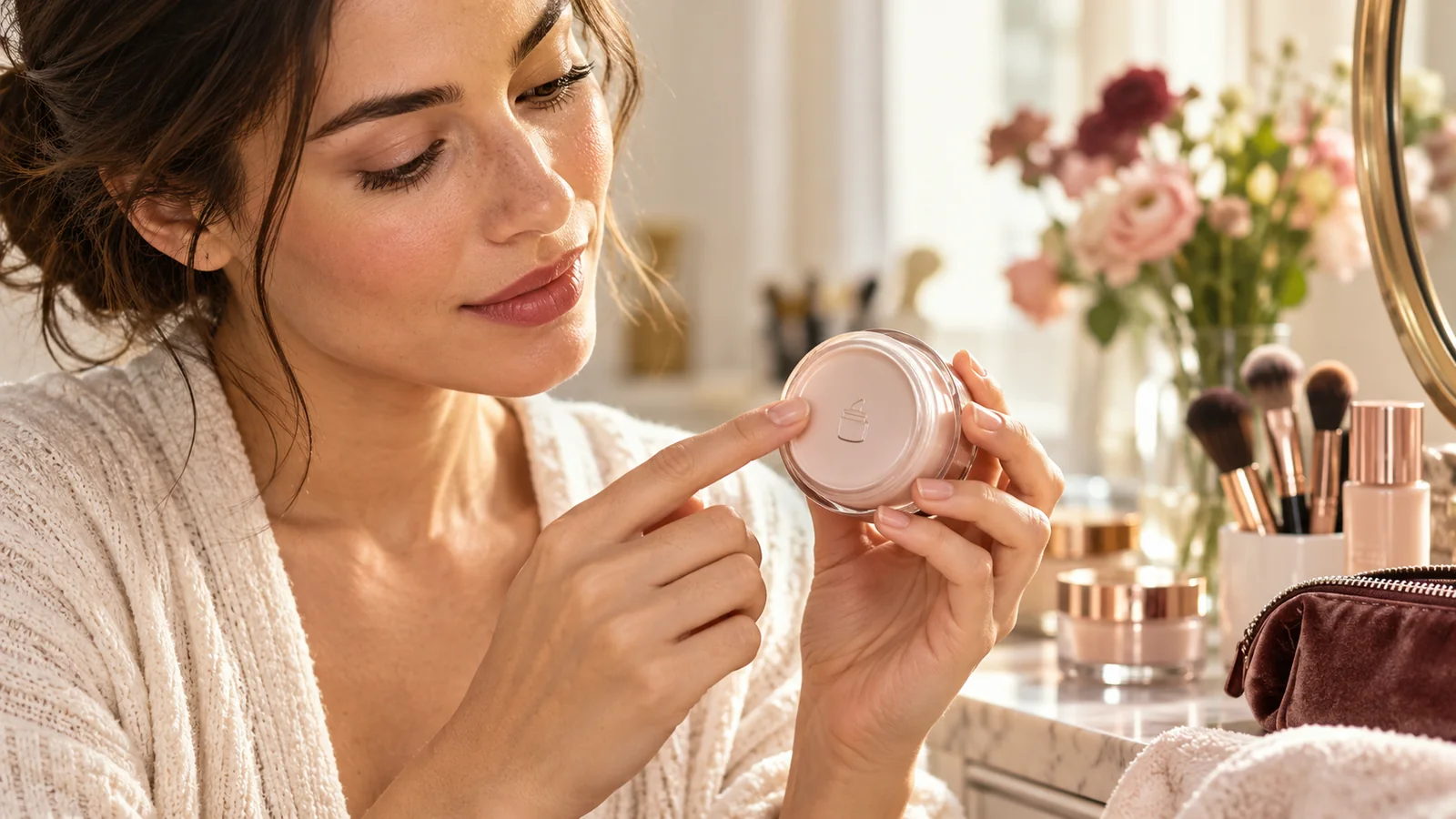
Write the month and year discreetly on the product or keep a phone note. Guessing from purchase date is unreliable if backups remain sealed. If a printed expiration date exists, respect it even when the formula looks unchanged.
Pay special attention to products used near the eyes
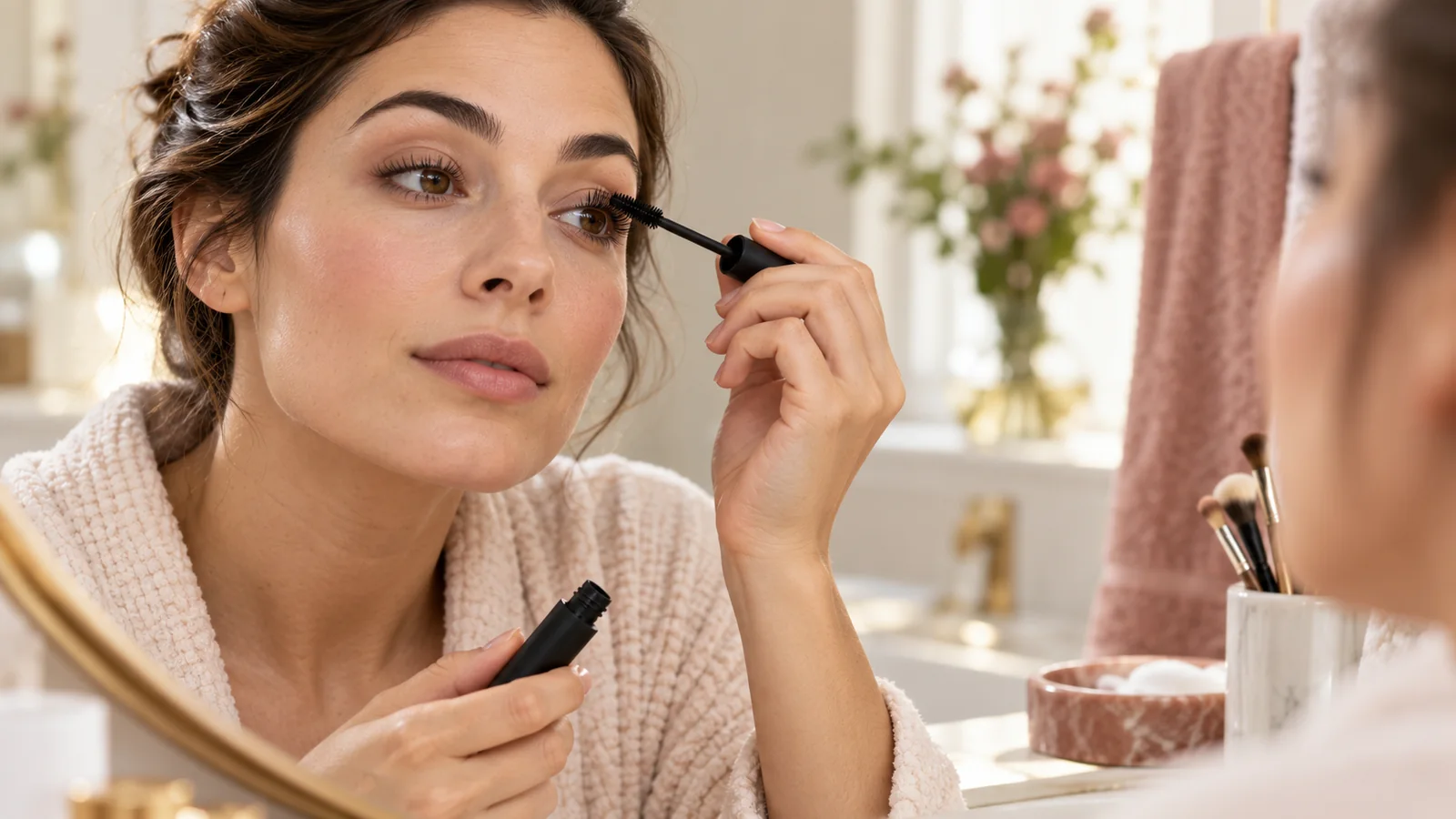
Mascara and liquid liner repeatedly contact a sensitive area and are exposed to air during use. Do not extend their life by adding water. Replace products after an eye infection and follow medical advice about tools and cosmetics.
Watch for changes in smell, texture, color or performance
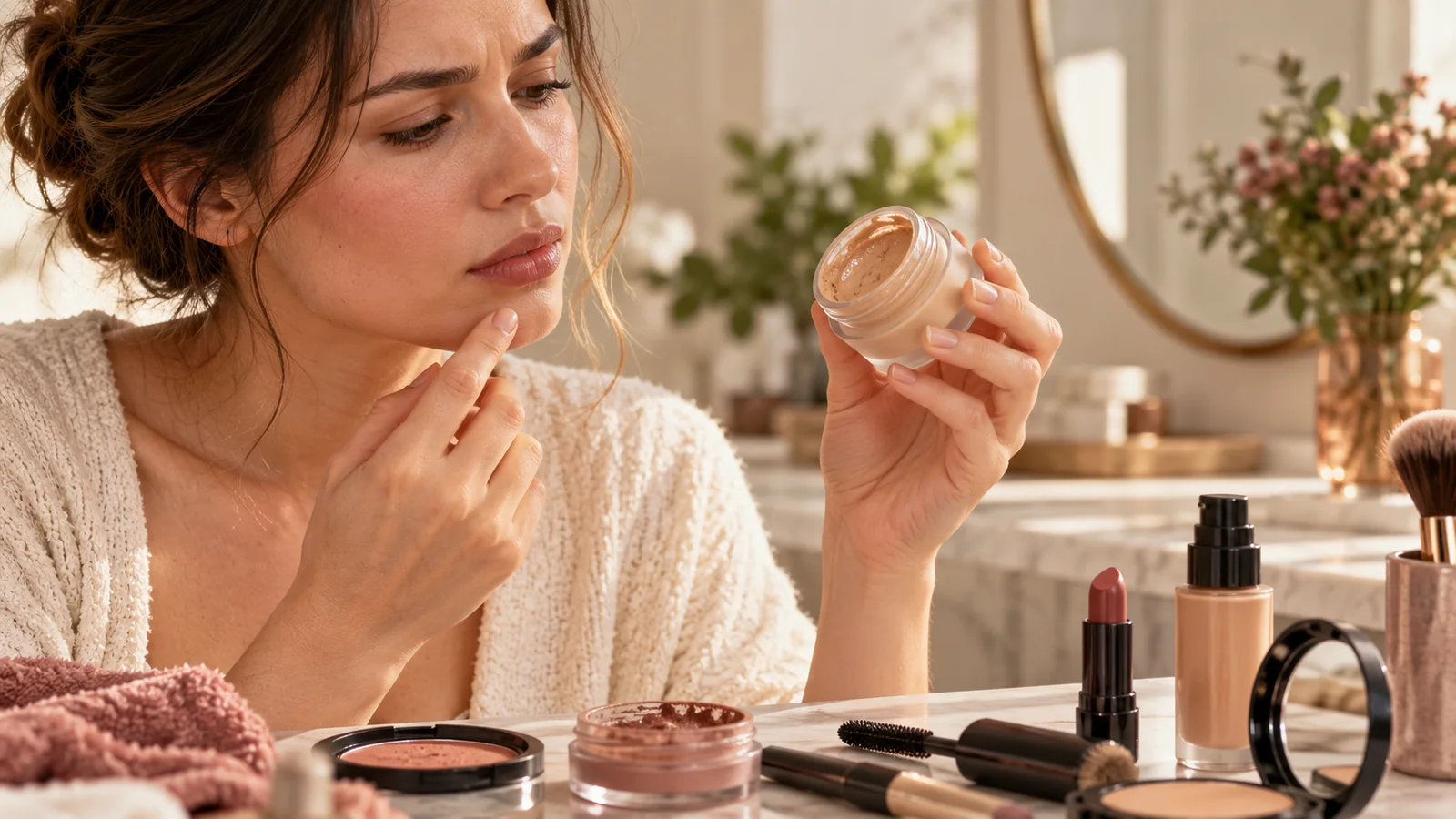
Unexpected separation that does not recombine as directed, rancid odor, drying, gas, mold or a changed color are reasons to discard. A formula can require disposal before the printed period if it was contaminated or stored poorly.
Avoid adding water or other ingredients to revive formulas
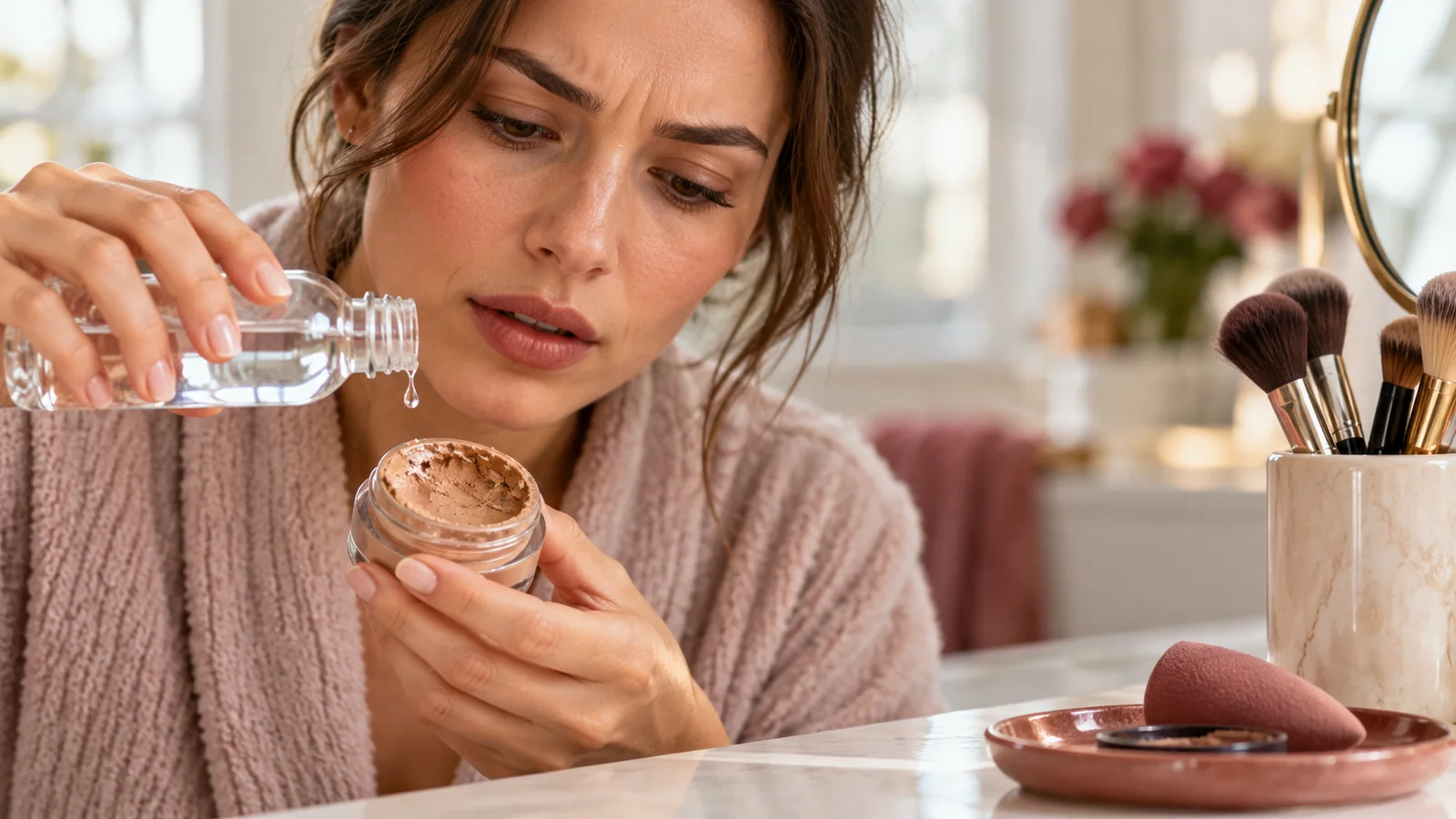
Water changes preservation and can introduce microbes. Saline, facial mist and oil are not safe universal diluents. If a product requires a brand-approved mixing medium, use only as directed.
Clean packaging and tools without contaminating the product
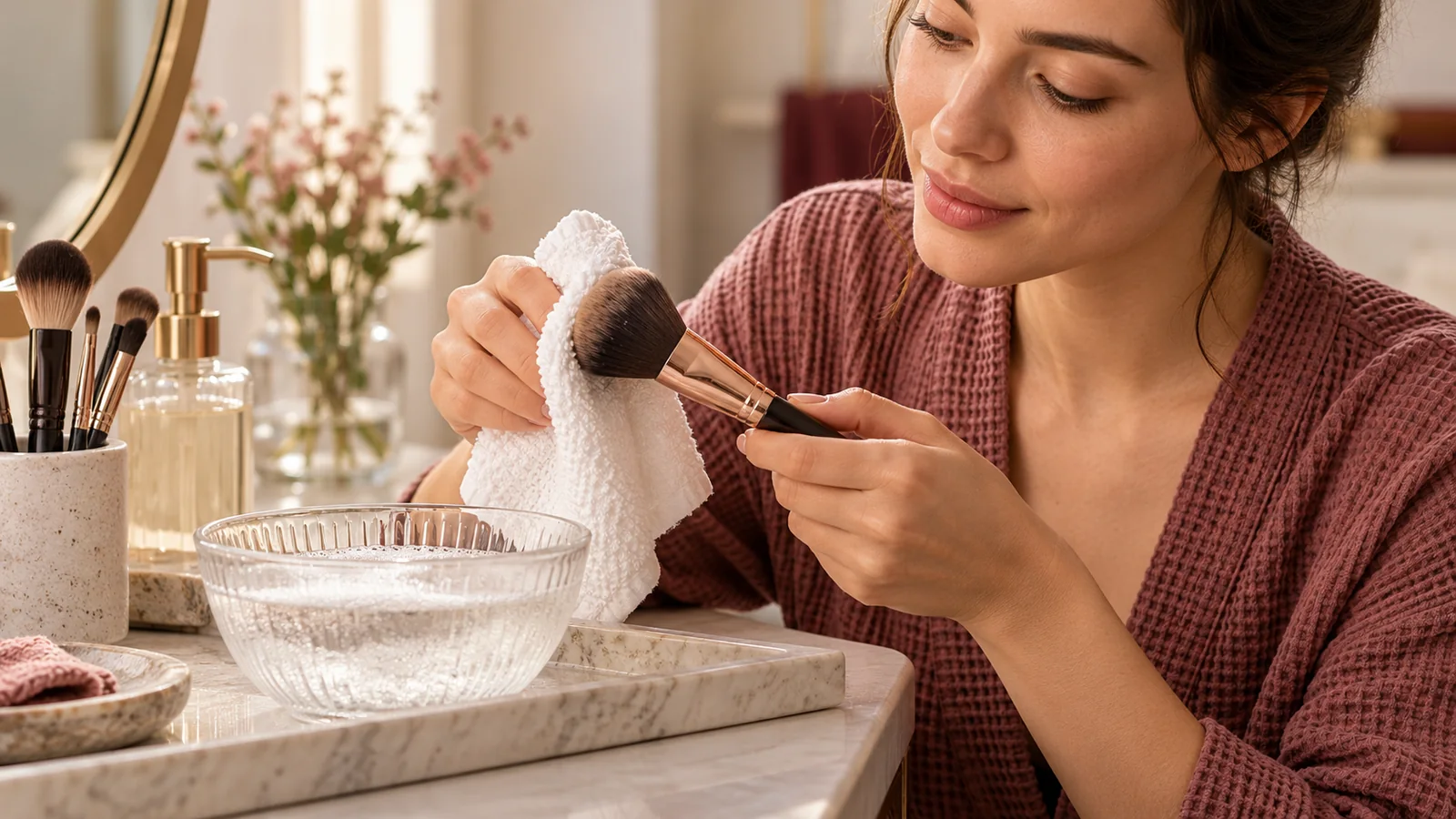
Wipe caps and external residue with an appropriate clean method; do not pour cleaner into the formula. Use clean hands and tools, close lids promptly and keep jars away from steamy bathrooms when possible.
Discard items after infection or when safe use is uncertain
Do not donate opened products that contact eyes or lips. When the history is unknown or the formula behaves differently, replacement is safer than an improvised test. Clean brushes using the tool-washing guide.
Keep, clean or replace?
| Observation | Action |
|---|---|
| Clean exterior residue | Clean packaging |
| Normal removable powder hardpan | Remove surface with clean tool |
| Changed smell or mold | Replace |
| Used during eye infection | Replace relevant products |
| Unknown opening date and altered texture | Replace |
A smaller collection makes dates easier to track; see the minimalist makeup bag.
Frequently asked questions
Does powder makeup last forever?
No. Powder may last longer than wet formulas, but contamination, storage and label guidance still matter.
Can lipstick be sanitized by wiping the top?
Wiping removes surface material but cannot prove the entire product is uncontaminated. Do not rely on it after illness or sharing.
What if the symbol has rubbed off?
Check the brand’s current official information and use your recorded opening date; discard when history or condition is uncertain.
The bottom line
Expiration is a risk decision, not a challenge to preserve every purchase. Track opening dates, protect formulas from contamination and replace questionable products rather than modifying them.