Quick answer: Visible texture is normal. A smoother-looking base comes from matching preparation and placement to the kind of texture you see—not from covering the face with a thicker layer.
Start with the surface, finish and setting you actually have
Dry flakes, enlarged-looking pores and raised blemishes behave differently under makeup. Flakes catch pigment, pores become more obvious when glossy product pools around them, and an active blemish cannot be made physically flat with foundation. Identify the main issue in each area before choosing a fix.
Judge the finish in ordinary light and at conversational distance. A magnifying mirror is useful for precise work, but it can encourage extra layering that reads as makeup rather than skin from a normal viewing distance.
A practical method
Identify whether dryness, pores or active blemishes are driving the texture
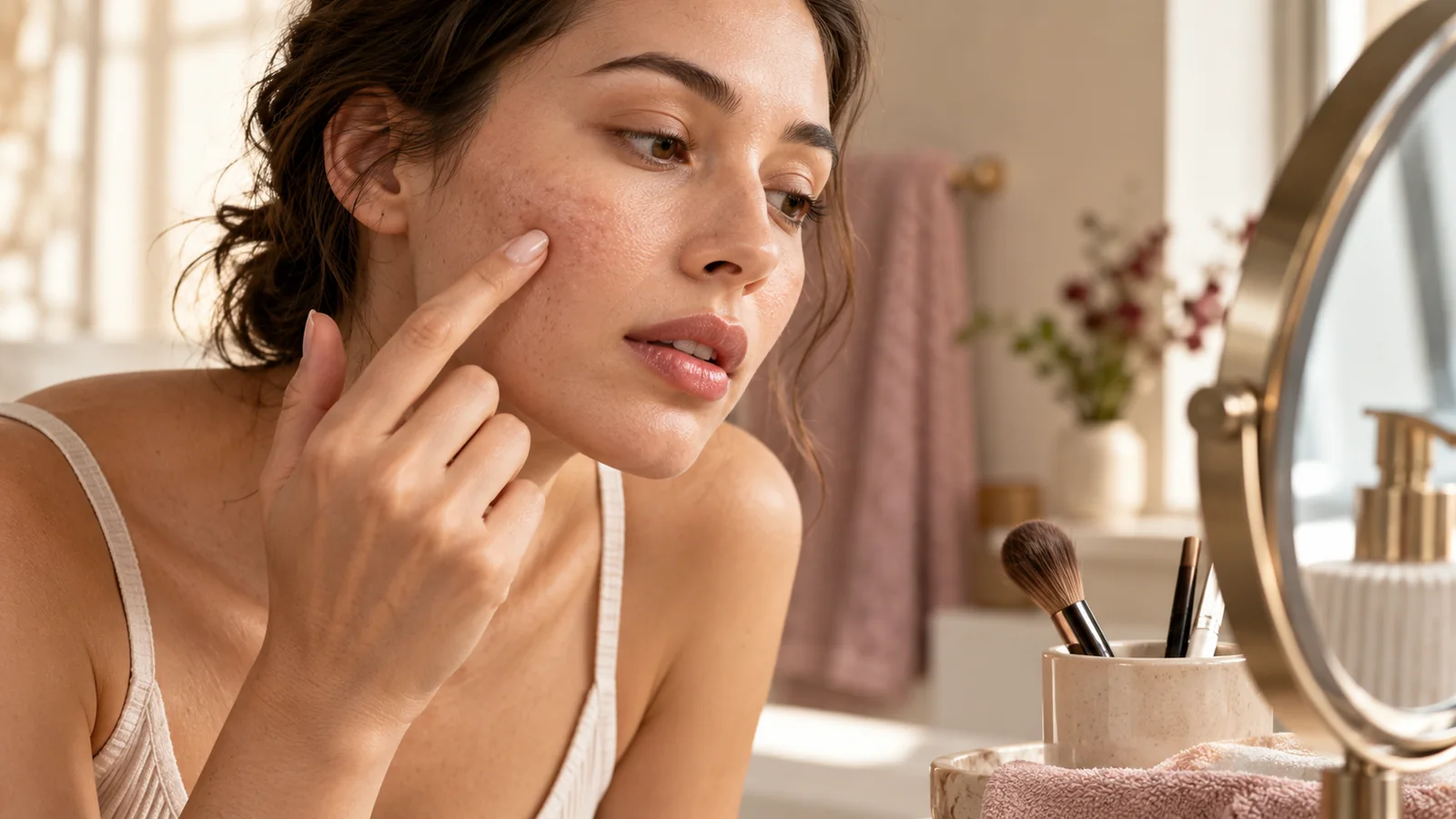
Press a clean fingertip lightly against the area. Tight, papery skin usually benefits from moisture; an oily center with visible pores may need less emollient product; a raised spot needs targeted color correction rather than an attempt to fill its shape. Treat different zones separately.
Use skincare that settles before makeup begins
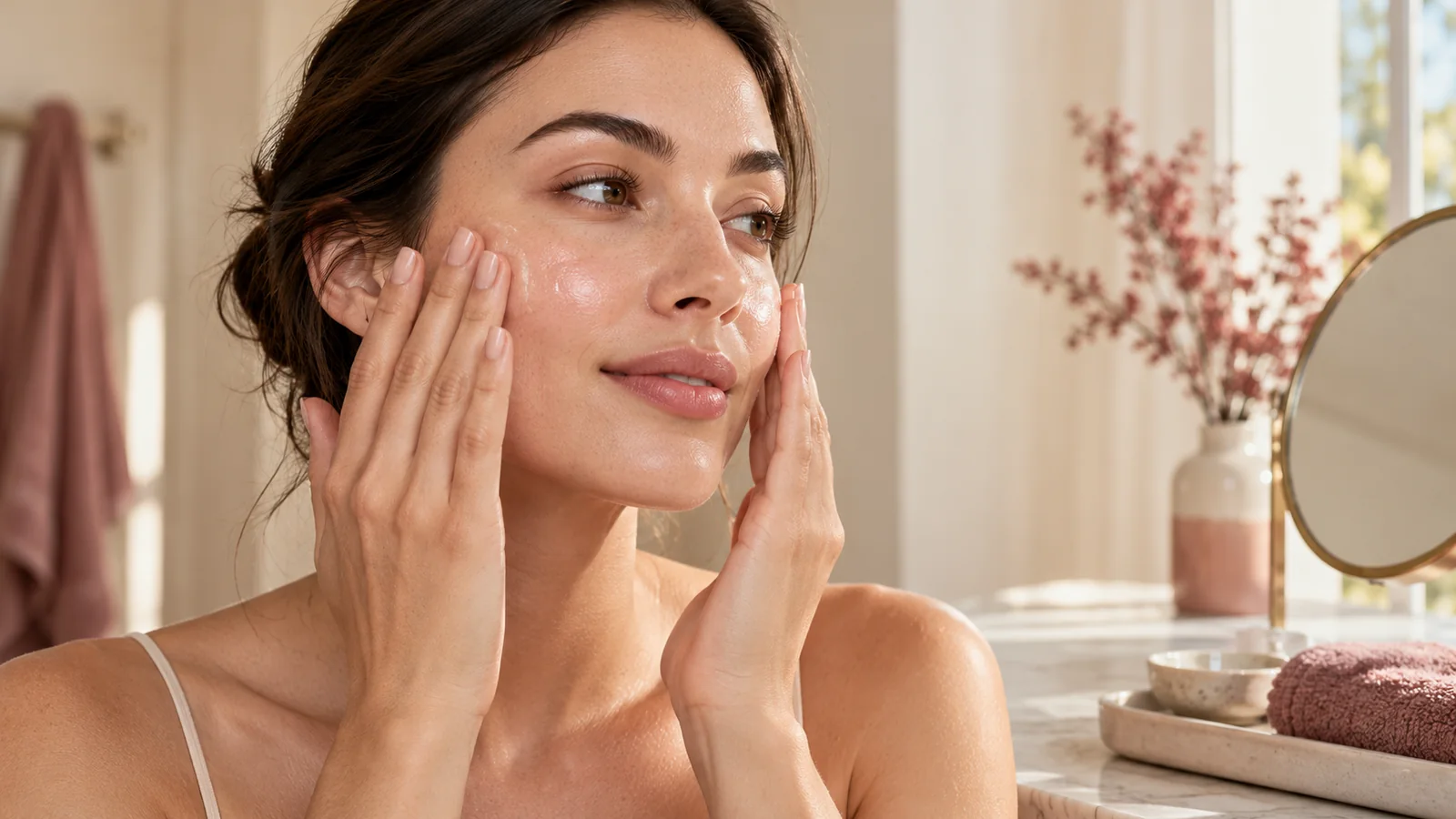
Apply a modest amount of moisturizer and sunscreen, then allow the surface to stop feeling wet. Rubbing foundation into partially set skincare can create flakes or pilling. If dryness is persistent, improve the routine over time rather than trying to compensate with a thick primer on the day.
Match primer to the specific area rather than the whole face
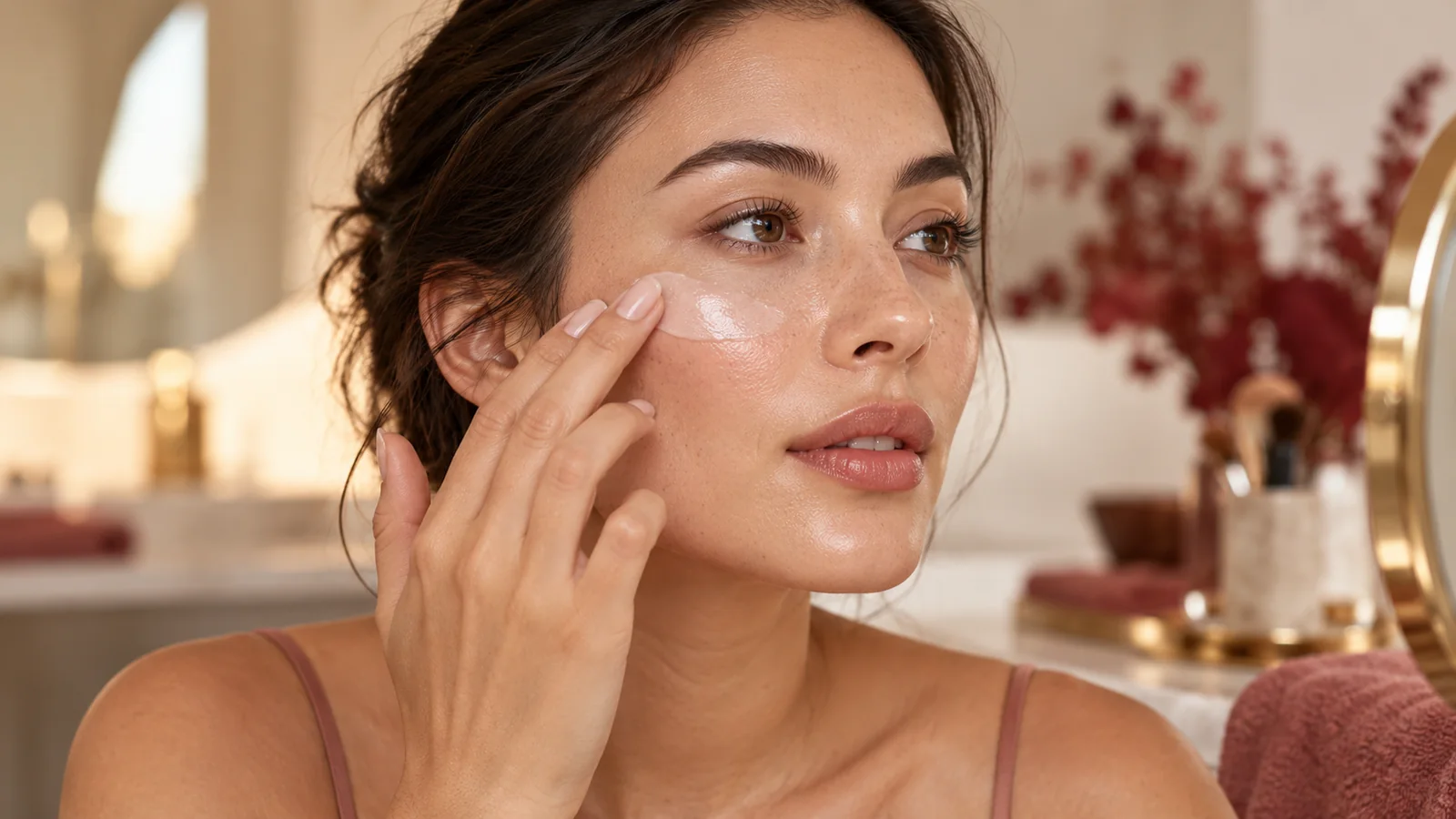
A smoothing primer can reduce the contrast around pores when pressed into a small area, while a hydrating primer may help a dry cheek. Applying both heavily everywhere adds another film that foundation must adhere to. Test compatibility on one section before committing to the entire face.
Apply base in thin sections and stop before coverage becomes heavy
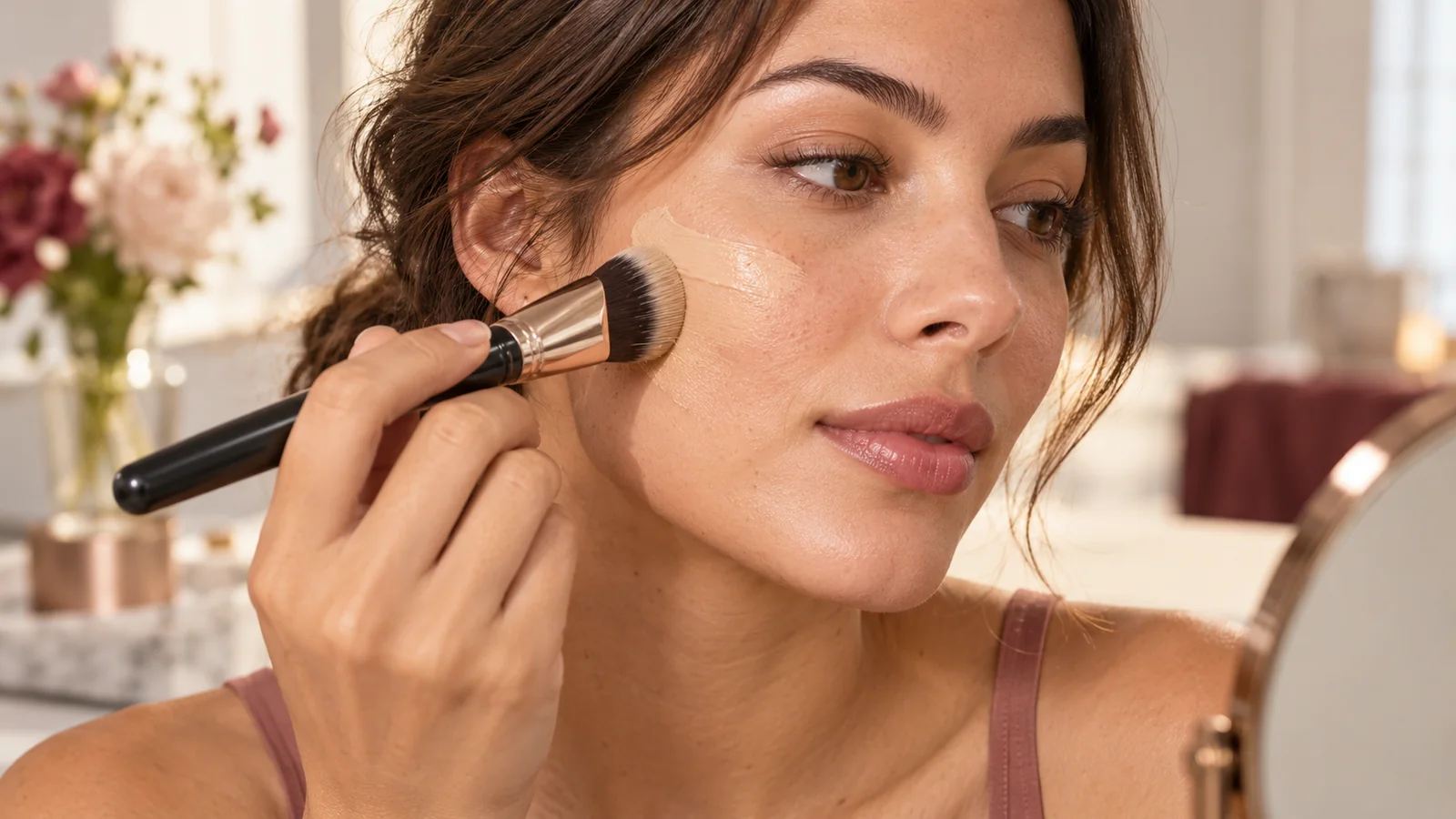
Place a small amount at the center of the face and spread outward with a damp sponge or flexible brush. Work on one zone before the formula sets. When the first layer looks even, pause; a second full layer often emphasizes the very texture it was meant to hide.
Use concealer as targeted correction instead of extra foundation
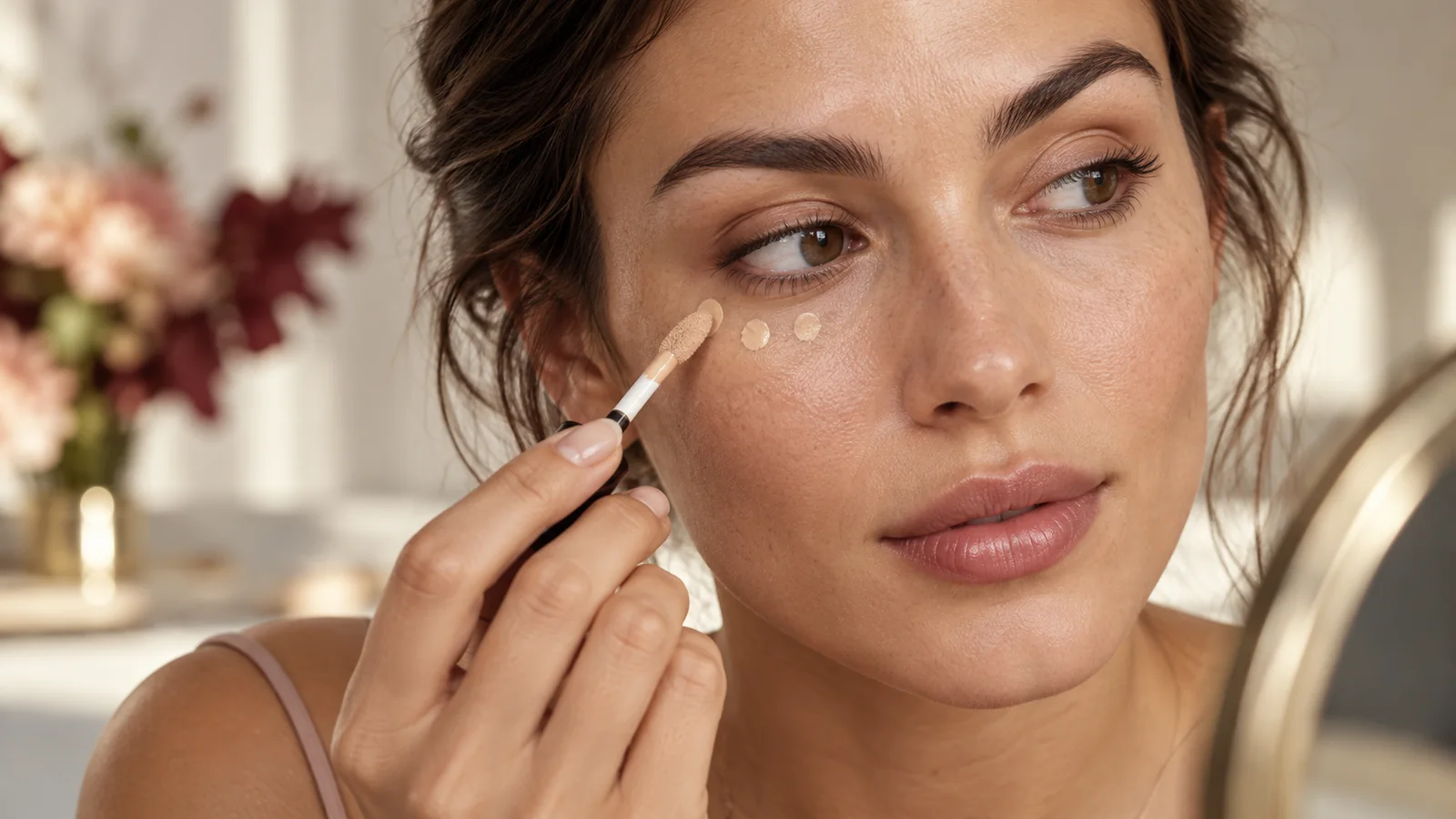
Tap concealer only over redness or discoloration that remains. Keep the edge thin and avoid building product on the highest point of a raised blemish. For under-eye placement, the same restraint used to reduce concealer creasing helps prevent visible buildup.
Set only the areas that genuinely need oil control
Use a small brush to press powder around the nose, chin or another zone that becomes shiny. Leave dry or already matte areas alone. If longevity is the main concern, compare this targeted method with the options in the setting spray and powder guide.
Choose tools by the finish they create
A damp sponge removes some excess and leaves a diffused layer. A densely packed brush provides more coverage but can deposit too much if loaded heavily. Fingers can work for small cream applications because warmth helps spread product. None is universally best; use the tool that lets you stop at the thinnest successful layer.
Texture-specific mistakes to avoid
- Scrubbing flakes immediately before makeup: friction can make skin look and feel more irritated.
- Using luminous product in every zone: reflection can draw attention to pore edges.
- Powdering a dry patch: powder absorbs surface oils and may sharpen flaking.
- Picking at a blemish: broken skin is harder to cover and should be allowed to heal.
Frequently asked questions
Can foundation erase skin texture?
No. Makeup can make tone and finish look more even, but light will still reveal natural pores, lines and raised areas.
Is matte foundation always better for visible pores?
Not necessarily. A soft natural finish with controlled shine often looks less obvious than either a very glossy or very dry matte layer.
Should I use a pore-filling primer every day?
Only if it improves the specific area and remains compatible with your base. It is an optional styling product, not a skincare treatment.
The bottom line
The most convincing base respects the surface underneath it. Prepare each zone according to its needs, apply less coverage than you think you need, and correct only what remains.