Quick answer: Use a cautious home screening process while recognizing its limits. The best approach is the one that gives you enough control to adjust the result without creating unnecessary layers or an unrealistic routine.
What to know before you begin
Beauty categories often overlap, and marketing language is not standardized. Compare format, finish, directions and practical use before treating a product name as a guarantee of performance. This guide focuses on practical decision points rather than personal testing claims. Product names, prices and ratings are intentionally omitted because formulas, availability and individual needs can change.
The phrase how to patch test skincare can describe several different goals. Before shopping, write down the finish you prefer, the time you can realistically spend and the specific problem you want the routine to solve. That short brief is more useful than collecting products that perform overlapping jobs.
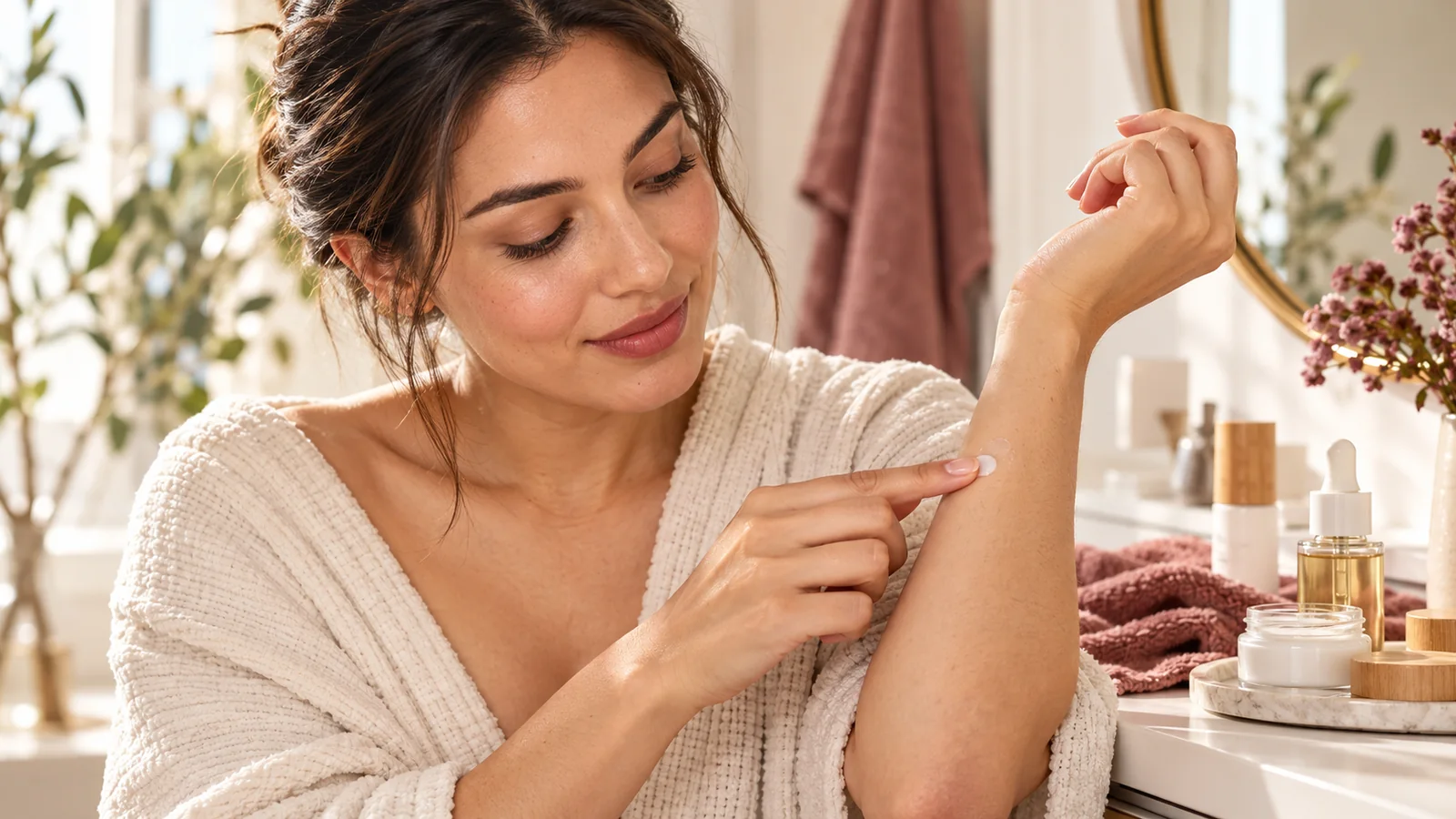
Whenever you introduce a new cosmetic or skincare product, read its directions and warnings. Patch testing can reduce uncertainty, although it cannot predict every possible reaction. Stop using a product that causes significant or persistent discomfort and seek qualified care when symptoms are severe.
A step-by-step approach
Read the ingredient list and usage warnings first
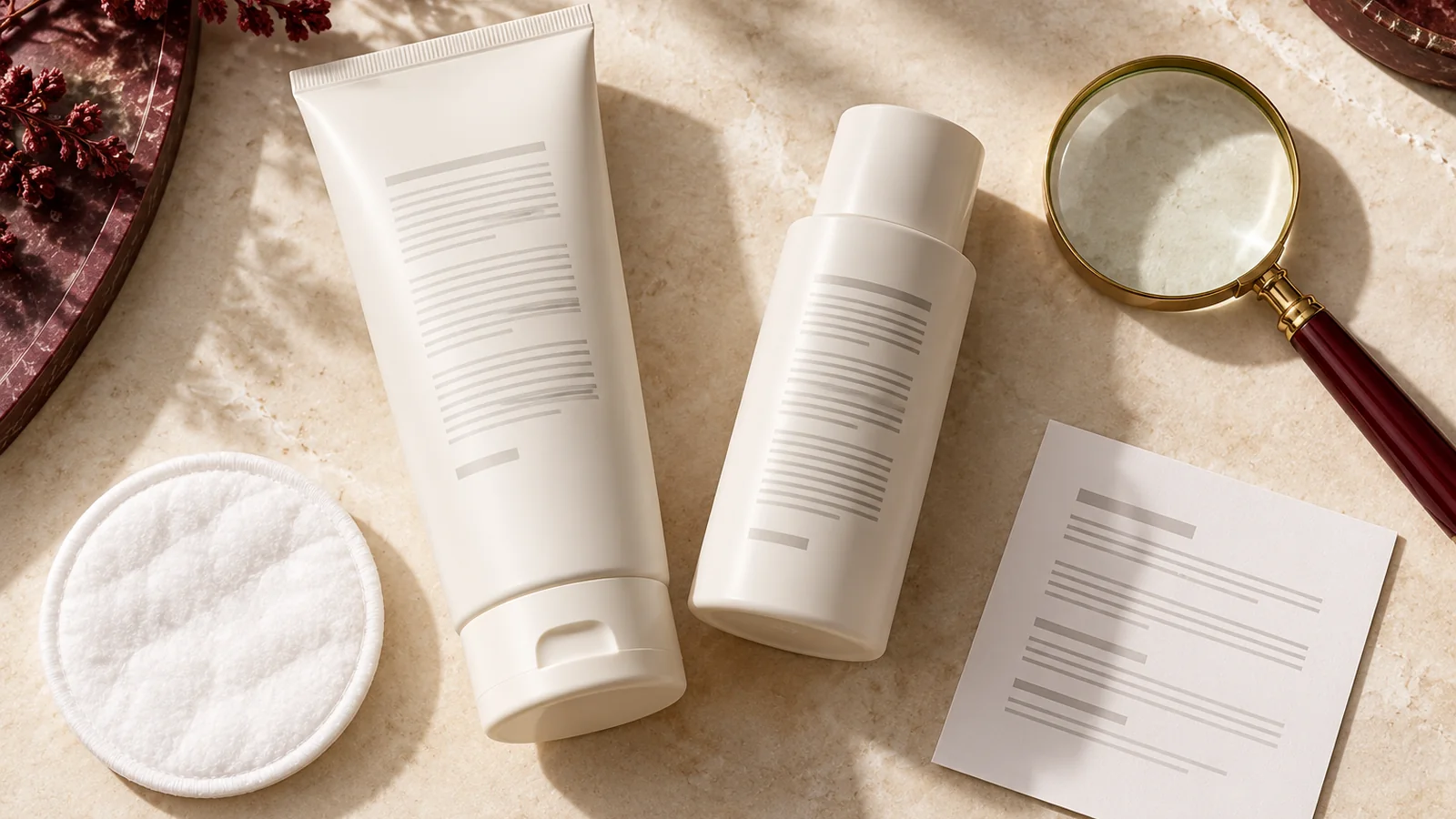
Begin by making the decision smaller. Read the ingredient list and usage warnings first. Start with the least complicated version of the technique, then assess the result before adding intensity, frequency or another layer. This keeps the process easier to troubleshoot and reduces the chance that several variables will create the same problem.
Beauty categories often overlap, and marketing language is not standardized. Compare format, finish, directions and practical use before treating a product name as a guarantee of performance. For how to patch test skincare, pay attention to placement, quantity, finish and the conditions in which the routine will be worn. A product can be well formulated and still be a poor fit for a particular preference, climate or sequence.
Make one adjustment at a time and note what changed. If the result improves, keep that part of the routine stable before experimenting again. If it becomes less comfortable or less even, return to the previous simple version instead of trying to correct it with more product.
Choose a small area that can be monitored
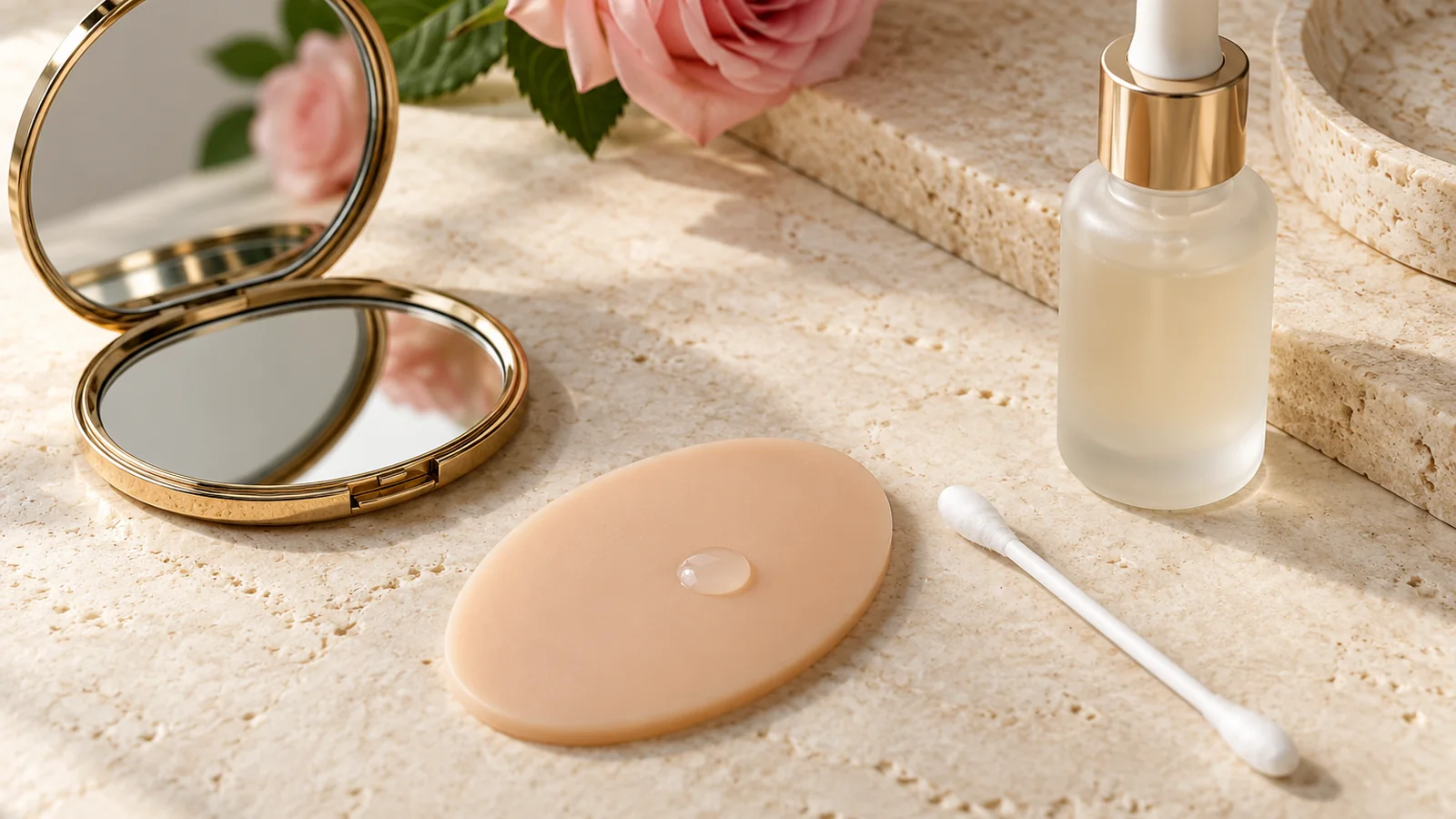
The practical detail is more important than the trend label. Choose a small area that can be monitored. Start with the least complicated version of the technique, then assess the result before adding intensity, frequency or another layer. This keeps the process easier to troubleshoot and reduces the chance that several variables will create the same problem.
Beauty categories often overlap, and marketing language is not standardized. Compare format, finish, directions and practical use before treating a product name as a guarantee of performance. For how to patch test skincare, pay attention to placement, quantity, finish and the conditions in which the routine will be worn. A product can be well formulated and still be a poor fit for a particular preference, climate or sequence.
Make one adjustment at a time and note what changed. If the result improves, keep that part of the routine stable before experimenting again. If it becomes less comfortable or less even, return to the previous simple version instead of trying to correct it with more product.
Apply the product consistently with its intended use
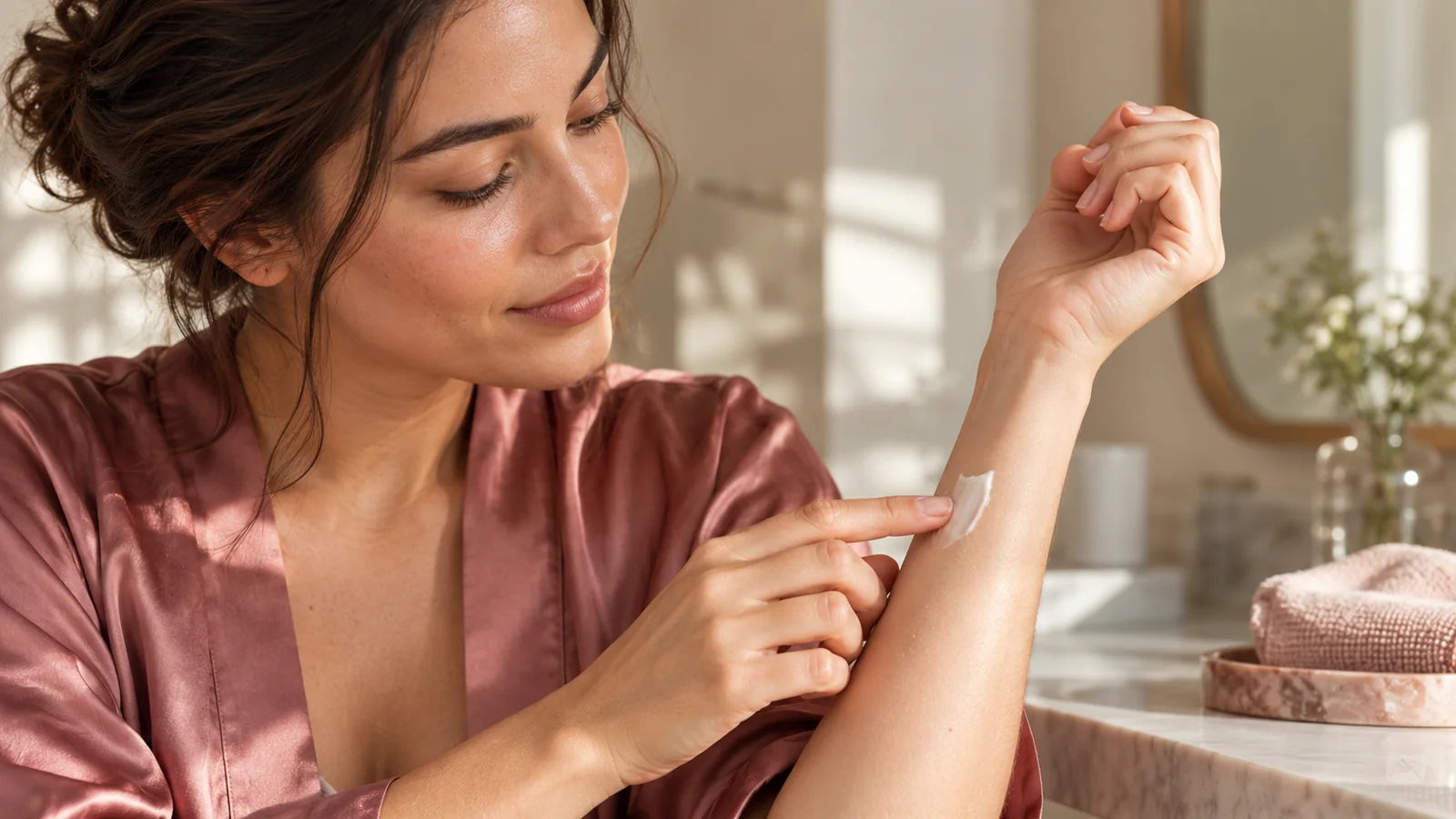
Use the result you can see and feel as feedback. Apply the product consistently with its intended use. Start with the least complicated version of the technique, then assess the result before adding intensity, frequency or another layer. This keeps the process easier to troubleshoot and reduces the chance that several variables will create the same problem.
Beauty categories often overlap, and marketing language is not standardized. Compare format, finish, directions and practical use before treating a product name as a guarantee of performance. For how to patch test skincare, pay attention to placement, quantity, finish and the conditions in which the routine will be worn. A product can be well formulated and still be a poor fit for a particular preference, climate or sequence.
Make one adjustment at a time and note what changed. If the result improves, keep that part of the routine stable before experimenting again. If it becomes less comfortable or less even, return to the previous simple version instead of trying to correct it with more product.
Observe immediate and delayed reactions
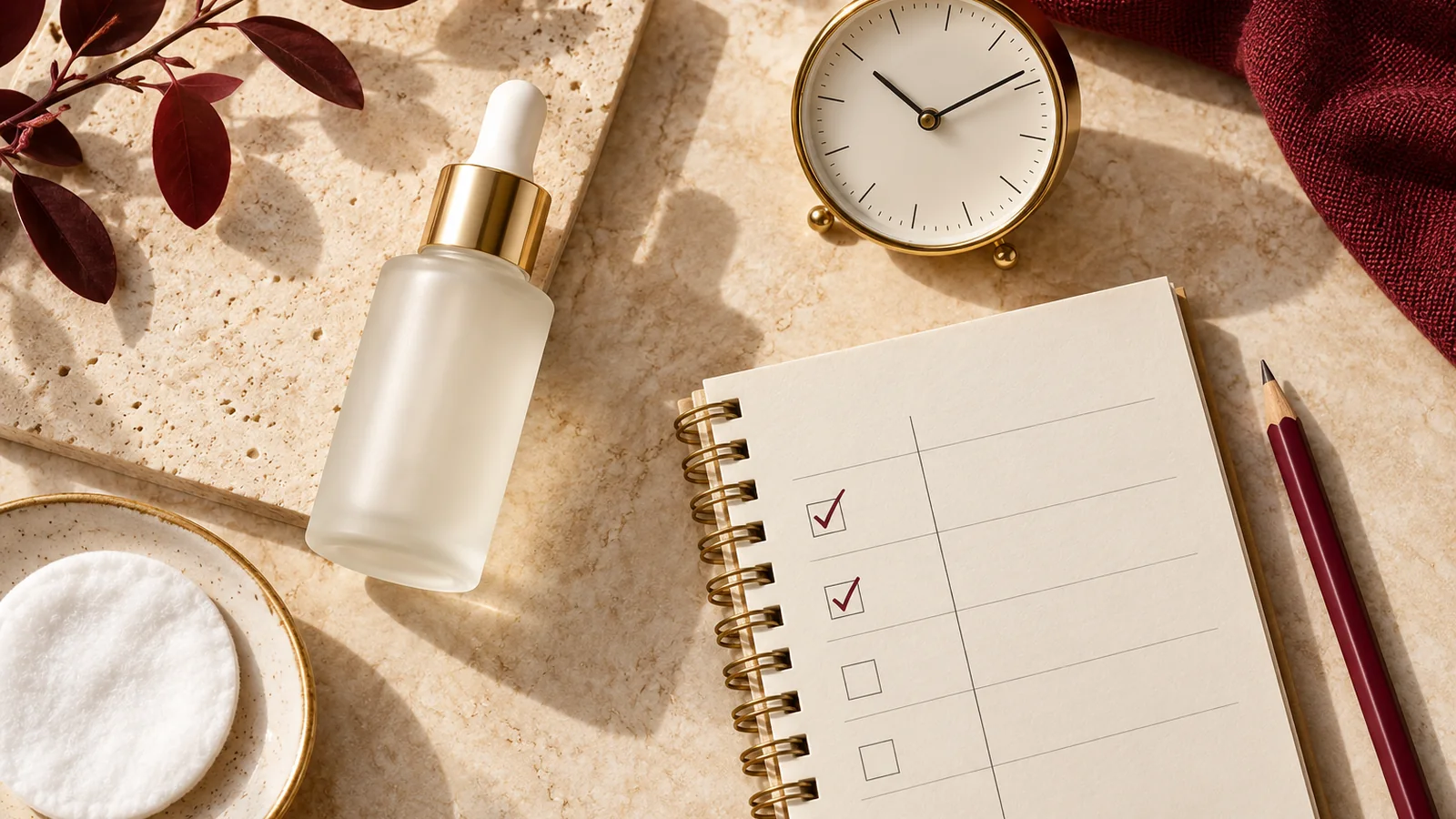
This step works best when the amount stays controlled. Observe immediate and delayed reactions. Start with the least complicated version of the technique, then assess the result before adding intensity, frequency or another layer. This keeps the process easier to troubleshoot and reduces the chance that several variables will create the same problem.
Beauty categories often overlap, and marketing language is not standardized. Compare format, finish, directions and practical use before treating a product name as a guarantee of performance. For how to patch test skincare, pay attention to placement, quantity, finish and the conditions in which the routine will be worn. A product can be well formulated and still be a poor fit for a particular preference, climate or sequence.
Make one adjustment at a time and note what changed. If the result improves, keep that part of the routine stable before experimenting again. If it becomes less comfortable or less even, return to the previous simple version instead of trying to correct it with more product.
Introduce only one new facial product at a time
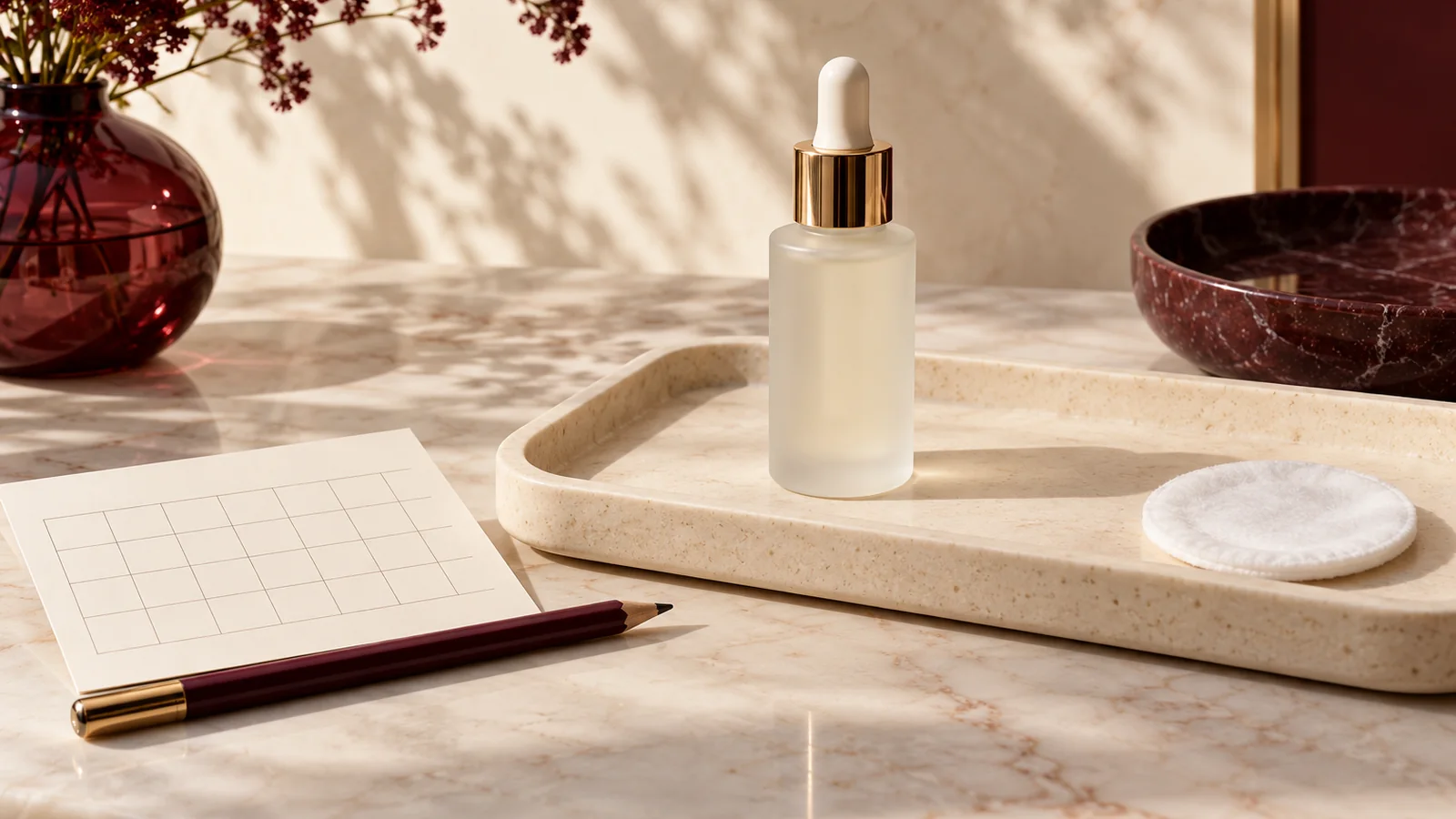
Consistency matters more than adding another product. Introduce only one new facial product at a time. Start with the least complicated version of the technique, then assess the result before adding intensity, frequency or another layer. This keeps the process easier to troubleshoot and reduces the chance that several variables will create the same problem.
Beauty categories often overlap, and marketing language is not standardized. Compare format, finish, directions and practical use before treating a product name as a guarantee of performance. For how to patch test skincare, pay attention to placement, quantity, finish and the conditions in which the routine will be worn. A product can be well formulated and still be a poor fit for a particular preference, climate or sequence.
Make one adjustment at a time and note what changed. If the result improves, keep that part of the routine stable before experimenting again. If it becomes less comfortable or less even, return to the previous simple version instead of trying to correct it with more product.
Stop use and seek medical help for significant swelling, pain or breathing symptoms
Natural light and a close mirror can reveal different information. Stop use and seek medical help for significant swelling, pain or breathing symptoms. Start with the least complicated version of the technique, then assess the result before adding intensity, frequency or another layer. This keeps the process easier to troubleshoot and reduces the chance that several variables will create the same problem.
Beauty categories often overlap, and marketing language is not standardized. Compare format, finish, directions and practical use before treating a product name as a guarantee of performance. For how to patch test skincare, pay attention to placement, quantity, finish and the conditions in which the routine will be worn. A product can be well formulated and still be a poor fit for a particular preference, climate or sequence.
Make one adjustment at a time and note what changed. If the result improves, keep that part of the routine stable before experimenting again. If it becomes less comfortable or less even, return to the previous simple version instead of trying to correct it with more product.
Product formats worth comparing
| Product type | Potentially useful when | What to check |
|---|---|---|
| Lightweight option | When you want flexibility and easier layering | Texture, finish and compatibility with the rest of the routine |
| Long-wear option | When heat, humidity or a long day affects wear | Removal method, comfort and whether extra hold is actually needed |
| Sensitive-skin option | When fragrance or multiple active ingredients are a concern | Full ingredient list, directions and a cautious patch test |
| Travel-friendly option | When portability and controlled application matter | Packaging security, size and whether the format remains hygienic |
This table is a shopping framework, not a list of endorsements. Compare the current label, directions, size and return policy before purchasing. There are no affiliate buttons in this article, and no commercial relationship is implied.
Common mistakes that make the routine harder
- Changing several variables at once. You lose the ability to identify which adjustment helped.
- Using more product to correct uneven product. Extra layers often increase texture, movement or discomfort.
- Judging only under one light. Check the finished result in indirect daylight and the lighting where it will be worn.
- Following a trend without defining the goal. A popular finish may not suit your preferred maintenance level.
- Ignoring removal. Long-wear and water-resistant formats need an appropriate, gentle removal plan.
A practical decision checklist
- Define the visible result you want in one sentence.
- Choose one product category or technique to test first.
- Use the smallest effective amount and follow the label.
- Check comfort and appearance after the routine has settled.
- Observe wear under normal conditions rather than only immediately after application.
- Keep what works stable before buying another overlapping product.
Keep notes simple: product, amount, placement, conditions and result. This turns a vague beauty problem into a process you can refine. It also makes future shopping more focused because you know which feature must improve and which parts of the routine already work.
Frequently asked questions
Do I need to buy a new product to use this method?
Not necessarily. First test the placement, amount and sequence with products you already own. A new purchase makes sense only when the current format cannot reasonably deliver the finish or function you need.
How long should I test one adjustment?
For makeup, several ordinary wear days usually reveal more than one perfect application. For skincare, follow the label and allow a cautious, consistent trial unless irritation or another concerning reaction means you should stop sooner.
Can I combine several techniques from this guide?
Yes, but introduce them in stages. Keep the first successful adjustment stable, then add the next. This preserves the ability to identify what is helping and keeps the routine from becoming unnecessarily complicated.
What should I prioritize when shopping?
Prioritize suitability, clear directions, a format you will use consistently and a return policy you understand. Packaging claims and trend language are secondary to how well the product fits the job you defined.
Final perspective
Use a cautious home screening process while recognizing its limits. Keep the routine specific, observable and easy to repeat. You do not need a crowded shelf or a dramatic before-and-after claim to make a useful improvement; measured technique and thoughtful product selection are enough.