Quick answer: Undertone is best estimated from several comparisons—neck and chest in indirect daylight, multiple foundation swatches and the way colors interact with your skin—not one vein or jewelry test.
Start with the real decision
Surface redness, tanning, acne and lighting can obscure undertone. People may be warm, cool, neutral, olive or between brand categories. The goal is a better color decision, not a permanent identity label.
A practical method
Separate surface redness or tanning from undertone
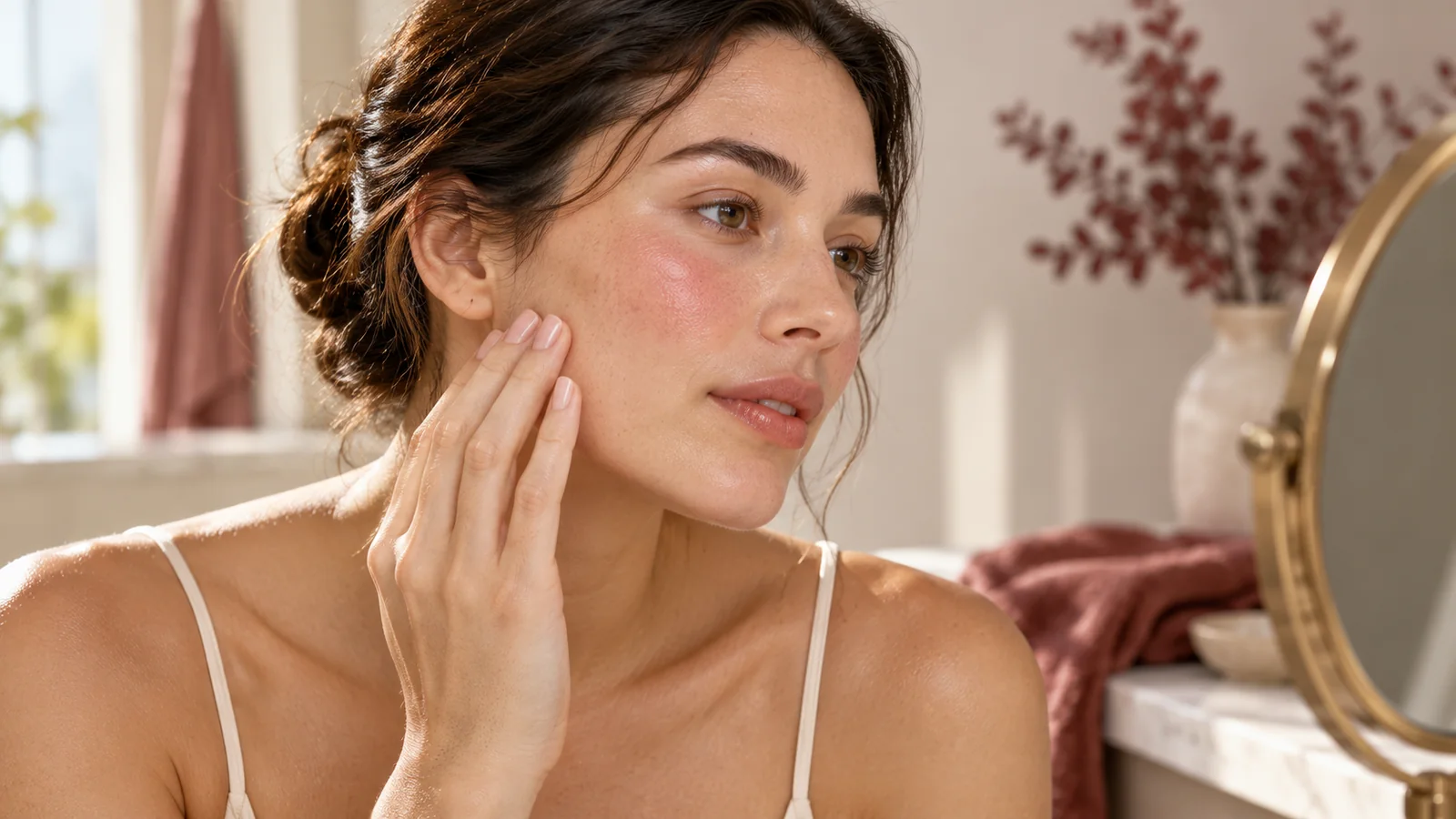
Compare areas less affected by temporary flushing, such as the side of the neck or upper chest. A red cheek can coexist with a warm, neutral or olive undertone. Reassess after a tan fades because depth changes even when underlying tendencies remain.
Compare jewelry and clothing reactions without treating them as absolute
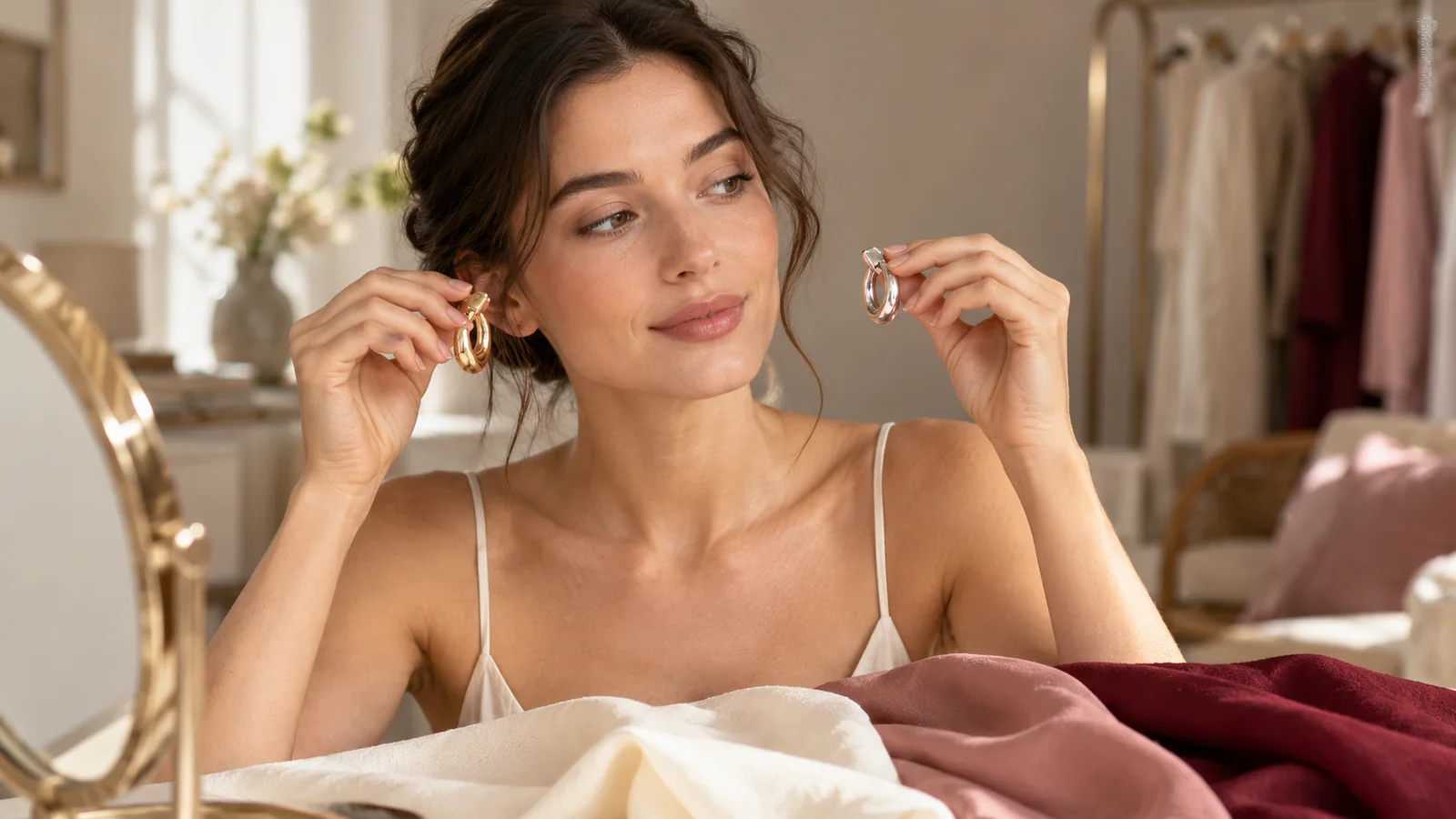
Gold versus silver or cream versus bright white can provide clues, but preference, contrast and metal finish influence the result. Record which colors make the complexion look even rather than assuming one favorable necklace proves a category.
Observe neck and chest in indirect natural light
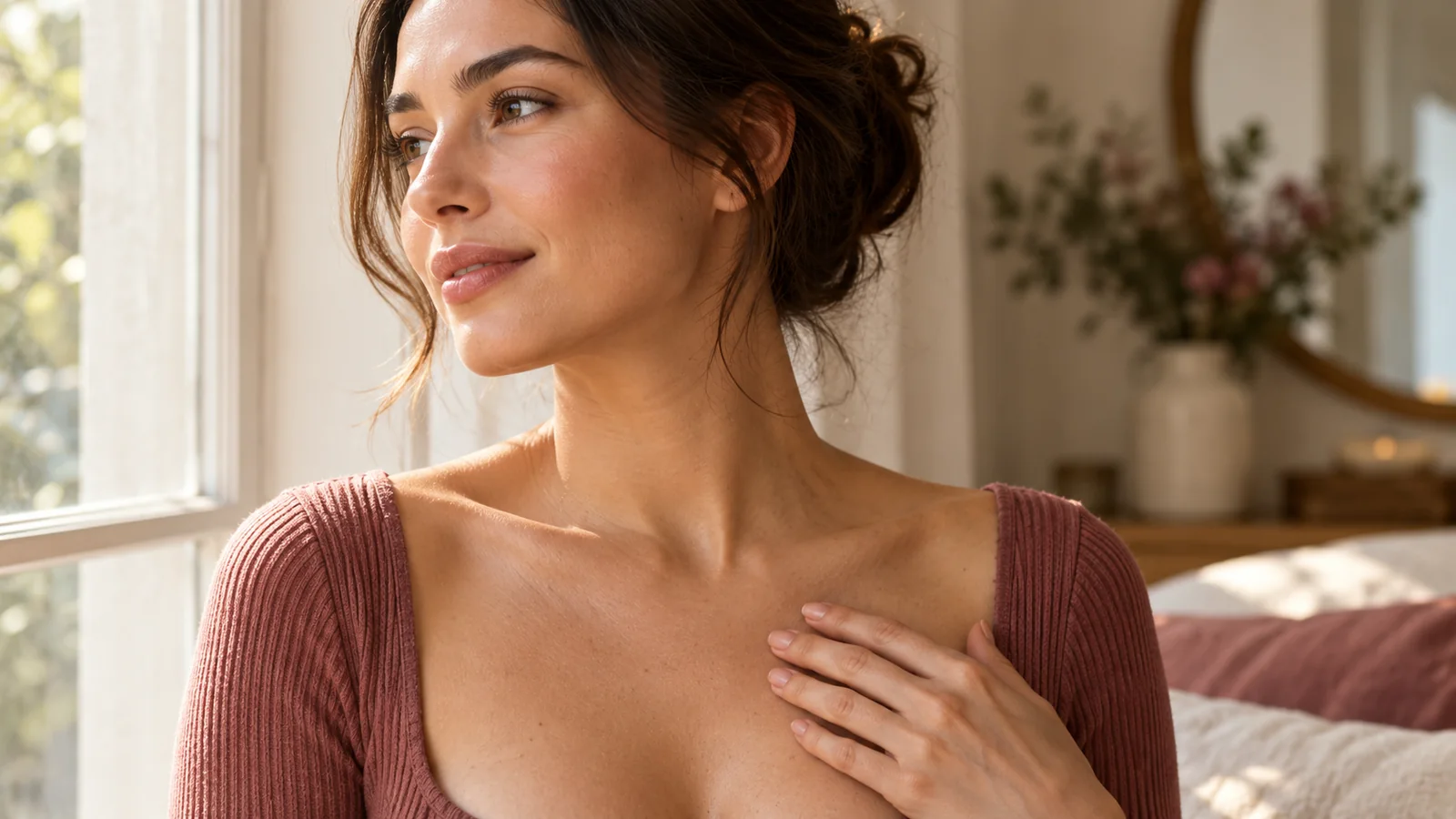
Stand near a window without direct sun and turn off strongly colored lamps. Compare face, neck and chest together. The makeup lighting guide explains why overhead or warm bulbs distort undertone judgments.
Swatch complexion products in more than one plausible undertone
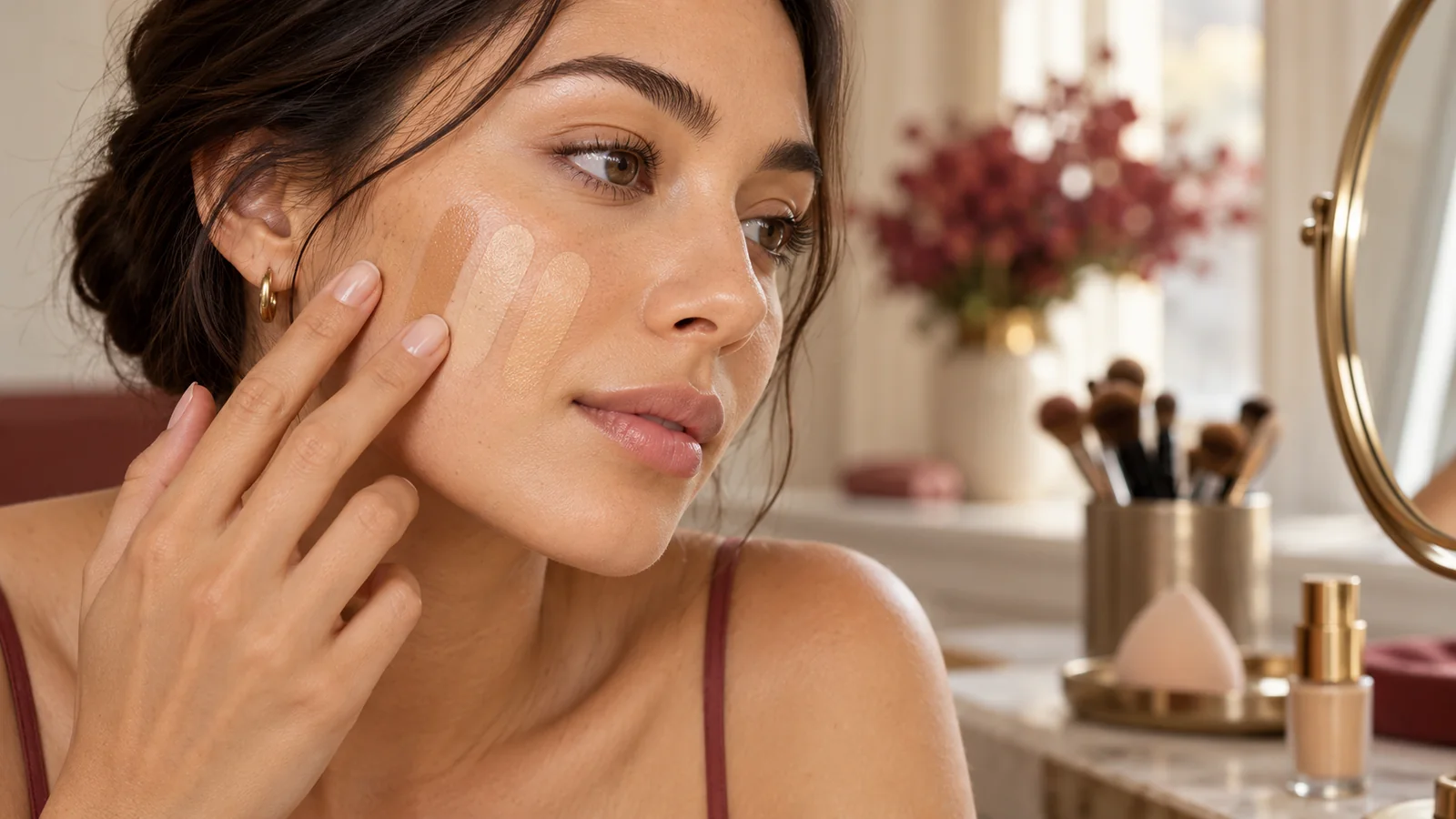
Place narrow stripes from lower cheek to jaw: perhaps neutral, warm and cool or olive. Use equal formula and depth. A swatch that disappears into the neck is more informative than one blended into a red cheek.
Let base products settle before judging the match
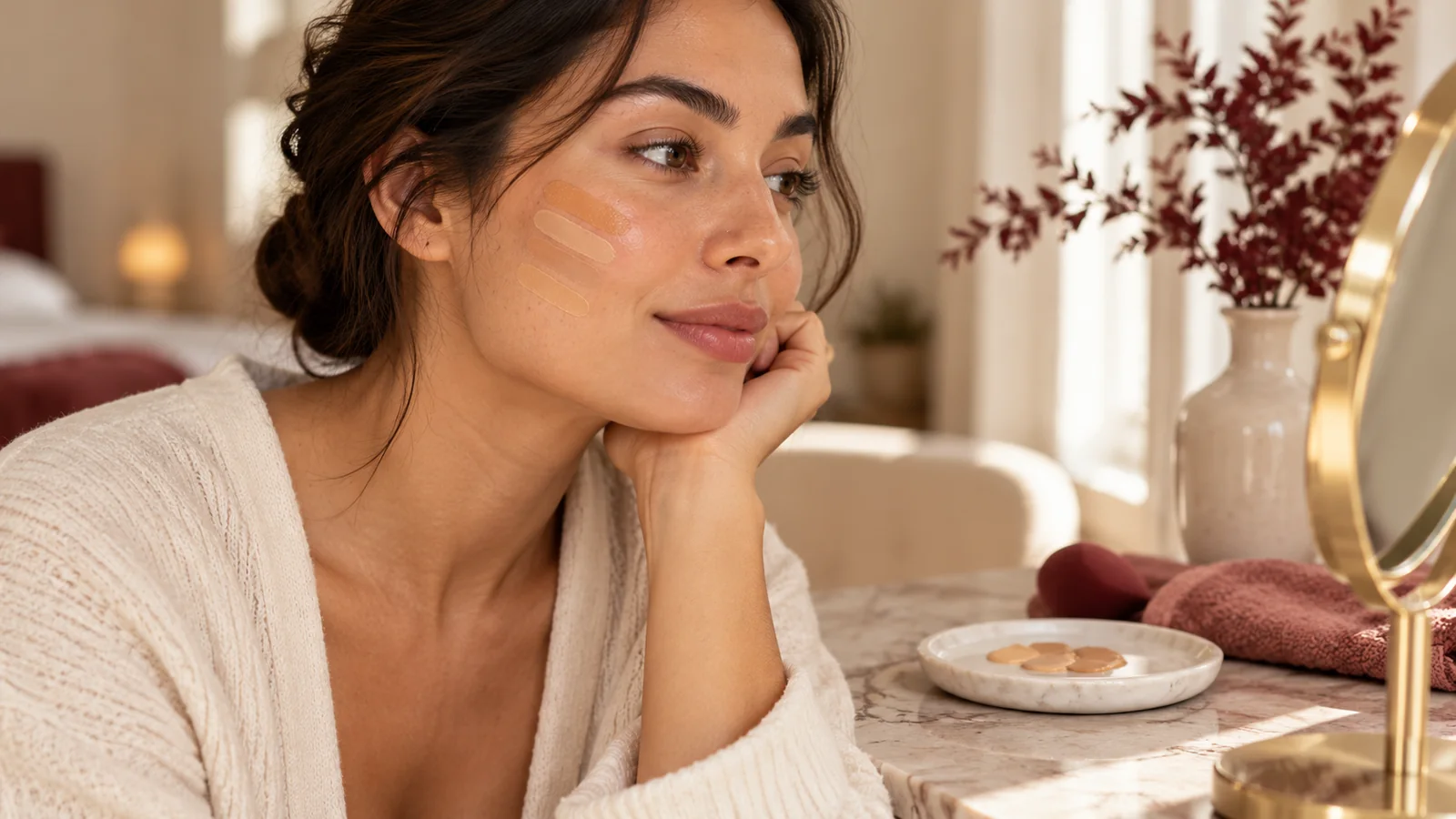
Some formulas deepen or shift slightly as they dry. Wait the brand-recommended time and review in daylight. Compare depth first, then undertone; a shade that is too dark can misleadingly appear orange.
Use the result as a flexible guide rather than a permanent label
Brands define shade names differently. You may wear neutral in one line and olive in another. Keep notes on successful shade names and visible traits rather than shopping solely by the same undertone word.
What common tests can and cannot tell you
- Veins: affected by skin depth, lighting and vein location.
- Jewelry: useful preference clue, not a diagnosis.
- White paper: may exaggerate contrast and surface redness.
- Foundation swatches: strongest evidence when formula, depth and lighting are controlled.
Undertone also helps select corrector depth, as explained in the color corrector guide.
Frequently asked questions
Can undertone change?
Core tendencies are relatively stable, but tanning, redness, lighting and depth changes alter which shade works.
What does olive undertone mean?
Olive complexions often show a green-gray quality that standard warm or cool shades may not match cleanly.
Should foundation match my face or neck?
Aim for a believable transition among face, neck and chest; exact strategy depends on discoloration and clothing exposure.
The bottom line
Use controlled swatches and multiple observations. Undertone vocabulary is only useful when it leads to a base or color that looks coherent on your actual skin.